

Oven, hob, extractor: degreasing a rental kitchen
Oven, hob, extractor, microwave, toaster: discover how to degrease each appliance, how often to clean, and which mistakes can cause lasting damage.
9 min read
The kitchen is the room that most quickly betrays a poorly maintained property, because grease is not immediately visible but never disappears on its own. An oven that smokes at the first gratin, an extractor dripping grease, a hob covered in burnt rings: these are the result of months of rushed cleans. This guide gives you the appliance-by-appliance degreasing method, and above all, the frequency each one needs attention.
What to clean, and how often
These appliances are not tackled at every changeover, which is exactly why they get forgotten.
| Appliance | Recommended frequency | Time required |
|---|---|---|
| Hob | At every clean | 3 minutes |
| Microwave | Every 4 cleans | 10 minutes |
| Oven | Every 6 cleans | 30 to 45 minutes |
| Toaster | Every 6 cleans | 5 minutes |
| Extractor | Every 8 cleans | 20 minutes |
| Pans and pots | Every 4 cleans | 10 minutes |
| Outdoor kitchen | At every clean | Depends on equipment |
The rule to remember: the hob at every clean, the rest on a counter. An oven cleaned every six changeovers remains easy to clean; the same oven left for a season takes two hours and a strong oven cleaner.
Counting by cleans rather than weeks makes sense: it is use that causes build-up, not the calendar. A property with back-to-back single-night stays in summer reaches its sixth clean in ten days; the same property in winter, in two months. The counter reflects this reality, as long as someone keeps track.
 Vacuum the floorsEvery cleaning
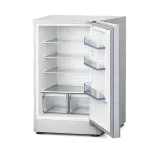 Clean the fridgeEvery 4 cleanings
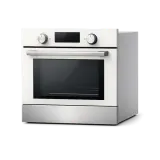 Clean the ovenEvery 4 cleanings
Every task, its own rhythm
The oven every 6 cleanings, the air vents every 3 months: each task only shows up when its turn comes.
More detailsThese frequencies are starting points. A family rental where lots of cooking happens, or that hosts mainly week-long stays, deserves an oven every four cleans; a business studio, much less. Adjust after a month of observation, not before.
Signs to bring cleaning forward
The counter does not replace observation. Four situations justify treating an appliance before its scheduled turn:
- A smell of burning or smoke when opening the oven or switching on the extractor;
- Grease droplets under the extractor or on top of wall units;
- A long family or group stay, with daily cooking;
- A message from the next guest about a smell on first use, often too late.
In these cases, the person who notices it should report it on the task rather than launching into an unplanned forty-minute degrease: the manager decides, and the clean does not overrun into the next arrival.
The hob: the move that avoids heavy-duty cleaning
The hob should be cleaned when warm, never hot or completely cold. If hot, the product evaporates before it works and may crack the glass. If cold for too long, splatters have hardened.
For a ceramic or induction hob:
- Wipe away liquid residuesWith a damp microfibre cloth.
- For a burnt mark, lay a hot damp clothOver it, leave for five minutes, then scrape with a flat-bladed scraper held almost parallel to the glass. This tool replaces all products.
- Finish with a ceramic hob cleanerAnd polish with a dry microfibre.
Never use a green scouring pad or abrasive powder: micro-scratches permanently dull the glass and trap dirt.
For a gas hob, the pan supports and burner caps should be soaked in hot water and washing-up liquid while you clean the rest of the kitchen. Dry thoroughly before reassembling, or the guest will have trouble lighting it.
The oven, without harsh chemicals
A rental oven does not need aggressive products if cleaned at the right interval. The method that works, and is odourless:
- Remove shelves and drip traySoak them in very hot water with washing-up liquid.
- Make a pasteWith bicarbonate of soda and a little water, to toothpaste consistency.
- Spread over the sides, base, and inside of the doorAvoiding the heating element and fan.
- Leave for several hoursIdeally during your clean, or overnight for a very dirty oven.
- Wipe with a damp microfibreThen use a cloth soaked in white vinegar: the reaction lifts the last residues.
- Rinse with clean waterAnd leave the door open to dry.
If the oven has a pyrolytic function, use it, but always remove the shelves first: they will dull permanently at those temperatures. And warn guests, as pyrolysis produces a strong smell and requires airing.
The inner glass is worth the effort: on most ovens, it can be removed by undoing two screws under the door, and this is the only way to remove the grease trapped between the two panes, which makes an oven look dirty even when it is clean.
The extractor: the appliance nobody dismantles
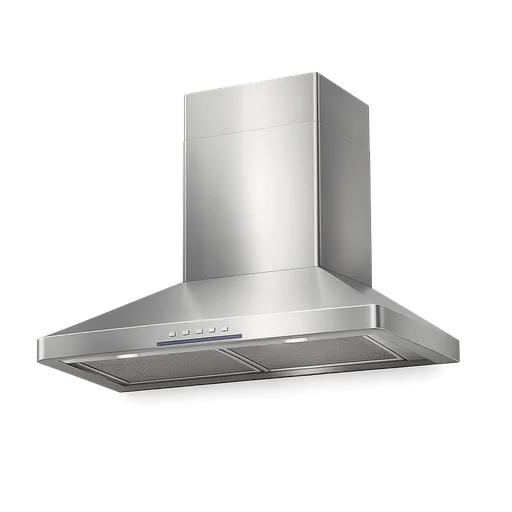
The extractor is where all the kitchen grease accumulates, and a saturated filter simply stops extracting: the grease then settles on wall units and the ceiling.
Two elements, two treatments:
- The metal filter: remove it by pressing a clip. Soak in very hot water with washing-up liquid and a spoonful of soda crystals for thirty minutes, scrub gently, rinse, and dry thoroughly. It can also go in the dishwasher on an intensive cycle, on its own.
- The charcoal filter, found in recirculating extractors without external vent: this cannot be washed, it must be replaced every six to twelve months depending on use. A washed charcoal filter is a dead filter.
The stainless steel exterior should be wiped in the direction of the grain, with a gentle degreaser, then polished dry.
The microwave: ten minutes, no scrubbing
Steam does all the work:
- A bowl of water with half a squeezed lemonOr two tablespoons of white vinegar.
- Five minutes at full powerThen five minutes with the door closed so the steam continues to work.
- Wipe with a microfibre.Baked-on splatters come off effortlessly.
Do not forget the ceiling of the cavity, where splatters hide out of sight, and the turntable, which can go in the dishwasher.
The toaster: a crumb trap
A toaster full of crumbs is a fire risk as well as unpleasant. Unplug, remove the crumb tray, empty it, then turn the toaster upside down over a bin and tap firmly. A dry, fine brush between the slots does the rest. Never use liquid inside.
Pans and pots
Cookware is rarely dirty in the strict sense: the guest has washed it. It is greasy. A sticky film under the handle, a browned base, a rim that catches on your finger: this is what the next guest finds when taking out a pan, and they assume the whole cupboard is the same. Every four cleans, take them all out and treat according to their material:
- Non-stick pans: hot water, washing-up liquid, and only the soft side of the sponge. The abrasive side and wire wool strip the coating, and a scratched pan sticks, whatever you cook. For a browned base, a paste of bicarbonate and water, left for fifteen minutes, then wiped with a soft sponge.
- Stainless steel: a soak in hot water and washing-up liquid removes most marks, bicarbonate deals with burnt-on stains. Blueish tints come off with a little white vinegar, then rinse.
- Cast iron and raw steel: no soaking or dishwasher. Hot water and a brush, dry immediately on the hob, then a thin layer of oil with kitchen paper to protect from rust.
- Handles and rivets, on all types: this is where grease collects. An old toothbrush and washing-up liquid will sort it.
Store them completely dry, lids separately or upside down: a pan put away damp will smell musty for the next stay. Take the opportunity to remove from circulation any pan with peeling coating or a loose handle, and report it so it can be replaced before the next arrival.
Degreasing kit
Everything above fits in a small box to leave in the property, or in the cleaner’s bag:
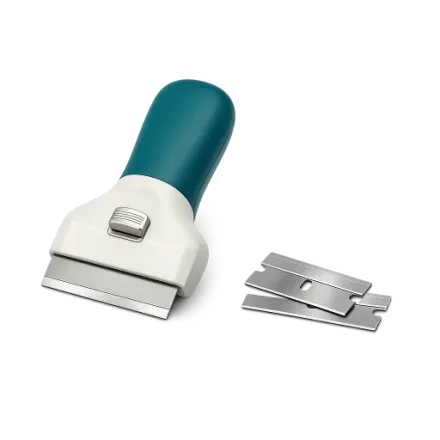
A flat-bladed scraper
For ceramic hobs, with spare blades;
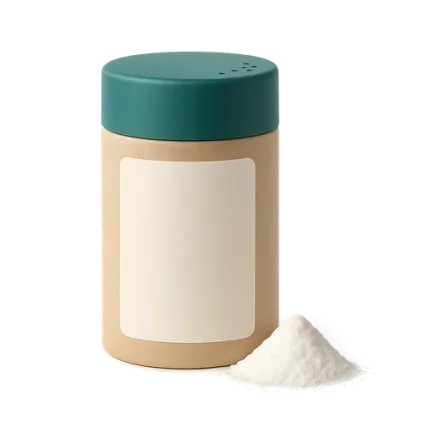
Bicarbonate of soda
And white vinegar;
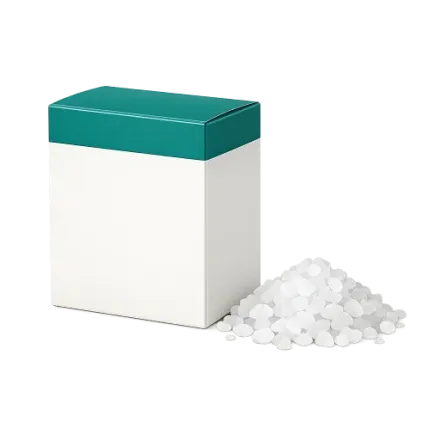
Soda crystals
For soaking filters and grates;
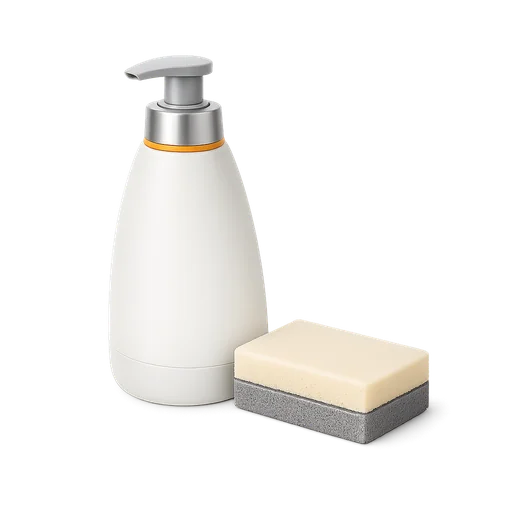
Washing-up liquid
And a soft brush;
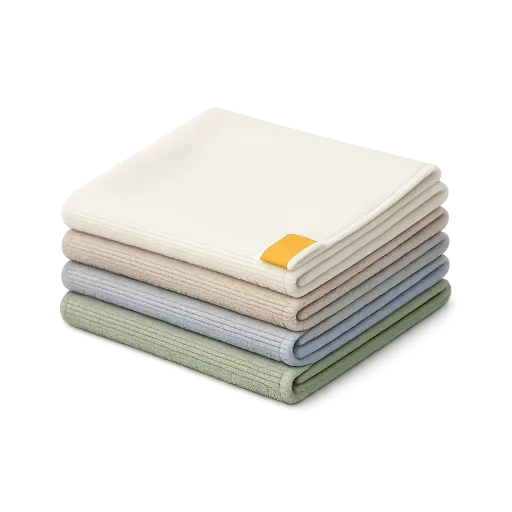
Three or four microfibres
Reserved for the kitchen;
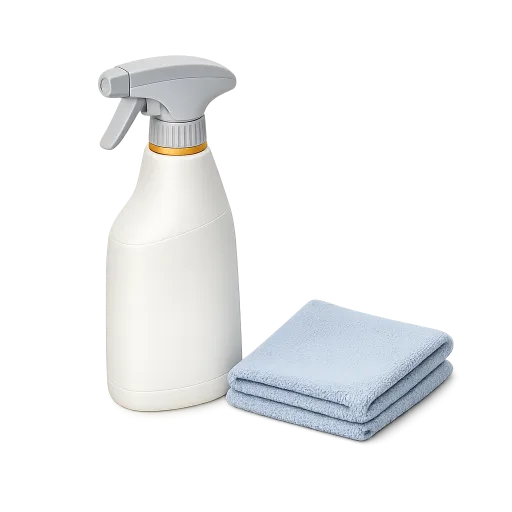
A gentle degreaser
Suitable for stainless steel.
Washing-up liquid and multi-purpose spray run out without warning: these are two consumables the checklist can keep in stock, with an alert before they run out.
Mistakes that cause lasting damage
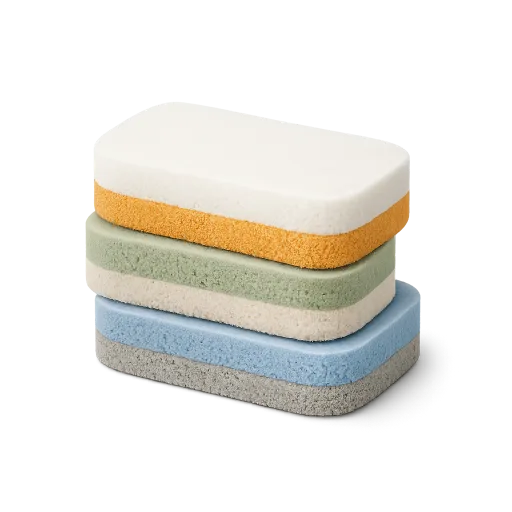
Green scouring pads or powder on ceramic hobs
Permanent micro-scratches.
Spraying product on the oven’s heating element or fan
Smoke and smell at the next preheat, for the guest.
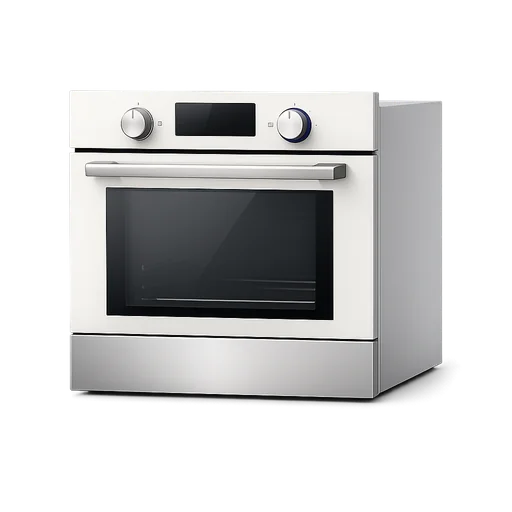
Running pyrolysis with the shelves inside
They dull and warp.
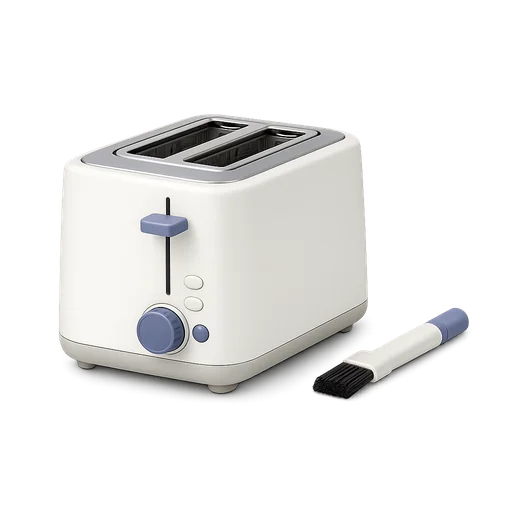
Water inside the toaster
Or on touch controls of a hob.
Bleach on stainless steel
Pitting and stains that never come off.
Leaving the oven clock flashing
After a power cut or time change. A detail, but the guest notices it on arrival. The task “Reset clocks”, which only comes up at time changes, covers oven, microwave and alarm clock; it is part of the pre-arrival checks.
Outdoor kitchen
It combines the challenges of a kitchen and the outdoors: grease plus the weather. Treat it at every clean like an indoor worktop, with extra attention to the outdoor sink, whose trap dries out between stays and lets smells back up. Pour half a litre of water down each plughole at the end of the clean to refill the trap and solve the problem. The barbecue and plancha have their own routine, detailed in Barbecue and Plancha in Holiday Lets: Cleaning and Safety. The rest of the kitchen, from fridge to sink, is covered in the fridge, dishwasher and sink guide, and the full kitchen cleaning order in Cleaning a Holiday Let Kitchen: Method Between Stays.
Your questions
How often should you clean a rental oven?
About every six cleans, which is enough to keep it easy to clean. Leave it a season without attention, and baked-on grease takes two hours and a strong oven cleaner. The hob should be done at every changeover, and the extractor every eight cleans.
How do you clean an oven without chemicals?
A paste of bicarbonate of soda and water spread over the sides, left for several hours, then wiped with a damp microfibre and followed by a cloth with white vinegar. Remove the shelves first to soak them. This method is odourless and suitable for properties with guests arriving the next day.
How do you remove a burnt mark from a ceramic hob?
Lay a hot damp cloth over the mark, leave for five minutes, then scrape with a flat-bladed scraper held almost flat against the glass. Finish with a ceramic hob cleaner. Never use an abrasive sponge: micro-scratches permanently dull the glass.
How often should you change an extractor filter?
The metal filter should be washed every eight cleans or so, by soaking or in the dishwasher on an intensive cycle. The charcoal filter in recirculating extractors cannot be washed: it must be replaced every six to twelve months. A saturated filter no longer extracts, and grease then settles on wall units.
How do you clean a microwave without scrubbing?
Heat a bowl of water with half a squeezed lemon for five minutes at full power, leave the door closed for five more minutes, then wipe with a microfibre. The steam softens baked-on splatters. Remember the ceiling of the cavity, which is invisible from the front, and put the turntable in the dishwasher.
Should you clean the toaster between guests?
Empty the crumb tray every six cleans, and more often if the property hosts families. It is not just about cleanliness: a toaster full of crumbs is a fire risk. Unplug, empty, tap over a bin, and never put liquid inside.

Written by Janik Thoisy
Janik Thoisy manages short-term rentals day to day and shares her cleaning and organisation methods here.
Published on August 13, 2026 · Updated on November 8, 2026
Read next
 Airbnb Cleaning Checklist: Room-by-Room List for HostsAirbnb cleaning checklist for every turnover: room-by-room list, cleaning order, a one-page version, Airbnb's 5 steps and the 10 spots everyone forgets.Cleaning tips
 Clean an Airbnb in 1 Hour: The Minute-by-Minute MethodClean an Airbnb in 1 hour: room order, timing by area, equipment kit, and the pitfalls that make the clock run over between guests.Cleaning tips
 Airbnb Cleaning Supplies: 15 Essentials for Your KitAirbnb cleaning supplies: the 15 essential products for a short-term rental, their uses, annual budget, reserve to keep and stock tracking.
One property free to put all of this in place, for as long as it takes.