

Cleaning a Holiday Let Kitchen: Method Between Stays
Learn how to clean a rental kitchen between stays, covering order of tasks, oven, fridge, microwave, dishes, deep cleaning and realistic timing.
11 min read
A hair in a glass, greasy hob, or a strange smell when opening the fridge: just one of these details can turn a five-star stay into a lukewarm review. The kitchen is where guests handle the most items, so it is also where they spot a rushed clean the fastest. With check-out at 11am and check-in at 3pm, time is tight. Here is the complete method for a spotless kitchen between stays, without spending all afternoon, and how to spread out deep-cleaning jobs so they never fall on a busy changeover day.
Why the kitchen is the most scrutinised room by guests
Unlike a hotel room, a short-term rental comes with a kitchen, and guests use it as their own: cupboards are opened, dishes taken out, fridge inspected before putting away groceries.
The numbers speak for themselves: 78% of guests cite impeccable cleanliness as the number one sign of quality (Vrbo / Businesswire), and 33% of guests report a lack of cleanliness in short-term rentals (ConsumerAffairs). On the other hand, the effort pays off: listings rated five stars for cleanliness are booked around 25% more often (Smoobu).
The half-hour spent on the kitchen is therefore a direct investment in your rating and booking rate. To see how these details turn into negative reviews, see Airbnb Cleaning: 10 Mistakes That Lead to Bad Reviews.
Before you start: the order that saves time
A kitchen should be cleaned in a specific order: stick to it and you avoid repeating tasks, ignore it and you lose 15 to 20 minutes per changeover.
- Start long cycles first.As soon as you enter: empty the dishwasher, reload it with dirty dishes from the stay, start the cycle. The machine works while you clean the rest.
- Apply products that need time to work.Degreaser on hobs and splashback, oven cleaner on the sides: let them work while you tackle the fridge.
- Clean from top to bottom.Extractor hood and tops of cupboards, then splashback and worktop, then fronts and appliances, and finally the floor, always last.
- Finish with touch points.Cupboard, fridge, and oven handles, knobs, switches: these are the most-touched surfaces and should always be disinfected, a key part of the 5-step enhanced cleaning protocol promoted by Airbnb, detailed on the Airbnb Help Centre.
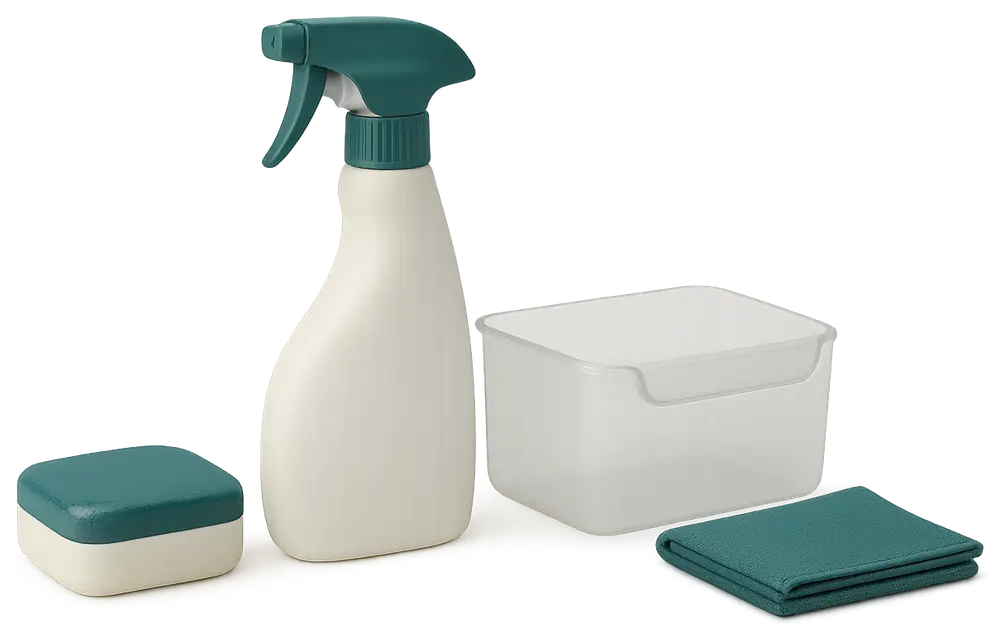
For equipment, a caddy dedicated to the kitchen is enough: degreaser, cream cleaner, white vinegar, microfibres (different colour code from the bathroom), scraper and gloves. Warning: never mix bleach with acidic or ammonia-based products, as the fumes are toxic, as the ANSES reminds us regarding household and biocidal products.
Appliances: oven, microwave and hobs, the risky trio
This is where the difference between an adequate and a professional clean is made. If a guest opens a greasy oven, they immediately assume “the rest must be the same”. Products, timings and techniques for each appliance are detailed in our guide to degreasing oven, hob and extractor hood.
The microwave: 3 minutes, no excuses
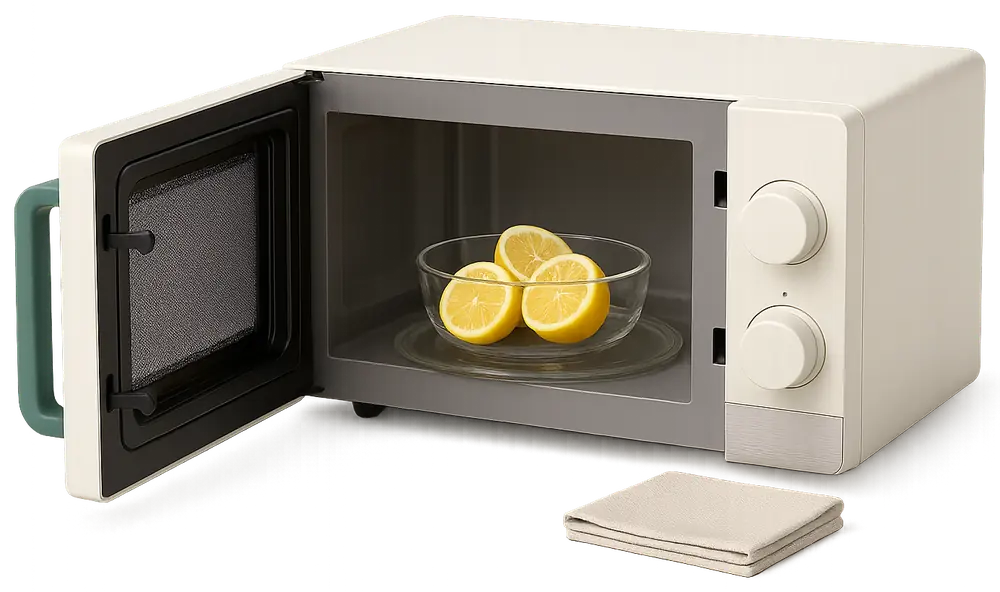
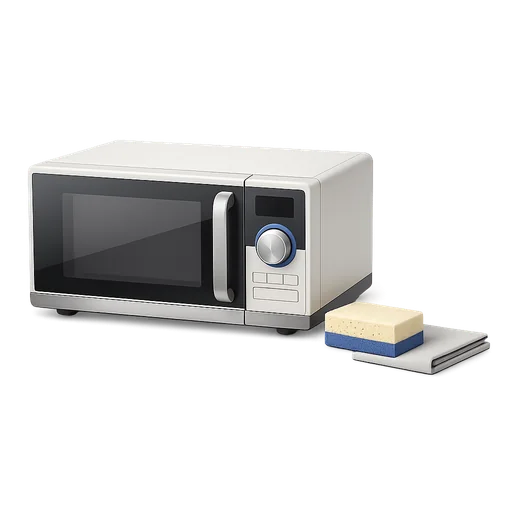
Check at every changeover, no exceptions. Heat a bowl of water with lemon or vinegar for 2 to 3 minutes: the steam loosens splatters. Wipe the sides, ceiling (often missed), turntable (wash under the tap) and door seal. Finish with the exterior and keypad.
The oven and hobs
A systematic visual check at every departure (racks, tray, inner glass), and a deep clean whenever the oven has been used. For ceramic or induction hobs: use a special glass scraper and dedicated cream; for gas, soak the pan supports in the sink at the start of the clean. The oven glass can be restored with a paste of bicarbonate left to work.
The extractor hood, the giveaway detail
Greasy filter and sticky surface: the extractor hood is rarely cleaned, but often noticed. Degrease the surface at every changeover and run the metal filters through the dishwasher once or twice a month.
Coffee corner and small appliances
Kettle, coffee maker, pod machine, toaster: these are often the first appliances a guest uses, sometimes as soon as they arrive. At every clean: empty the pod tray, rinse the water tank, wash the jug, empty the toaster crumb tray, check inside the kettle. Descaling is less frequent: step-by-step guides for each machine are in our guide to descaling kettles and coffee machines, and the full appliance schedule is in Descaling Appliances in a Rental: The Right Schedule.
The fridge: empty, sort, neutralise odours
Opening the fridge on arrival is almost universal, and a bad smell at that moment is nearly impossible to recover from.
The procedure between stays:
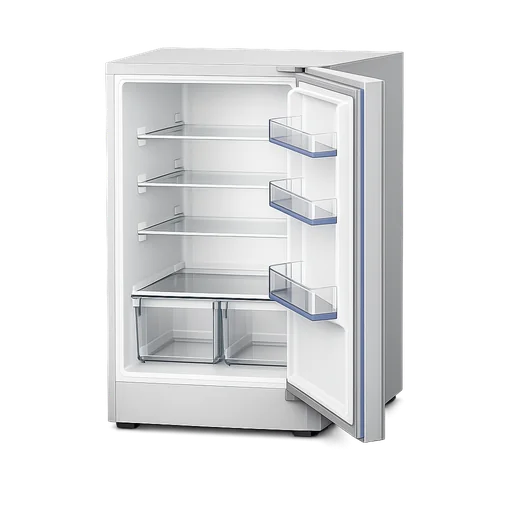
Remove all perishable food
Left by guests: anything opened or perishable goes in the bin, only your own welcome items remain (new condiments, bottle of water).
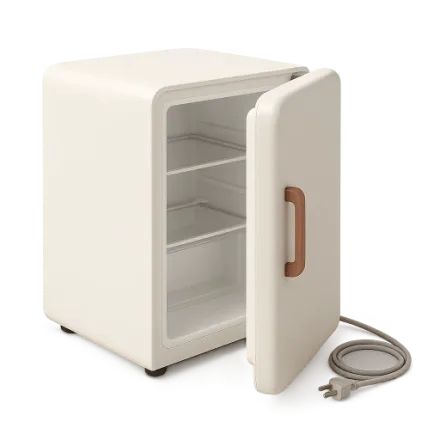
Wipe shelves, drawers and door compartments
With vinegar water, taking out the vegetable drawers where liquids and crumbs collect.
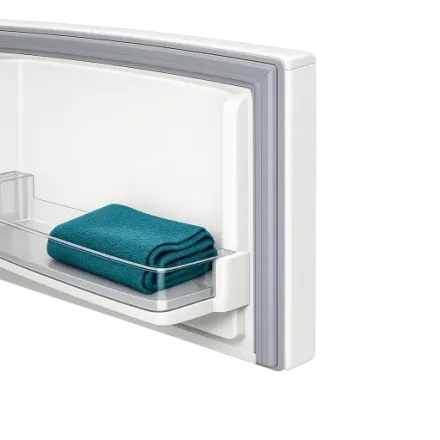
Check the door seal
A hotspot for mould, with a soft brush or vinegar cloth.
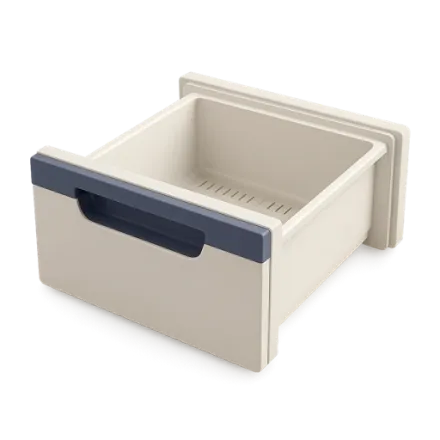
Check the freezer
A clean ice tray is a nice touch; leftover frozen food from the previous guest is a mistake.
Neutralise odours
Leave the door ajar during cleaning, place a dish of bicarbonate if the property will be empty for several days.
A full fridge clean takes 5 to 8 minutes if done at every changeover, and 30 minutes if neglected for a month. Fridge, dishwasher and sink each have their own hidden odour source (defrost tray, filter, trap): the full routine is in our article on odour prevention and maintenance.
Dishes, cupboards and utensils: the check everyone skips
A short-term rental quirk: “clean” dishes are not always clean, as many guests hand-wash them quickly and poorly before leaving. If your team only checks that the sink is empty, the next guest will find a glass with limescale or a greasy pan, and 95% of guests mention cleanliness in their review.
The effective protocol:

Visually check all dishes used
During the stay: hold glasses up to the light, check inside pans, knife blades.
Run anything doubtful through the dishwasher
This is the point of starting the cycle at the beginning of the clean.
Open every cupboard
You often find dirty dishes put away, crumbs or leftover pasta from the previous stay.
Check the inventory
Broken glasses, missing corkscrew, stained chopping board, report immediately so replacements can be made before the next arrival.
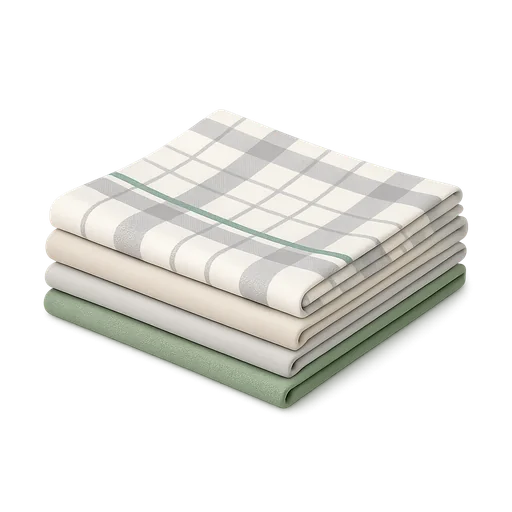
Change tea towels and sponges at every changeover.
A used sponge is a breeding ground for germs; count them as consumables, like toilet paper.
Washing-up liquid, dishwasher tablets, bin bags, coffee, salt and pepper: the list of what a holiday let kitchen should contain on arrival, with quantities, is in our kitchen consumables checklist.
Sink, worktop, floor: the finishing touches that say “clean”
These surfaces are where guests form their first impression the moment they walk in.
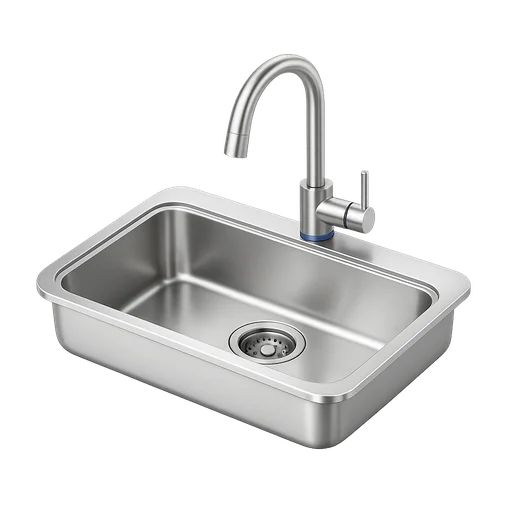
The sink
Cream cleaner or vinegar, rinse, then dry with a cloth. Stainless steel dried with a cloth shines; air-dried, it leaves limescale marks.
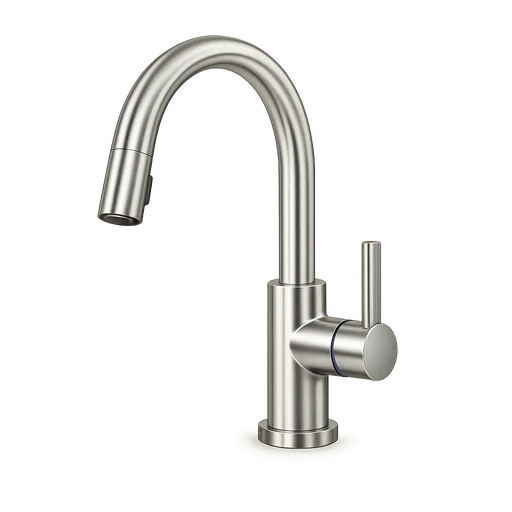
Taps
Descale with vinegar if needed, polish with a microfibre. A shiny tap “sells” the cleanliness of the whole room.
Worktop and splashback
Degrease, lifting everything (kettle, coffee maker, utensil pot). Rings hidden underneath are a classic cause of bad reviews.
The bin
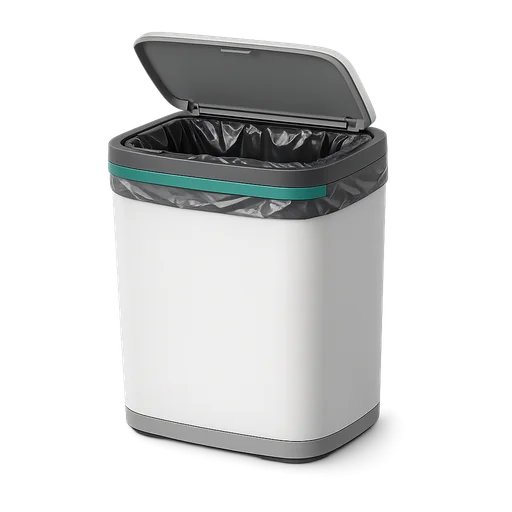
Empty, wash the bin itself if dirty, put in a new bag and two spare bags at the bottom.
The floor, last
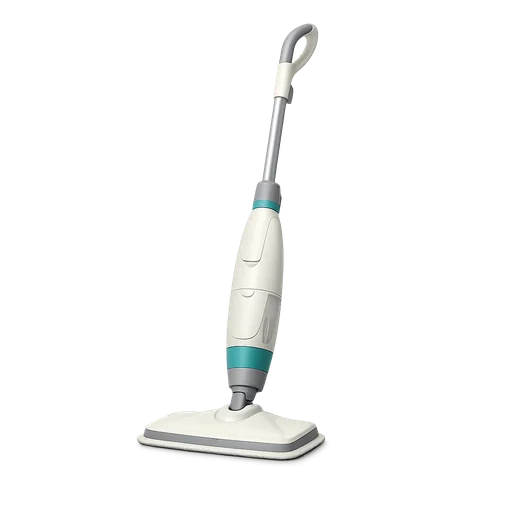
Vacuum, paying attention under units and along skirting boards, then mop, working backwards towards the door.
Want to use eco-friendly products (vinegar, bicarbonate, black soap, ecolabels)? The kitchen is the ideal place to start: according to ADEME guidelines for sustainable cleaning, these cover most routine needs, often for less money.
The 7 classic pitfalls that cost you stars
Even a diligent team falls into these recurring traps. Make sure they are black-and-white on your checklist:
Inside the microwave
Checked by guests, forgotten by rushed teams.
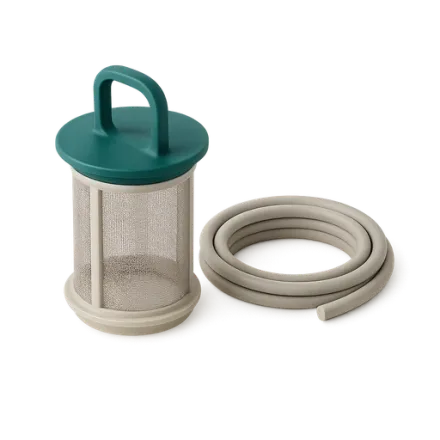
Dishwasher seal and filter
A source of odour that contaminates “clean” dishes.
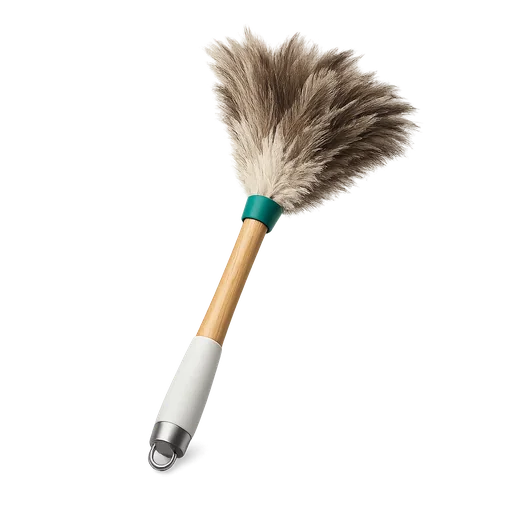
Top of the fridge and high cupboards
Grease and dust, visible to anyone over 1.80m.
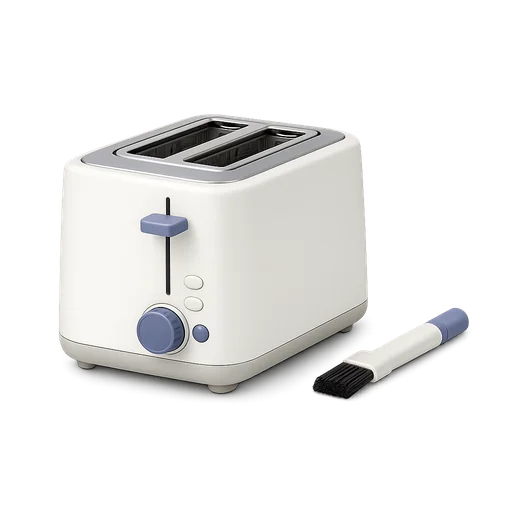
Toaster and crumb tray
30 seconds, never done.
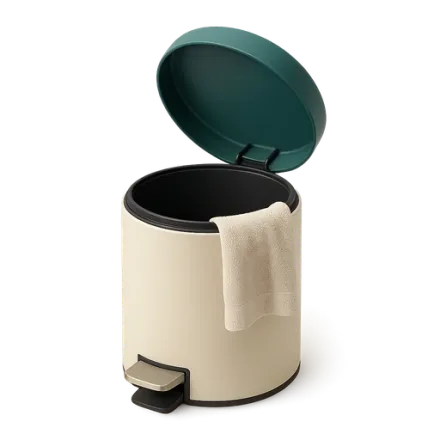
Inside the bin
A new bag is not enough if the bin is dirty.
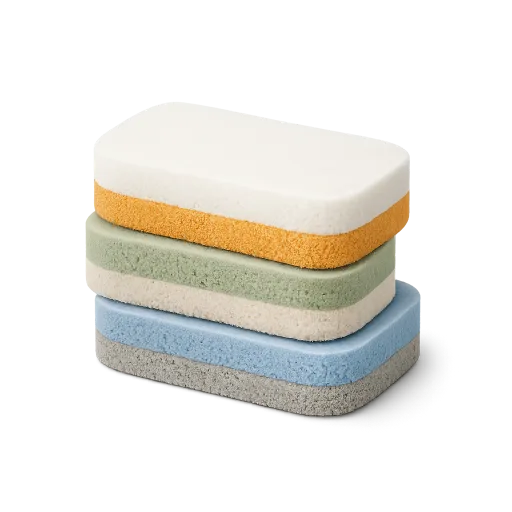
Tea towels and sponges not replaced
A matter of hygiene and image.
Food residue in cupboards
Spilled salt, open packets, half-used tins.
Add to these the pitfalls unique to each kitchen: induction hob scratched by abrasive cream, wooden worktop damaged by standing water, oven with a removable glass door. These instructions cannot be memorised: they must be visible at the moment the cleaner does the task. In CleanClac, you write your instruction under the relevant task (“induction hob: glass scraper only”), and the cleaner sees it under the title, in their language.
 Air the room
 Vacuum the floors
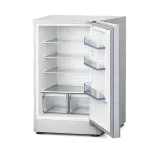 Clean the fridge
 Clean the shower screen
 Clean the mirrors
Your notes, under each task
Rewrite the library tip with what you know about the property: your cleaner reads it right under the title.
More detailsThe most reliable way to avoid missing anything is a formal checklist with photos of sensitive points (oven open, fridge open, sink): remote quality control and timestamped proof in case of dispute. For a full property template, see Airbnb Cleaning Checklist: Room-by-Room List for Hosts.
How much time should you allow for the kitchen?
A useful guide for your schedules: a full clean of a one-bedroom flat of around 50m² takes on average 60 minutes, and the kitchen usually takes 15 to 25 minutes, about a third of the time.
| Configuration | Estimated kitchen time |
|---|---|
| Studio kitchenette | 10 to 15 min |
| Open-plan kitchen in 1-2 bed flat | 15 to 25 min |
| Large family house kitchen | 25 to 40 min |
Add 10 to 20 minutes after a long stay, a stay with children, or heavy use. Adjust the planned duration of each clean according to the previous stay.
Deep-clean jobs: a schedule, not improvisation
These timings only work if deep-cleaning jobs are taken out of the changeover. Plan them on their own schedule, rather than improvising between check-ins:
| Deep-clean job | Suggested frequency in a holiday let |
|---|---|
| Deep clean inside oven | Every 4 to 6 cleans, or whenever used |
| Extractor hood filters | 1 to 2 times per month |
| Full fridge, seal, defrost tray | Monthly |
| Freezer (defrost) | Every 3 months |
| Dishwasher filter, empty cycle | Monthly |
| Descale kettle and coffee maker | Every 5 to 10 stays in hard water areas |
| Inside cupboards | Monthly |
The trap is well known: a monthly job marked “when you think of it” is never done. In CleanClac, each job can have its own recurrence (every N cleans, every month, every three months), and only appears in the cleaner’s list when it is due. You choose them from a library of over 250 illustrated tasks, from oven to freezer.
Vacuum the floorsEvery cleaningClean the fridgeEvery 4 cleanings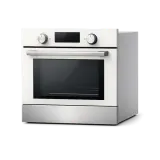 Clean the ovenEvery 4 cleanings
Every task, its own rhythm
The oven every 6 cleanings, the air vents every 3 months: each task only shows up when its turn comes.
More detailsIn summary
A spotless kitchen between stays rests on three pillars: an optimised cleaning order (machines first, floor last), a systematic check of the points guests notice (microwave, fridge, dishes) and a formalised checklist, with deep-clean jobs scheduled, so nothing is missed no matter who is cleaning.
Your questions
Should you clean the oven after every guest?
A visual inspection is essential at every changeover: open the oven, check racks, sides and glass. A full clean is only needed if it has been used. In addition, plan a deep clean or pyrolysis about once a month in high season, outside of tight changeovers.
What should you do with food left by guests?
Throw away all perishable and opened items, no exceptions: you do not know when they were opened or how they were stored. Only keep welcome items you provide yourself (coffee, tea, new condiments). This rule protects the hygiene of the property and avoids any confusion for your team.
How do you remove bad smells from a holiday let kitchen?
Treat the cause, not just the symptom: wash the bin (not just change the bag), rinse the trap with boiling water and bicarbonate, wipe the fridge with vinegar, degrease extractor hood filters, replace tea towels. Air the property throughout the clean; a dish of bicarbonate in the fridge absorbs lingering odours.
Should you wash dishes already “clean” in the cupboards?
Not always, but check them at every changeover: guests often hand-wash dishes quickly before check-out. Check glasses in the light, pans and cutlery, and run anything doubtful through the dishwasher. A full cupboard check is needed at least once a month.
What consumables should you leave in a holiday let kitchen?
The minimum expected: washing-up liquid, new sponge, dishwasher tablets, bin bags, kitchen roll, salt, pepper and oil. Coffee, tea and sugar are much appreciated for the first morning. Adjust quantities to the number of guests and length of stay, and avoid opened products: a nearly empty bottle gives an impression of neglect.
How often should you clean extractor hood filters?
Degrease the exterior at every changeover, and run the metal filters through the dishwasher once or twice a month depending on usage. A grease-saturated filter gives off a lingering fried smell and loses effectiveness: plan this as a regular monthly job, not ad hoc.

Written by Janik Thoisy
Janik Thoisy manages short-term rentals day to day and shares her cleaning and organisation methods here.
Published on August 7, 2026 · Updated on November 2, 2026
Read next
Airbnb Cleaning Checklist: Room-by-Room List for HostsAirbnb cleaning checklist for every turnover: room-by-room list, cleaning order, a one-page version, Airbnb's 5 steps and the 10 spots everyone forgets.Cleaning tips Clean an Airbnb in 1 Hour: The Minute-by-Minute MethodClean an Airbnb in 1 hour: room order, timing by area, equipment kit, and the pitfalls that make the clock run over between guests.Cleaning tips
 Airbnb Cleaning Supplies: 15 Essentials for Your KitAirbnb cleaning supplies: the 15 essential products for a short-term rental, their uses, annual budget, reserve to keep and stock tracking.
One property free to put all of this in place, for as long as it takes.