Wifi, hot water, batteries: pre-arrival checks
Wifi, hot water, batteries, key box, clocks, detectors: technical checks to carry out during cleaning to avoid first-night messages.
10 min read
Most messages a host receives on the first night concern just three things: the wifi not working, the water staying cold, and a device with dead batteries. These three problems have one thing in common: all could have been detected during cleaning, in under five minutes, by someone already on site. This guide lists the technical checks worth doing, and how to do them quickly.
What to check, and when
| Check | Frequency | Time |
|---|---|---|
| Check the wifi | At every clean | 1 minute |
| Check the hot water | At every clean | 1 minute |
| Check the batteries | At every clean | 2 minutes |
| Recharge batteries | At every clean | During cleaning |
| Reset clocks | At clock changes | 1 minute |
| Test the smoke detector | Every month | 10 seconds |
| Check the fire extinguisher | Every 3 months | 30 seconds |
| Check for leaks | At every clean | 2 minutes |
| Check the key box | At every clean | 1 minute |
| Return keys to the box | At every clean | 1 minute |
| Check padlocks | At every clean | 1 minute |
Each of these lines is a CleanClac library task, with its own advice and default frequency, which each manager adjusts to their property.
Wifi: really test it, don't just look at the router
A router with green lights proves nothing: the network may be up but the internet connection down, or the password changed after a technician visit.
The test that matters, in one minute: connect your phone to the property’s wifi, turn off mobile data, and open a web page. This is the only protocol that replicates what the guest will do.
Three tips:
- Test from the furthest room, not next to the router. Wifi that doesn’t reach the back bedroom is, from the guest’s point of view, wifi that doesn’t work.
- Check that the network name and password displayed in the property are still correct. After a router swap, they often aren’t, and nobody thinks to update the little card.
- Restart the router if the speed is abnormal, at the start of cleaning: it will have finished rebooting before you leave.
Display the login details clearly, in a fixed place, and offer a QR code for connection: a good share of first-night questions will disappear. The “Check the wifi” task says it in one line: test the connection, leave the code in plain sight.
Hot water
The test: open the hot water tap in the kitchen and every bathroom, let it run for thirty seconds. You check three things at once: hot water production, pressure, and the absence of air in the pipes that can make the tap spit.
Two extra habits for a rarely used property:
- Run all water points, including those never used. This refills the traps and prevents smells, but also improves water quality by flushing stagnant water from dead ends in the system.
- Check the hot water tank’s set temperature if you have access. Too low a setting encourages bacteria, too high risks scalding and faster limescale build-up.
Leaks: look where no one else does
A slow leak is rarely visible: it’s discovered after water damage, in the flat below, or in a swollen cupboard under the sink. The check takes two minutes, at every clean, using eyes and hands:
- Under the sink and basin: open the cupboard, run your hand under the trap and along the hoses. A drip, a white limescale mark or a warped cupboard base are tell-tale signs.
- Around the toilet: the base should be dry, and the flush shouldn’t run continuously. To be sure, put a few drops of food colouring in the cistern, don’t flush: if the bowl water colours within fifteen minutes, the mechanism is leaking.
- Hot water tank, washing machine and dishwasher: check the floor underneath and around, and the pipe connections. The hot water tank’s safety valve may drip a little during heating, that’s normal; continuous flow is not.
- The water meter, if you have access: with all taps closed, the reading should not move for several minutes.
Anything leaking should be photographed and reported immediately, and the stop valve closed if the leak is significant. A dripping trap can be fixed before the next arrival; water damage takes weeks to repair.
Batteries and rechargeable devices
Batteries should be checked at every clean, but above all they should be replaced in advance, not when they’re dead.
The full round:
- Remote controls: TV, router, air conditioning, fan, sound bar.
- Smart lock or coded key box, the most critical point of all: a dead battery leaves the guest outside. Many models warn of low battery weeks in advance, but only if you check. The choice between the two systems is detailed in Self Check-in: Key Safe or Smart Lock?.
- Smoke detector, whose low-battery beep in the night is a classic cause of a ruined stay.
- Scales, thermometer, night light, depending on equipment.
Keep a stock of new batteries in the property, in the same drawer as everything else. And plug in anything that needs recharging at the start of cleaning: cordless vacuum, speaker, digital welcome book. Charging happens while you work.
Clocks: the detail that dates a property
An oven flashing 00:00, a microwave an hour slow, a stopped clock radio: all three displays send the same message to the guest, that nobody really looks after this property. Yet they’re wrong for simple reasons: a power cut or the clocks going forward.
The round, one minute:
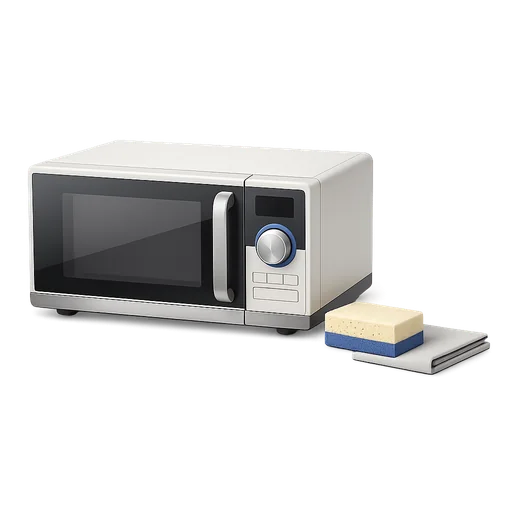
Oven and microwave
The two most visible as they display constantly in the busiest room.
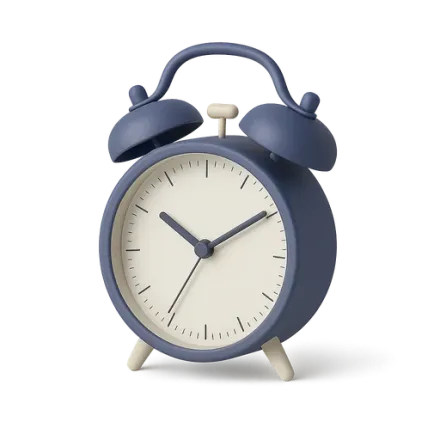
Clock radio in each bedroom
Including its alarm, which a previous guest may have set for 6am.
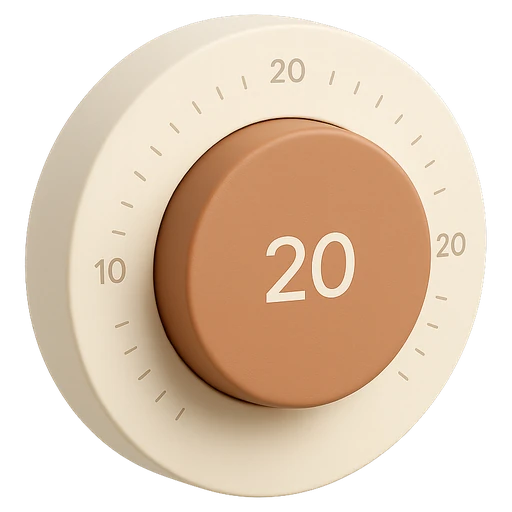
Programmable thermostat
As a wrong clock throws off the whole heating schedule.
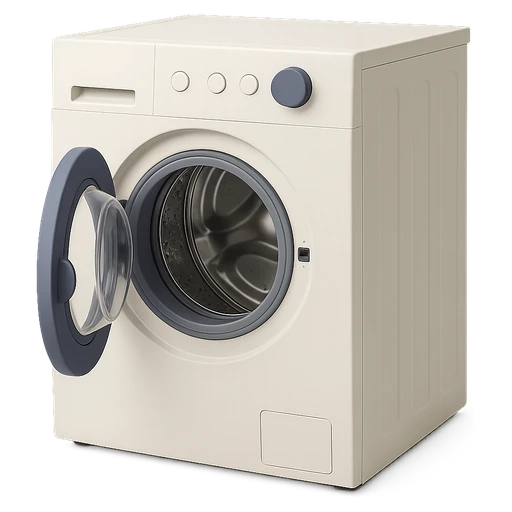
Washing machine and dishwasher
If they have a delayed start.
This becomes essential after every power cut and at the two clock changes, the last Sunday in March and the last Sunday in October. The next is overnight from 24 to 25 October 2026: these are the only days of the year when all the clocks in a whole portfolio are wrong at once.
In CleanClac, the “Reset clocks” task follows this rule: it’s only included at clock changes, and stays hidden the rest of the year. The cleaner doesn’t have to remember, and it doesn’t clutter the checklist for the other fifty weeks.
Detectors: a legal requirement
A certified smoke detector is compulsory in all residential properties, including holiday lets, and both installation and maintenance are the owner’s responsibility for short-term lets. The applicable rules can be found on Service-Public.fr.
The test takes ten seconds: press the button, the alarm should sound clearly. Do this once a month, and note the date, as it’s exactly the kind of information you think you’ll remember but won’t.
Add a carbon monoxide detector in any property with a fireplace, stove, boiler or gas water heater. It’s not compulsory everywhere but is inexpensive, and the only way to detect this odourless gas. Wood heating, including chimney sweeping, has its own guide: fireplace and wood stove, and regular maintenance for air conditioning and ventilation is covered in equipment maintenance.
The fire extinguisher
Where the property has a fire extinguisher, usually in the kitchen or hallway, check it every three months, in thirty seconds:
- Accessible: nothing in front, nothing on top, not relegated to the back of a cupboard. Its location is shown in the welcome book.
- Sealed: the safety pin is in place and its seal intact. A broken seal may mean the extinguisher has been used.
- Pressurised: if it has a gauge, the needle is in the green zone. Out of green, it won’t work as intended.
- In good condition: no rust or dents, hose not split, label legible.
Record the date of each check. An extinguisher that has been used, even briefly, or whose needle is out of green, should be recharged or replaced by a professional; the periodic servicing shown on its label is not done during cleaning.
Checks specific to certain stays
Some checks only matter for certain guests, which is exactly why they’re often forgotten:
- A baby is expected: the travel cot is set up and stable, with no missing parts, the high chair is clean and its harness works, accessible sockets are covered.
- A pet is expected: the garden gate closes, no cleaning products are accessible at floor level.
- A late arrival: outdoor and entrance lighting work, the key box code has been tested.
In CleanClac, the manager notes a baby or pet on the cleaning sheet: the tasks for that case, like “Set up travel cot”, are then automatically added to the checklist. Full details are in the babies and pets guide.
Access codes: checked and up to date
A key box code changed without warning, a building entry code altered by the management company: these are invisible failures until the guest is on the pavement. Two rules:
- Codes are managed at property level, not in a text from six months ago. In CleanClac, the property’s access details (codes, key box, entry code) are sent to the assigned cleaner on the day of cleaning.
- The cleaner tests what they use: if they had to try a code or key box twice, they report it.
Returning keys to the box is the last act of cleaning, and the one with the biggest consequences if done wrong. Count the keys before closing, including fob and parking remote: a missing key is only discovered when the guest is left outside the garage. Close the box, then scramble the code by turning the dials: a box left on the right combination is an open box. Finally, pull the lid to check it’s locked.
Padlocks secure what the key box doesn’t cover: gate, garden shed, bike or ski store, cellar. Where they’re used, check they open and close without force, that the code or key given to the guest is still correct, and that they’re locked again when leaving. A padlock exposed to rain or salt will seize: use a dry lubricant, graphite or silicone, in the mechanism, rather than oil which attracts dust. And a code that changes should be updated the same day, in both the welcome book and the property’s access details.
To be sure at the end of cleaning that the keys are properly stored, ask for a photo of the keys returned to the key box among the control points.
The three-minute round
These checks are done in a single pass, at the end of cleaning, in this order:
- Wifi testedFrom the furthest room, mobile data off.
- Hot waterRun at every water point.
- All remote controls triedOne button press is enough.
- Detector testedIf the monthly check is due.
- Charged devices unpluggedAnd put away.
What the guest uses without thinking, crockery, hangers, hairdryer, chargers or TV accounts, is checked in the same round, as detailed in the inventory guide before arrival.
Anything not working should be reported immediately with a photo, not left for later: a problem reported the same day can be fixed before arrival, a problem reported the next day is fixed after the guest’s message. In the app, the cleaner taps the relevant task, marks it as done or reports a problem, and the manager sees it instantly. Once cleaning is finished, the summary arrives automatically, with the duration, property condition on arrival and photos.

 Chloe Bennett
The report comes to you
Clean done: a notification, then an email with the duration, the arrival condition and the photos.
More detailsYour questions
How do you properly test wifi in a rental?
Connect your phone to the property’s wifi, turn off mobile data and open a web page, from the room furthest from the router. Green lights prove nothing: the internet connection may be down or the password changed after a technician visit.
What should you check for hot water before guests arrive?
Open the hot water tap in the kitchen and each bathroom for thirty seconds. You check production, pressure and the absence of air in the pipes all at once. Also run taps that are never used, to refill the traps.
Which batteries should be checked at every clean?
Those in remote controls, the smoke detector, and especially the smart lock or coded key box: a dead battery leaves the guest outside. Replace in advance rather than waiting for them to run out, and keep a stock of new batteries in the property.
Is a smoke detector compulsory in a holiday rental?
Yes, as in any residential property, and both installation and maintenance are the owner’s responsibility in a holiday let. Test it monthly by pressing the button, and note the date: it’s the kind of information you think you’ll remember but won’t.
Should clocks be reset between stays?
Yes, it’s a detail that instantly dates a property: an oven flashing 00:00 or a microwave an hour slow tells the guest nobody is looking after it. The check takes a minute and is essential after a power cut and at the two clock changes.
What should you do if a check fails during cleaning?
Report it immediately, with a photo, rather than leaving it for later. A problem flagged the same day can be fixed before arrival; the same problem discovered by the guest means a message that evening, an urgent callout and often a goodwill gesture.

Written by Janik Thoisy
Janik Thoisy manages short-term rentals day to day and shares her cleaning and organisation methods here.
Published on August 13, 2026 · Updated on November 16, 2026
Read next
 Bathroom consumables: what to provide and how muchToilet paper, soap, shower gel, kits, diffuser: what to provide in a rental bathroom, in what quantity, and how to never run out.Checklists and quality
 Kitchen Consumables: The Complete List for a RentalWashing-up liquid, dishwasher tablets, sponges, bin bags, coffee, salt, pepper, olive oil: what to provide in a holiday let kitchen, and how much.Checklists and quality
 Dosing Consumables: The Method That Prevents ShortagesQuantities per guest and per night, fixed or per stay, alert threshold, buffer stock, cleaner's kit: how to dose consumables without running out.
One property free to put all of this in place, for as long as it takes.