

Bathroom consumables: what to provide and how much
Toilet paper, soap, shower gel, kits, diffuser: what to provide in a rental bathroom, in what quantity, and how to never run out.
9 min read
A missing consumable is the most common and easily avoidable inconvenience in a rental. A guest who finds an empty toilet roll on the first evening will not write to tell you: they will mention it in their review. On the other hand, overstocking costs money every month for no benefit. This guide gives you the quantities that are widely agreed upon, the best formats to use, and the regulatory changes you need to know.
What to Restock, and How Often
| Consumable | Frequency | Reference Quantity |
|---|---|---|
| Toilet paper | At every clean | 1 roll per person per 3 nights, minimum 4 |
| Hand soap | At every clean | Dispenser filled to three-quarters |
| Shower gel and shampoo | At every clean | Dispensers filled |
| Soap (bar or individual format) | At every clean | 1 per bathroom |
| Toothpaste, dental kit | At every clean | 1 kit per guest |
| Bathroom kit | At every clean | Cotton buds, soap and shampoo: 1 per guest, if provided |
| Cotton pads, tissues | At every clean | Open box acceptable if > 1/3 full |
| Small bin bags | At every clean | 1 in the bin, a few underneath |
| Fragrance diffuser | Every 2 months | Level topped up, sticks turned |
| Forgotten items kit | At every clean | Used items replaced, 2 kits in reserve |
| First aid kit | When used | Complete, dates checked |
These lines correspond to tasks in the CleanClac library, from “Restock toilet paper” to “Replenish first aid kit”. Bath linen, towels and mats, follow a different logic, detailed in the bath linen guide.
Toilet Paper and the Four-Roll Rule
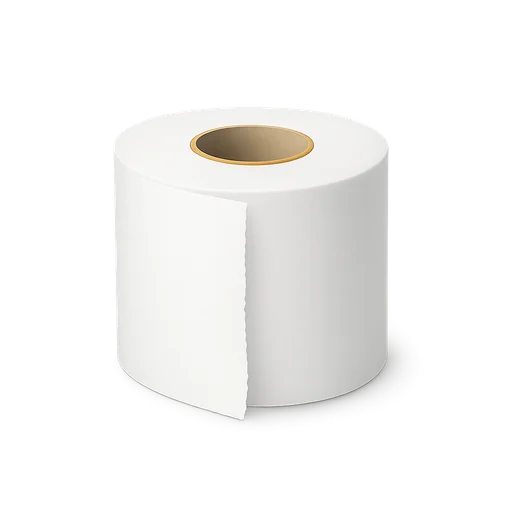
This is the consumable that causes the most negative comments, for the lowest cost. The rule that never fails: one roll per person for every three nights, with an absolute minimum of four visible rolls, regardless of the length of stay.
Two important clarifications:
- Visible, not stored away. A roll hidden in a cupboard that the guest will not open does not count. Place the spare rolls in plain sight, on the cistern or in a dedicated basket.
- Never leave a started roll. It is seen as a leftover from the previous guest, even if it is 90% new. Keep them for your own use and always provide whole rolls.
Apply the same logic for kitchen roll in the kitchen and for tissues, where an open box more than a third full is still acceptable.
Dispensers or Individual Formats: The Regulations Have Decided
The debate between hotel mini bottles and refillable dispensers is over in Europe. Packaging regulations, which specifically target single-use containers in accommodation, are pushing everyone towards refillables, and the major platforms already favour this practice. The current legal position in France can be found on Service-Public.fr and on the ADEME pages dedicated to waste reduction.
In practice, the refillable dispenser is now the right choice, for three combined reasons:
- The cost per litre is incomparable with that of mini bottles.
- Perceptions have changed: guests now see this as a sign of a well-kept property, not as penny-pinching.
- Cleaning time is halved, as topping up is much quicker than replacing five small bottles.
Three requirements for this to work: wall-mounted dispensers in the shower, otherwise they fall and break; clear labels, as shower gel and shampoo are indistinguishable once poured; and fill to three-quarters, never to the brim, so the pump primes properly.
However, always provide one individually wrapped soap per bathroom: it reassures guests about hygiene and serves as a backup if a pump jams.
The Dental Kit and Little Extras
The dental kit, toothbrush and mini toothpaste in packaging, is not justified in every property. It makes sense in a short-stay city property, where guests arrive late and travel light, and much less in a holiday home where people come with suitcases.
Three other low-cost, high-impact touches:
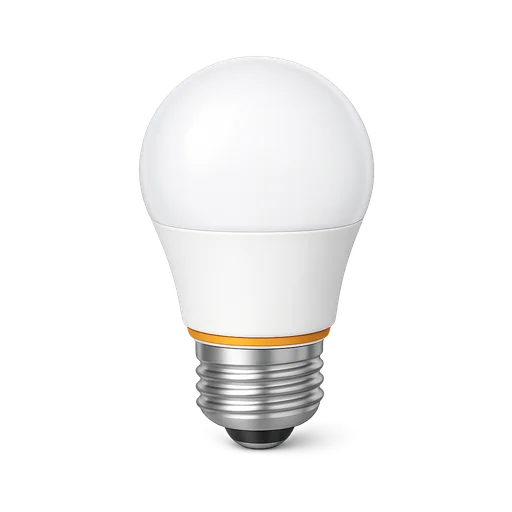
A spare light bulb
Left in plain sight with the other consumables. If a bulb blows one evening, the guest will not call you, they will stay in the dark and then mention it in their review.
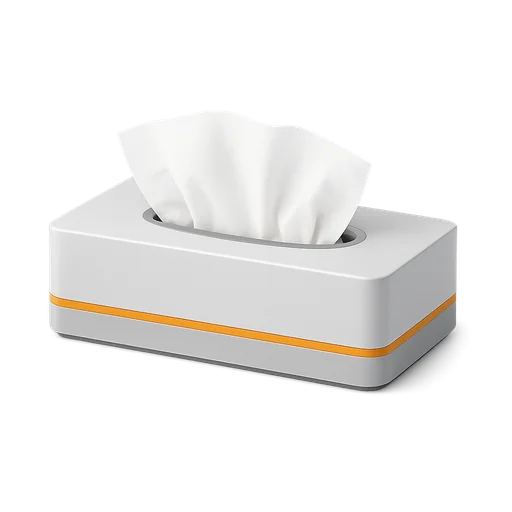
Cotton pads and tissues
In a closed container rather than an open packet.
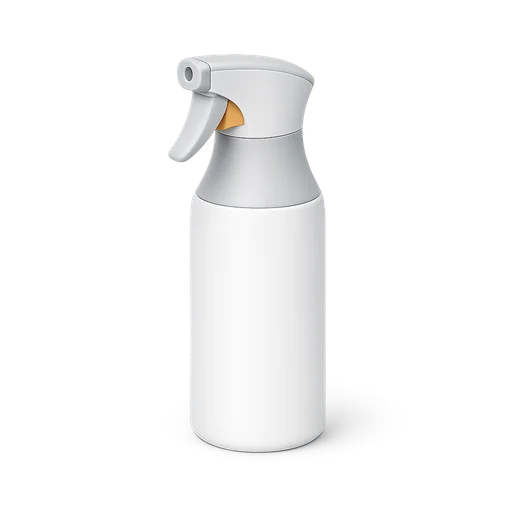
A discreet air freshener or diffuser
To be checked at every clean and refilled every two months. An empty diffuser is just a useless object sitting on a shelf.
The Forgotten Items Kit
Toothbrush, razor, charger: these are the three things most often forgotten that can ruin a guest’s first evening if they arrive late and everything is closed. A forgotten items kit solves this in advance. It fits in a small pouch or closed box, stored in the bathroom, with the essentials in emergency format: wrapped toothbrush and mini toothpaste, disposable razor, comb, a few sanitary products, a charging cable with common connectors.
At each clean, replace anything that has been used and check that nothing opened remains in the kit: an unwrapped razor or a toothbrush out of its packaging should be thrown away, never re-offered. Keep two spare kits in the property, enough for the current and next stay; with stock tracking, they are counted as a consumable, with an alert when reserves run low. And mention the kit in the welcome booklet: a backup the guest does not know about helps no one.
The First Aid Kit
A first aid kit, kept in a fixed place and mentioned in the welcome booklet, reassures families and saves guests having to find an open pharmacy for a minor cut. It is for minor injuries, nothing more.
The basic contents: plasters in several sizes, sterile dressings, single-dose antiseptic, medical tape, a bandage, scissors and tweezers, with a card reminding guests of 112, the emergency number valid throughout the European Union, local emergency numbers, and the address of the nearest pharmacy. Avoid leaving medicines: each has its own contraindications, and a tablet offered by the host is a much bigger responsibility than a plaster.
When the kit has been used, replace what is missing at the next clean, and check the dates: antiseptic and sterile dressings have expiry dates. Store it up high, out of reach of children, like cleaning products.
Calculating Without a Spreadsheet
The right calculation is per guest per night, not per stay. A four-person property hosting a couple for two nights does not use the same as a family for a week.
Two methods work, depending on your tools:
- Without tools, use maximum capacity. Provide the quantity for the maximum number of guests the property can accommodate, not just for the current booking. The cleaner does not have to calculate anything, and for a consumable that does not spoil, any surplus is not wasted: it is used for the next stay. This is different from linen, where an unused towel still goes to the wash.
- With stock tracking, quantity per stay. Each item is set as a fixed quantity (“always restock 2”) or as a smart quantity, calculated according to the number of guests arriving for the stay: the cleaner simply reads “restock 4” without counting. Bottles, such as shower gel, shampoo or hand soap, are tracked by fill level.
X2X4X5Sized to every stay
In smart mode, the quantity to put out is worked out for each stay, from the guests and the nights.
More detailsTwo safeguards for your stock:
- A buffer stock in the property, in a locked cupboard if necessary, so a cleaner never leaves short of toilet paper.
- A reorder threshold rather than a full inventory: when less than two stays’ worth of consumables remain, it is time to reorder. In CleanClac, this threshold is set item by item, and an email summarises what needs to be bought as soon as a product drops below the threshold.
The full logic for sizing stocks is detailed in Dosing Consumables: The Method That Prevents Shortages.
Bathroom Cleaning Products: The Other Stock
There are two stocks in a bathroom, and people often only think of the first. The guest’s stock, detailed above, and the cleaner’s: bathroom cleaner, limescale remover, glass cleaner for mirrors, toilet gel, toilet blocks. The day you run out of limescale remover, the shower screen will show it. These products can be tracked bottle by bottle, just like shower gel; their use is described in the shower and limescale guide and in the WC, sink and mirrors guide.
What Should Never Be Left
Three things should never be reused from one guest to the next, no matter how clean they look: a sponge, a started roll, and an opened sample bottle. They all send the same message: a property where leftovers from previous guests are recycled.
Your questions
How much toilet paper should you leave in a rental?
One roll per person for every three nights, with a minimum of four whole, visible rolls regardless of the length of stay. Never leave a started roll: it is seen as a leftover from the previous guest, even if almost new.
Should you provide refillable dispensers or individual bottles?
Refillables are now the right choice: European packaging regulations are pushing in this direction, the cost per litre is much lower and cleaning time is halved. Fix dispensers to the wall, label them, and fill them to three-quarters so the pump primes.
Should you provide shower gel and shampoo?
Yes, this is now standard on most platforms, even at entry level. One wall-mounted refillable dispenser per product, plus an individually wrapped soap per bathroom as a backup and for reassurance on hygiene.
How do you calculate quantities of consumables?
Per guest per night, but always provide the quantity for the property’s maximum capacity rather than just for the current booking. The declared number is often inaccurate, the cleaner does not have to calculate, and any surplus is used for the next stay.
Does air freshener count as a consumable?
Reed diffusers and air fresheners do: they are products that run out, tracked in stock, and the diffuser is refilled about every two months. The act of lightly scenting the rooms before arrival is something else, a comfort touch decided at each clean, which should never mask an odour.
What should you do with consumables left open after a guest leaves?
Sponges, started rolls and opened sample bottles should always be removed. Tissue or cotton pad boxes more than a third full can stay. The rule is simple: nothing that could be seen as a leftover from the previous guest.

Written by Janik Thoisy
Janik Thoisy manages short-term rentals day to day and shares her cleaning and organisation methods here.
Published on August 13, 2026 · Updated on November 16, 2026
Read next
 Kitchen Consumables: The Complete List for a RentalWashing-up liquid, dishwasher tablets, sponges, bin bags, coffee, salt, pepper, olive oil: what to provide in a holiday let kitchen, and how much.Checklists and quality
 Dosing Consumables: The Method That Prevents ShortagesQuantities per guest and per night, fixed or per stay, alert threshold, buffer stock, cleaner's kit: how to dose consumables without running out.Checklists and quality
 Wifi, hot water, batteries: pre-arrival checksWifi, hot water, batteries, key box, clocks, detectors: technical checks to carry out during cleaning to avoid first-night messages.
One property free to put all of this in place, for as long as it takes.