Airbnb Welcome Basket: What to Offer, Budget and Why
Airbnb welcome basket: what to offer, budget by range, local over expensive, precautions with food and alcohol, and how to track these gestures.
8 min read
The welcome gift, whether a single treat or a full welcome basket, is often where spending is most random. Some hosts offer a bottle of champagne for every stay and it never gets a mention in a review, while others leave three macarons from the village bakery and find them cited for two years. The difference is not the budget, but the link between the gift and the place. This guide looks at gestures from the perspective of choice, cost, and precautions.
What to leave, and how often
| Gesture | Frequency | Indicative budget |
|---|---|---|
| Fruit basket | At every changeover | Low |
| Sweets, chocolate, macarons | At every changeover | Low |
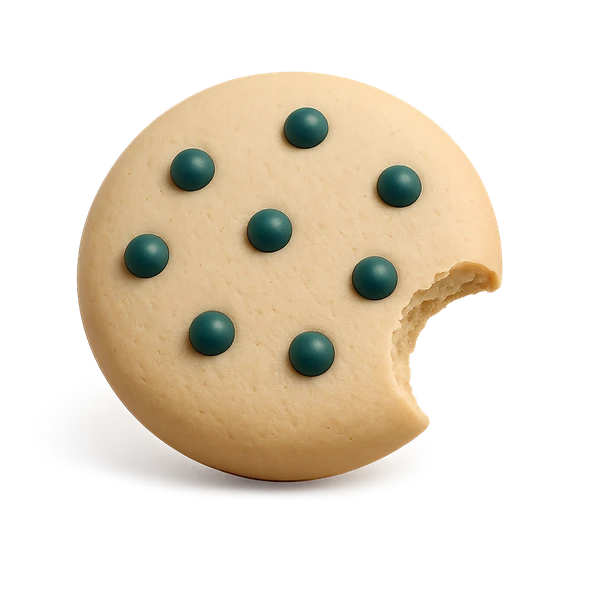
| Biscuits | At every changeover | Low |
| Chocolate on the pillow | At every changeover | Low, one per pillow |
| Tea set, jar of honey | At every changeover | Low to medium |
| Local beer, artisan soap | At every changeover | Low to medium |
| Bottle of wine, gourmet hamper | Long stays or high-end | Medium to high |
| Champagne | Special occasions | High |
| Fresh flowers | At every changeover | Low to medium |
| Scented candle | At every changeover | Low, reusable |
The principle: local over expensive
A guest does not remember a product they could have bought anywhere. They remember what teaches them something about where they are.
A soap from a workshop ten kilometres away, a beer from a local brewery, a jar of honey from a named beekeeper: each costs less than a generic bottle of wine and has ten times the impact, because it tells a story. Add a card with the producer’s name and where to find them, and you turn a gift into a local tip.
The corollary: avoid anonymous industrial products, supermarket chocolates in a dish, and above all anything that looks like leftovers from a previous stay. For a wider list of ideas, from first aid kits to local guides, see the 25 little touches that transform a stay.
Budget, by range
Think in percentage of the nightly rate, not in absolute value. In a property at £60 per night, a £15 bottle is disproportionate; in a property at £300, it is expected.
Three sensible tiers:
- Entry level: a symbolic gesture, a few chocolates or sweets, seasonal fruit, and a handwritten note. The note matters as much as the product.
- Mid-range: a clearly local product, such as soap, honey, beer, or tea, with a card about the producer.
- High-end and long stays: a gourmet hamper or a bottle, chosen to reflect the region.
Champagne is only justified in response to a special occasion: birthday, honeymoon, or a specific request at booking. Offered systematically, it becomes an unnoticed standard and eats into your margin.
Precautions that are not optional
Three points are often overlooked and deserve more attention.
Alcohol. You do not know the exact age, beliefs, or health situation of your guests. A family rental is not the place for a bottle left in plain sight. Two solutions: offer alcohol as an option at booking rather than by default, or choose a quality alcohol-free alternative, which is now well received.
Allergens. Nuts, gluten, lactose: any unwrapped or unlabelled food product is a risk. Prefer products in their original packaging with a clear ingredients list. This also allows you to leave them for the next stay if not consumed.
Scented candles. Excellent for decoration and fragrance, but never leave matches or a lighter nearby in a property with children, and prefer an unlit candle with a safety note, or a LED candle in higher-risk properties. A forgotten lit candle is a disaster.
Sweet treats: chocolate, biscuits, sweets
This is the most common category, and where detail makes all the difference.
Chocolate on the pillow
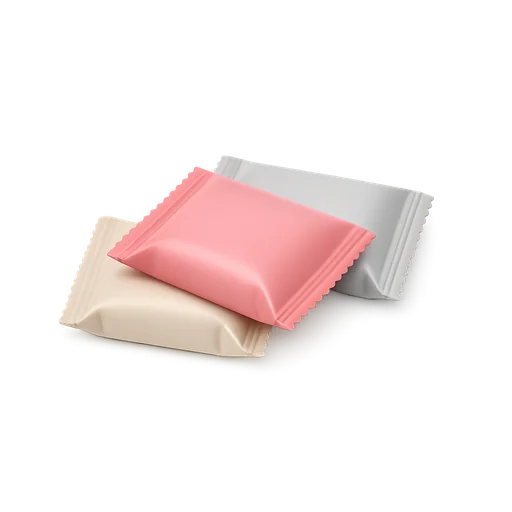
Is a hotel code everyone recognises: one wrapped square per pillow, placed in the centre, on a perfectly made bed. In summer, or in a south-facing room, place it on the bedside table, out of the sun: melted chocolate on a white pillowcase ruins both the effect and the linen.
Biscuits
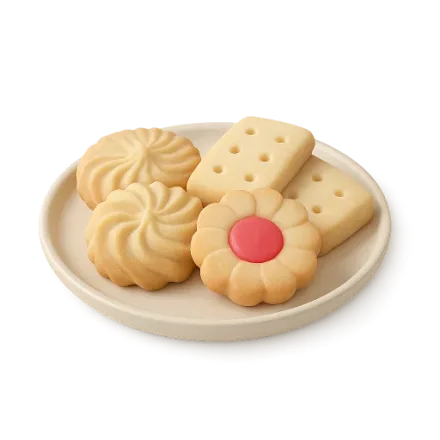
Should be placed on a plate or in their original box, never loose in a bowl. The closed box keeps the ingredients list, and unopened biscuits can stay for the next stay.
Sweets and macarons
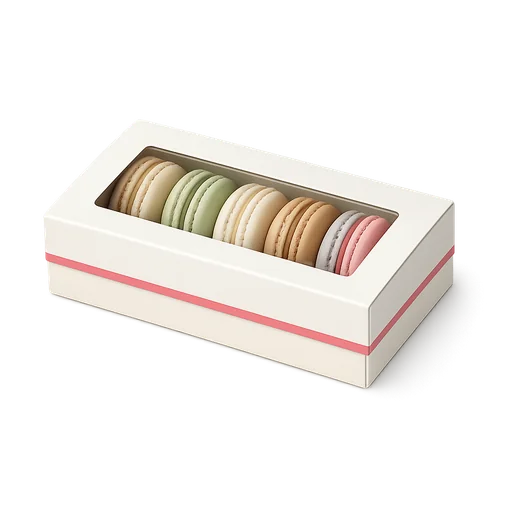
Should be offered in a neat container, in small quantities: the gesture is in the choice, not the volume.
These treats are best matched to the number of guests, not the property’s capacity: one chocolate per occupied pillow, not per pillow in the property.
Track gestures like stock
The welcome gift has a logistical flaw: you buy in bulk, store it in a cupboard, and discover you have run out the day your cleaner is due to put it out. The solution is the same as for toilet paper.
In CleanClac, small gifts are tracked exactly like consumables, property by property: chocolates, macarons, biscuits, candle, tea set or bottle of wine become stock items as soon as you activate tracking. Each has its threshold, the cleaner records what they have left, and you get an email telling you what to buy before you run out. The method for setting these thresholds is the same as in the guide on consumables, and stock tracking is activated per property.
 1




Warned before you run out
Below its threshold, the item turns red and the property is flagged in the app.
More detailsFlowers and sensory touches
Fresh flowers are the most photographed and the most fragile gesture. Three rules: local, seasonal flowers rather than imported bouquets, a few well-chosen stems rather than a large bunch, and above all nothing that wilts in two days. A dead flower on day three of a stay has exactly the opposite effect to what you want.
Robust alternatives: a potted plant cared for by the cleaner, dried eucalyptus that lasts for weeks, or a simple seasonal branch. All cost less over the year than a bouquet for every stay.
An unlit scented candle or diffuser plays on the same sensory register, with the advantage of lasting. The diffuser is refilled every two months, making it a scheduled task rather than a gesture to renew each time.
The handwritten note, the cheapest gesture
Of all the gestures listed here, the one most often mentioned in reviews costs nothing: a handwritten note, with the guest’s first name, a sentence about the property, and a personal tip about the area.
Three conditions for it to work: it must be genuinely handwritten, different for each stay, and contain useful information rather than a formula. A photocopied note is spotted immediately and cancels out the effect.
Welcome breakfasts and drinks, which follow a different logic, are covered in Breakfast and Welcome Drinks: What’s Worth Providing. The staging around the gift, open curtains, plumped cushions, set temperature, is in the 10 last-minute touches.
Knowing if your gesture was appreciated
A gift you never know was noticed is a blind budget. The CleanClac guest card gives direct feedback: a QR code in the property opens, with no app or account, a page showing the guest the last clean, the checks done, and what was prepared for them, gestures included. They can then rate cleanliness from 1 to 5 stars and leave a comment. Comments from 4 and 5-star ratings are passed to the cleaner: the thanks go to the person who put the chocolate on the pillow.
just for you.
Scan to see when and by whom your stay was prepared.

The guest cleaning card
The guest cleaning card shows your guests when, by whom and how their home was prepared.
More detailsThe card is free for all accounts; details are on the guest card page. A rating of 3 stars or less notifies you immediately, and no review is ever displayed publicly.
Your questions
What budget should I set aside for a welcome gift?
Think in percentage of the nightly rate, not absolute value. In an entry-level property, a few chocolates and a handwritten note are enough. For high-end or long stays, a local product or gourmet hamper is appropriate.
Should I offer alcohol to guests?
Be cautious: you do not know the age, beliefs, or health of your guests. Offer it as an option at booking, or choose a quality alcohol-free alternative. In a family property, a bottle left in plain sight is not the right choice.
What welcome gift makes the biggest impression on guests?
A local product that tells a story about the place: a soap from a nearby workshop, a beer from a local brewery, honey with the beekeeper’s name. These often cost less than a generic bottle and are much more likely to be mentioned in reviews.
Should I put fresh flowers in a rental?
Yes, if you choose local, seasonal, robust flowers in small numbers. A wilted flower on day three has the opposite effect to what you want. A potted plant, dried eucalyptus, or a simple branch lasts much longer for a lower annual cost.
Should I replace the gift if it was not opened?
A wrapped, unopened product well within its date can stay for the next stay: that is the point of original packaging. Anything opened, even slightly, goes. Also check appearance: a squashed box or loose ribbon should be replaced, as the guest cannot tell if it was already offered.
Does a handwritten note really make a difference?
It is the gesture most often mentioned in reviews, and it costs nothing. Three conditions: genuinely handwritten, different for each stay, and containing a useful tip about the area rather than a formula. A photocopied note is spotted and cancels the effect.

Written by Janik Thoisy
Janik Thoisy manages short-term rentals day to day and shares her cleaning and organisation methods here.
Published on August 13, 2026 · Updated on November 8, 2026
Read next
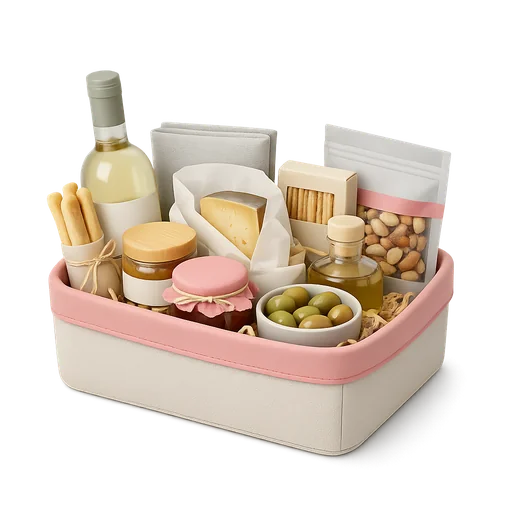 Airbnb Guest Touches: 25 Ideas That Transform a Stay25 guest touches for your Airbnb guests, sorted by budget (£0, under £5, under £20), and the method to offer them at every stay.Guest experience
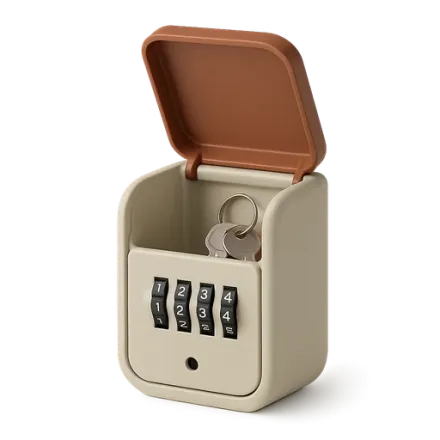 Self Check-in: Key Safe or Smart Lock?Self check-in for short-term rentals: key safe or smart lock, costs, security, mistakes to avoid, and coordination with cleaning teams.Guest experience
 Welcoming Families in Rentals: Equipment and Safety TipsWelcoming families with children in short-term rentals: baby equipment, safety, toys, enhanced cleaning, and family-friendly listings for 5-star reviews.
One property free to put all of this in place, for as long as it takes.