

Departure Staging: The 10 Last-Minute Touches
Curtains, 20°C, plumped cushions, remote controls, light fragrance, dry air: the 10 end-of-cleaning touches that create the traveller’s first impression.
8 min read
A property can be spotless and still feel underwhelming. Another, cleaned in exactly the same way, feels as if someone was waiting for you. The difference lies in about ten actions, taking five minutes in total, all done last, just before closing the door. They do not clean: they stage. This guide lists them in order, with what they really achieve.
The actions, and their timing
| Action | Frequency | What it achieves |
|---|---|---|
| Open the curtains | At every clean | Light, perceived space |
| Set the temperature to 20°C | At every clean | Immediate comfort |
| Plump the cushions | At every clean | The lounge looks new |
| Plump the pillows | At every clean | The bed looks unused |
| Gather the remote controls | At every clean | Nothing to search for |
| Switch on the towel rail | At every clean | Dry bathroom |
| Fill the water bottle | At every clean | Arrival welcome |
| Recharge batteries | At every clean | Devices ready to use on arrival |
| Switch on the dehumidifier | Depending on the property | Dry air, no musty smell |
| Fragrance the rooms | At every clean, if you wish | A subtle signature |
These are ten “Comfort” tasks from the CleanClac library. None are compulsory: choose those that make sense for your property, and stick to them at every clean. Consistency matters more than quantity.
Light, before anything else
Open the curtains and raise the blinds as you leave, not when you arrive. A property discovered in semi-darkness feels smaller, more closed, and less clean than it really is, no matter how well it has been cleaned.
Three details that make a difference:
- Open them fully, symmetrically. One curtain half-drawn and the other open gives an impression of disorder that the eye registers subconsciously.
- Adapt to the arrival time. For a night arrival, leave an ambient lamp on: a pitch-black property at 11pm feels cold, literally and figuratively.
- Check all bulbs are working as you go. A dead lamp in a dark lounge kills the atmosphere you are trying to create.
Temperature: comfort you cannot see
A property at 15°C in winter or 30°C in summer takes an hour to become pleasant, and that hour is the first of the stay.
The standard setting: 20°C during the heating season, which is the commonly recommended comfort temperature for living spaces, and moderate cooling in summer rather than a sudden chill. Usage guidelines are published by the ADEME.
Two practical points:
- Anticipate according to the property’s thermal inertia. A stone house takes several hours to warm up, so heating must be started well before arrival, not just as you leave.
- Never switch off completely between stays in winter. Frost protection or a low setting costs less than reheating a cold, damp building, and avoids condensation that causes mould.
A smart thermostat solves this permanently: the setting rises automatically before arrival and drops again at departure, with no need to think about it.
Plumping: the touch that makes it look new
This is the most underrated cleaning action, and it takes thirty seconds.
- Pillows: grab them by both ends and snap them sharply two or three times before placing them. A flattened pillow makes a bed look used, even with sheets changed that morning.
- Sofa cushions: same action, then arrange them neatly, upright or angled as in your listing photos.
- Sofa seat: pat it to remove the dips left by the previous guests.
The effect is out of all proportion to the effort, because it focuses exactly on what the guest photographs on arrival. The method for making the bed itself, with taut sheets and a flat duvet, is detailed in the guide to changing sheets.
Remote controls and stray small items
Gather all remote controls in one place, in a basket or dish on the coffee table: TV, box, air conditioning, fan, soundbar. This simple detail prevents the most common question hosts receive on the first evening.
Two related actions:
- Check the batteries, and leave spares in the drawer. A dead remote at 10pm means a message you will have to answer.
- Recharge any devices that need it: speaker, welcome tablet, stick vacuum, robot. A flat device is unusable, so it might as well not exist.
A full checklist of technical checks is covered in Wifi, hot water, batteries: pre-arrival checks.
The bathroom: dry and ready
Switch on the towel rail as you leave, in winter and in the shoulder seasons. It dries any residual moisture from cleaning, warms the coldest room in the property, and welcomes the guest’s towels from the very first evening.
Also check that the room is truly dry before closing up: a still-wet shower screen and a poorly working extractor will create a damp smell in just a few hours, exactly where guests are most critical.
The air: dry, fresh, lightly fragranced
Scent is the very first impression, even before light. It is prepared in three steps, and fragrance always comes last.
First, dry. In a damp property, by the sea, on the ground floor, or closed up in winter, empty and restart the dehumidifier as you leave. Dry air is easier to breathe, and clean linen does not pick up a musty smell before arrival. Empty the tank every time, or it will stop by itself.
Next, fresh. Windows have been open throughout cleaning, as described in the departure round. Close them just before leaving.
Finally, if you wish, fragranced. The “Fragrance the rooms” task is simple: a light touch, never overpowering. One or two sprays of room fragrance in the hall and lounge are enough; nothing on the pillows, and nothing at all if the property often hosts sensitive guests. Use the same fragrance in all your properties: it becomes a signature that regular guests recognise. This action is not the same as reed diffusers or air fresheners, which are stock items: it is a decision made as you leave, when the property is already fresh. Fragrance should never mask an odour, it should signal a clean property.
Reproducing the same staging, whoever is cleaning
Staging has one enemy: a change of cleaner. The person who knows the property arranges the cushions as in the listing photos; a replacement puts them wherever. Two tools solve this without a training meeting:
- A note for each task, where you write the property rule: “cushions upright, grey one in the centre”, “remotes in the wicker basket on the coffee table”.
- A post-cleaning photo of the lounge or bedroom, with a model photo showing exactly the expected result. The cleaner compares before taking their own, and you see the result without visiting.
The guest can see it too. With the CleanClac guest card, a QR code in the property opens a page showing when cleaning was finished, what was checked, and what was prepared for them, with no app or account needed.

 Fresh sheets
 Fresh duvet cover
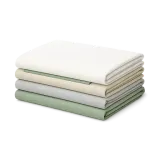 Fresh pillowcases
- Surname
- Phone number
- Cleaning issue reports
- Access codes
What guests see
The last cleaning in detail: the time, the cleaner, the points checked, the linen and the little touches.
More detailsThe card is free for all accounts; full details are on the “Monitored Cleaning” guest card page. The little extras that complete the staging, like chocolates, flowers or a welcome hamper, are in the welcome gift guide.
The departure, in order
The final round is always done in the same order, in five steps:
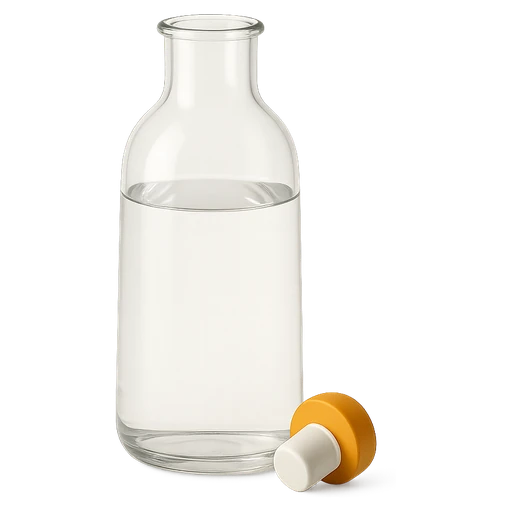
Water bottle placed
Chilled in summer.
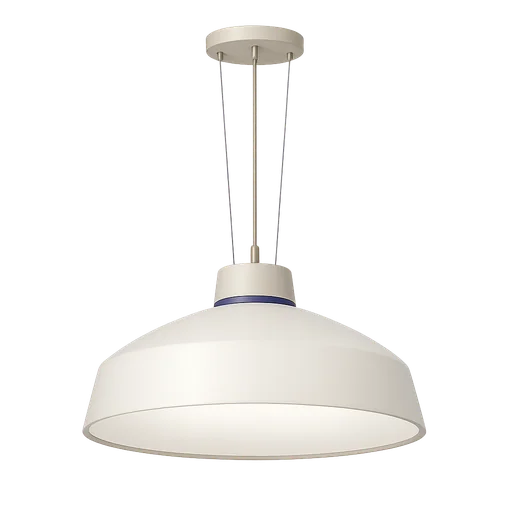
Curtains open, lamp on if arrival is at night.
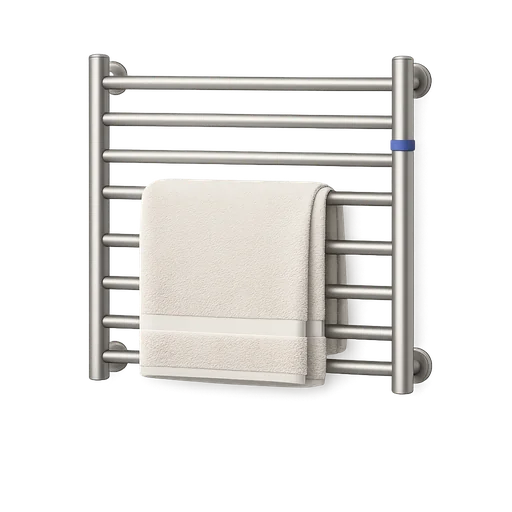
Temperature set, towel rail on.
Windows closed and locked
No bins left inside.
A look from the front door
At the exact spot where the guest will stand. This is the only check that matters, because it is their perspective, not yours.
Your questions
What actions should be done last before leaving a property?
Open the curtains, set the temperature, plump cushions and pillows, gather remote controls, switch on the towel rail, place the water bottle, then check windows and bins. Finish with a look from the front door, where the guest will stand.
What temperature should a property be left at before guests arrive?
Around 20°C in the heating season, and moderate cooling in summer rather than a sudden chill. Anticipate according to the building’s thermal inertia: a stone house needs several hours. Never switch off completely in winter, reheating costs more than maintaining.
Why does plumping the pillows make a difference?
Because a flattened pillow signals a bed already used, even with sheets changed that morning. The action takes thirty seconds, two or three sharp snaps by the ends, and it focuses exactly on what the guest looks at and photographs on entering the bedroom.
Should you leave a light on for a night arrival?
Yes, an ambient lamp rather than a ceiling light. A property discovered in darkness at 11pm cancels out all the cleaning effort. Check all bulbs are working and leave a spare bulb visible with the consumables.
Where should remote controls be kept in a rental?
All in the same place, in a basket or dish on the coffee table: TV, box, air conditioning, fan, soundbar. This detail eliminates the most common first-night question. Check the batteries and leave spares in a drawer.
Should you switch on the towel rail when leaving?
Yes, in winter and the shoulder seasons. It removes residual moisture from cleaning, warms the coldest room, and welcomes towels from the first evening. Check the bathroom is truly dry before closing up.

Written by Janik Thoisy
Janik Thoisy manages short-term rentals day to day and shares her cleaning and organisation methods here.
Published on August 13, 2026 · Updated on November 16, 2026
Read next
 Airbnb Guest Touches: 25 Ideas That Transform a Stay25 guest touches for your Airbnb guests, sorted by budget (£0, under £5, under £20), and the method to offer them at every stay.Guest experience
 Self Check-in: Key Safe or Smart Lock?Self check-in for short-term rentals: key safe or smart lock, costs, security, mistakes to avoid, and coordination with cleaning teams.Guest experience
 Welcoming Families in Rentals: Equipment and Safety TipsWelcoming families with children in short-term rentals: baby equipment, safety, toys, enhanced cleaning, and family-friendly listings for 5-star reviews.
One property free to put all of this in place, for as long as it takes.