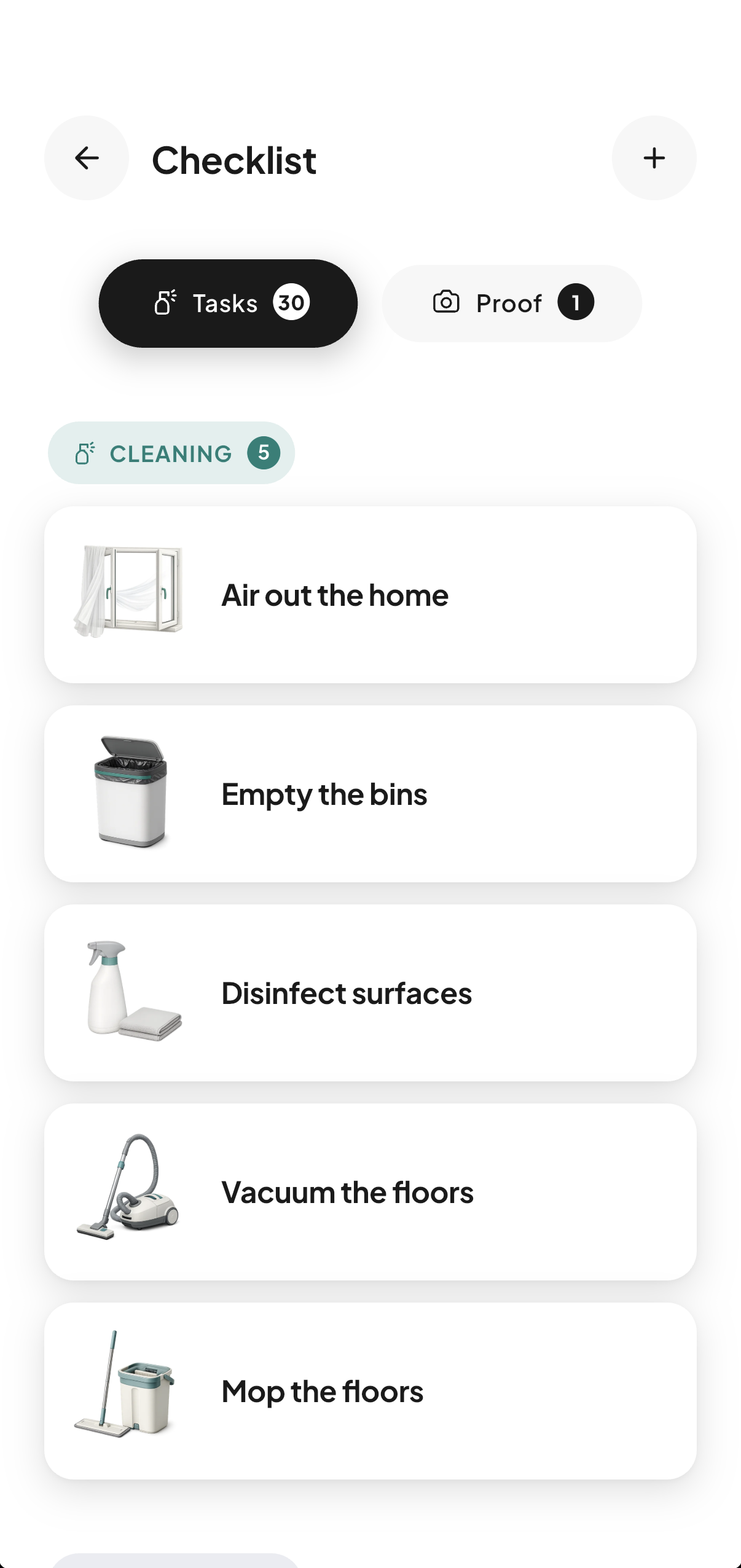

Inventory and Damages: Protecting Your Property
Turn every clean into an inventory check: spot damages, document them with photos, and claim via AirCover or the deposit within the deadline.
A cigarette burn on the sofa, a cupboard door ripped off, a wine stain embedded in the mattress… and the guest is already gone. In short-term rentals, there is no signed inventory on check-in and check-out as in traditional lettings. Your only window to spot damage is the clean between two stays. If your cleaner just vacuums without looking, the damage will be discovered by the next guest, too late to claim, and with a bad review on top. Here’s how to turn every clean into a real inventory: detect, document, claim.
Why cleaning is your only real inventory check
In holiday lets, there’s no tenancy agreement or mandatory check-in/check-out inventory, the applicable framework (registration, contract, possible deposit) is detailed on Service-Public. In practice, it’s the person cleaning who checks the state of the property after each departure.
This is far from trivial: 38% of guests cite poor property maintenance among the most common issues in short-term rentals, just behind wifi (ConsumerAffairs). A leaking tap or wobbly chair not spotted during cleaning becomes the next guest’s problem, and the subject of their review.
The financial stakes are twofold:
- Recover the cost of damages from the responsible guest (AirCover, deposit) instead of paying yourself.
- Avoid blocked nights: with an average price of around €118 per night in France (PriceLabs), a week’s downtime to replace a mattress or repaint a room quickly costs more than the repair itself.
The most common damages (and where to look)
The same types of damage come up again and again. Two main categories to prioritise.
Visible damages
- Textiles: wine, makeup, blood or oil stains on sheets, towels, sofa and mattress, by far the number one issue.
- Burns: cigarettes on window sills, hot pans placed on worktops without trivets.
- Breakages: crockery, glasses, chair legs, bed slats, lampshades.
- Walls and floors: suitcase marks in the hallway, dents on wall corners, scratched floorboards.
Hidden damages (the most expensive)
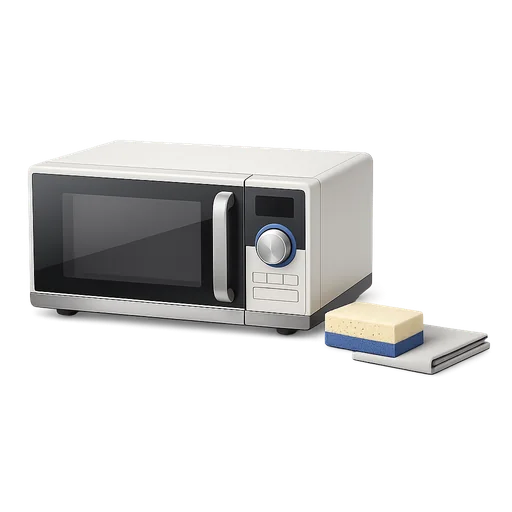
Appliances
Scratched hob, fridge seal forced, extractor filter clogged, leaking dishwasher.
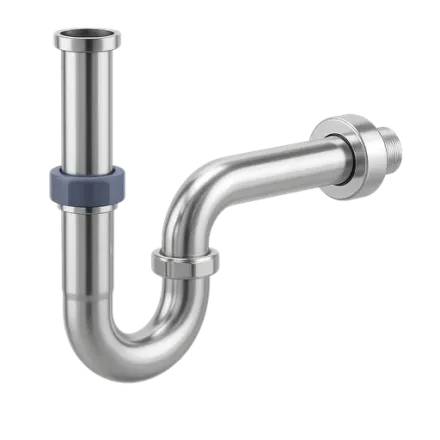
Plumbing
Running toilet, blocked trap, split shower hose.
Embedded odours
Tobacco or undeclared pet, often undetectable without a careful walk-through of every room.
Bedding
Broken slats under the bed, stains under the mattress protector.
Golden rule: hidden damage lurks where standard cleaning doesn’t reach, under beds, behind sofas, in drawers. That’s exactly why inspection must be built into the cleaning checklist, not left to chance.
Integrating inspection into cleaning: the room-by-room method
Good news: a thorough inspection doesn’t require a second visit. Cleaning a one-bedroom flat takes about 60 minutes on average; adding structured checkpoints takes just 5 to 10 minutes more, as the cleaner is already in every room, cupboard, and corner.
The principle matches Airbnb’s enhanced cleaning protocol, whose “Check” step is based on room-by-room checklists (Smoobu). In practice, add 2 to 4 inspection points to each area of your checklist:
- Bedroom: lift the mattress protector (check for stains), test the bed base, check the slats, open all drawers.
- Living room: lift sofa cushions, run your hand over the seats, check remotes and TV.
- Kitchen: count fragile crockery (glasses, mugs), test hob and oven, open the fridge (cleanliness + seal).
- Bathroom: flush toilet and run taps, check shower hose, inspect seals.
- General: smell each room on entry (tobacco, pet), test lights, count keys and parking remotes.
Strategic timing: do this inspection at the start of the clean, not at the end. If there’s serious damage, every minute counts to alert the host and start the claim, especially during a Same-day turnover: how to nail same-day cleaning when the next guest arrives just hours later.

Documenting: evidence that stands up to the platform
Damage spotted without solid proof is a lost claim. Your file should include:
- Systematic “before” photosImpossible to prove damage is recent without a reference. End-of-clean photos taken at every visit are your permanent check-out inventory, that’s the whole point of Cleaning Quality Control: Always Require Photos.
- Timestamped “after” photosSeveral angles, a wide shot to show the room, a close-up of the damage, with automatic date and time.
- Booking contextGuest name, stay dates, declared number of guests.
- A cost estimateOriginal purchase invoice if you have it, repair quote or link to a replacement product.
Centralise this evidence by property and by stay. A photo lost in a messaging thread will never be found six months later. An app with timestamped photo checklists, automatically sorted by job, turns this chore into a habit.
AirCover, Booking deposit: claim quickly and correctly
All platforms share one rule: speed is key.
On Airbnb
AirCover damage protection for hosts lets you request compensation from the responsible guest. Critical point: the request must be made within 14 days of check-out, or before the next guest checks in if that’s sooner, in peak season, your window may be just a few hours. Full terms and process in the Airbnb Help Centre.
On Booking.com
Booking.com offers partners options for damage management (deposit held by the host or damage programme depending on the case). Again, quick and well-documented reporting; full details on the Booking.com Partner Hub.
Habits that win claims
- Don’t put anything right before photographing: a mattress thrown out without a photo is lost evidence.
- Stick to the facts: dates, photos, costs, no emotional accusations.
- Contact the guest first politely: many accidental damages are settled amicably in a few messages.
- Distinguish normal wear from damage: a sheet worn after 80 washes is wear and tear, not the guest’s fault.

Prevention: reducing damages at the source
The best claim is the one you never have to make. A few investments drastically reduce breakages:
- Waterproof mattress and pillow protectors: the stain hits the £15 protector, not the £400 mattress.
- Plenty of trivets, coasters and trays in plain sight.
- Clear house rules in the listing and welcome book: no smoking, pets, parties, maximum occupancy.
- Furnishings suited to turnover: removable covers, washable paints, robust crockery in quantity.
- Deposit or protection enabled on every platform, every time.
A property that’s visibly well cared for is also better respected, and it’s about more than breakages: a cleanliness rating below 4.8 stars costs about 20% of bookings. Undetected damage almost always means a downgraded review.
Making your cleaning team your eyes on the ground
If you manage remotely or outsource cleaning, your cleaners are your only witnesses. But you need to give them the tools:
- Formalise reporting: a single, instant channel (not a text lost among twenty others), with mandatory photo.
- Build inspection into the official checklist for each property, this is the heart of a real Professional Cleaning Protocol: The Guide for Your Rentals.
- Remove blame from reporting: the cleaner who reports damage is helping, not “creating a problem”.
- Have a plan for serious damage: who decides if the property is still rentable? Who tells the next guest?
- Reward vigilance: a thank you, even a bonus when a report leads to compensation.
With a tool shared between host and team, every clean automatically produces its own file: validated checklist, timestamped photos, cleaner’s notes. In case of dispute, everything is already there.
Conclusion
Without a signed inventory, your protection relies on three habits: inspect at every clean, photograph systematically, claim without delay. None of this is time-consuming, as long as it’s structured, not left to chance.
With cleanclac.com, every clean becomes an automatic inventory: your cleaners follow property-specific checklists including your damage checkpoints, attach timestamped photos to every job, and you’re alerted immediately if there’s a problem. The day you need to file an AirCover claim, all your evidence is already sorted.
Your questions
Is an inventory check compulsory in short-term rentals?
No. Unlike standard tenancies, holiday lets don’t require a formal check-in/check-out inventory. Still, it’s strongly recommended to document the property’s condition at every turnover: in practice, end-of-clean photos and the cleaner’s inspection serve as your inventory and proof in case of a claim.
How long do I have to report damage on Airbnb?
A compensation request via AirCover must be submitted within 14 days of the guest’s departure, or before the next guest arrives if that’s sooner. With same-day turnovers, your window may be just a few hours: inspect the property at the start of the clean and photograph any damage immediately.
What evidence should I provide for a damage claim?
A solid file includes timestamped photos of the damage (wide and close-up), earlier photos showing normal condition, the dates and name of the relevant booking, and a cost estimate: purchase invoice, repair quote or link to an equivalent product. Don’t repair or throw anything away before photographing everything.
How do you tell normal wear from guest damage?
Normal wear comes from regular use over time: a sheet fading, a seal yellowing, a sofa sagging. Damage is from abnormal use or accident: burn, embedded stain, breakage, damaged wall. Only the latter can be claimed. Claiming for normal wear undermines your credibility for genuine cases.
Who should do the inspection: host or cleaner?
Ideally, the cleaner, as they’re already on site at every turnover and go through every room. The inspection should be formalised: checkpoints in the checklist, mandatory photos, instant reporting channel. The host can add a deeper monthly or quarterly inspection, especially for appliances and plumbing.

Written by Janik
Published on August 7, 2026 · Updated on August 12, 2026
Read next
 Organise your cleaning between bookings without stressCheck-out/check-in window, scheduling, multi-property prioritisation, plan B: the complete method to organise your Airbnb cleaning without stress.Managing turnovers
 Remote Cleaning Management for Short-Term RentalsNon-resident host? Local team, photo checks, iCal sync, handling the unexpected: the complete method for managing your Airbnb cleaning remotely.Managing turnovers
 Same-day turnover: how to nail same-day cleaningCheck-out at 11am, check-in at 3pm: flawless same-day turnover cleaning with precise timing, ready linen kit, team organisation and handling surprises.
Move from theory to practice.
One property free to put all of this in place, for as long as it takes.