Allowing Pets in Your Rental: Good or Bad Idea?
Pet-friendly rentals: real demand, cleaning surcharges, Airbnb and Booking rules, equipment and protocols to accept pets safely.
"Hello, your property looks perfect. Do you accept our small dog, very clean and calm?" You hesitate. Refusing means losing this booking, and many others, as the question keeps coming up. Accepting means picturing hair on the sofa, lingering smells, and cleaning that gets out of hand. The truth lies in between: opening your rental to pets is a real lever for occupancy and income, provided you set clear rules, adapt your property, and above all, adjust your cleaning protocol. Here’s what you need to know to make an informed decision.
Pet-friendly: huge demand, still rare supply
France has around 75 million pets, and nearly one in two households lives with a dog or cat. Many owners refuse to use kennels during holidays and always filter listings by the "pets allowed" criterion.
Despite this demand, only a minority of listings explicitly accept pets: a pet-friendly listing therefore appears in filtered searches where competition has dropped dramatically. On a French market of around 1.31 million active Airbnb listings, standing out on a highly used filter is a visibility strategy in itself.
Three concrete benefits:
- More bookings, especially in low season and for longer stays.
- Additional income via "pet fees", commonly €10 to €30 per stay.
- Loyal guests: finding a place that accepts their dog is so difficult that these travellers return to the same property.
What Airbnb, Booking, and the law say
On Airbnb, you are free to accept or refuse pets in your house rules, and you can add specific pet fees. Important exception: assistance animals (such as guide dogs) must be accepted even if your listing says "no pets", unless there is a proven health or safety risk. Details are in the Airbnb Help Centre.
On Booking.com, you set in the extranet whether pets are allowed (yes, no, on request) and if a surcharge applies; the Booking.com Partner Hub explains these settings and their impact on your visibility in filters.
Under French law, for furnished holiday lets, you are free to accept or refuse pets: the ban on refusal only applies to standard residential leases. Just make sure your policy is clearly stated in your house rules and contract.
The real risks (and how to manage them)
Let’s be honest about what worries hosts, and rightly so:
- Hair and allergens: the number one risk, as it affects future guests. Cat and dog allergens linger in fabrics long after the animal has left; an allergic guest reacting on arrival means a disastrous review. For air quality and domestic allergens, Santé publique France is the reference.
- Odours: a wet dog on a fabric sofa leaves a scent that’s instantly noticeable.
- Damage: scratches on doors, accidents on rugs, damaged fabrics.
- Disturbance: barking that annoys neighbours, especially in flats.
These risks don’t rule out the idea: they define the requirements. Cleanliness is key: 78% of travellers cite spotless cleanliness as the top sign of a quality listing, and 86% say they’re willing to pay more for a higher-quality property (Vrbo 2026 study). Accepting pets without boosting cleaning is gambling with your cleanliness rating; with an adapted protocol, the risk is manageable.
Cleaning surcharge: calculate it before deciding
It’s a calculation too many hosts forget. A standard clean for a one-bedroom flat of about 50m² takes on average 60 minutes. After a stay with a pet, allow an extra 20 to 40 minutes: extra vacuuming of fabrics, skirting boards, washing blankets and covers, odour checks.
Based on market rates, a one-bedroom clean billed at €28 to €45 outside Paris, the real extra cost is around €10 to €20 per clean. The simple rule: your "pet fee" should at least cover this extra cleaning cost. Set it between €15 and €30 per stay, and notify your cleaner for each relevant booking so they can allow extra time in their schedule.
Three equipment investments help with the rest:
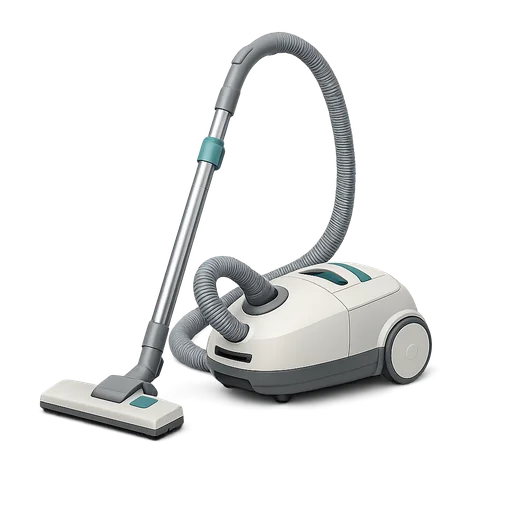
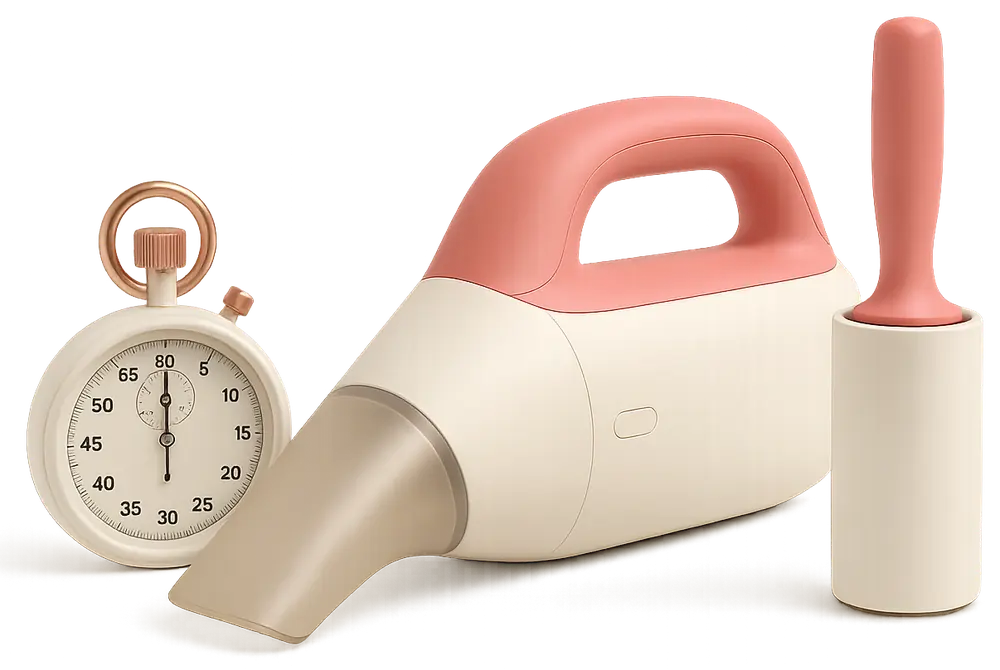
A vacuum cleaner designed for pet hair
(motorised brush), which halves the time spent on fabrics.
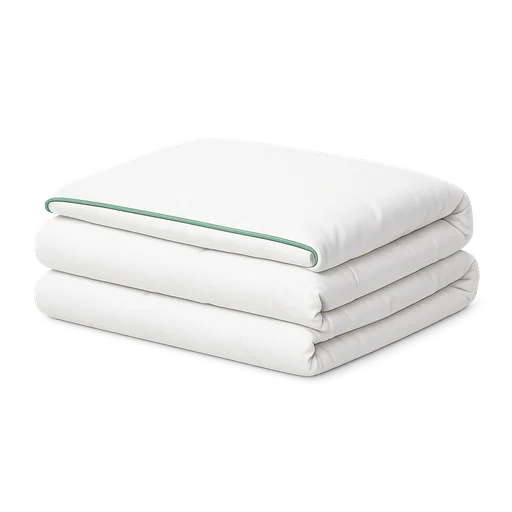
Removable, washable sofa covers
Changed like bed linen.
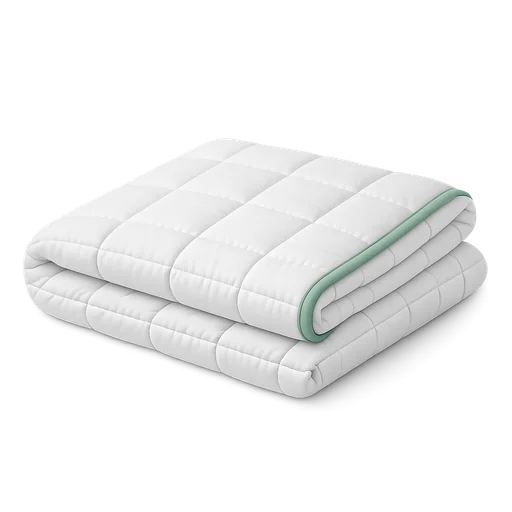
A mattress topper and protectors on every bed
Essential anyway, doubly so with pets.
Equipping your property: the pet-friendly kit that makes all the difference
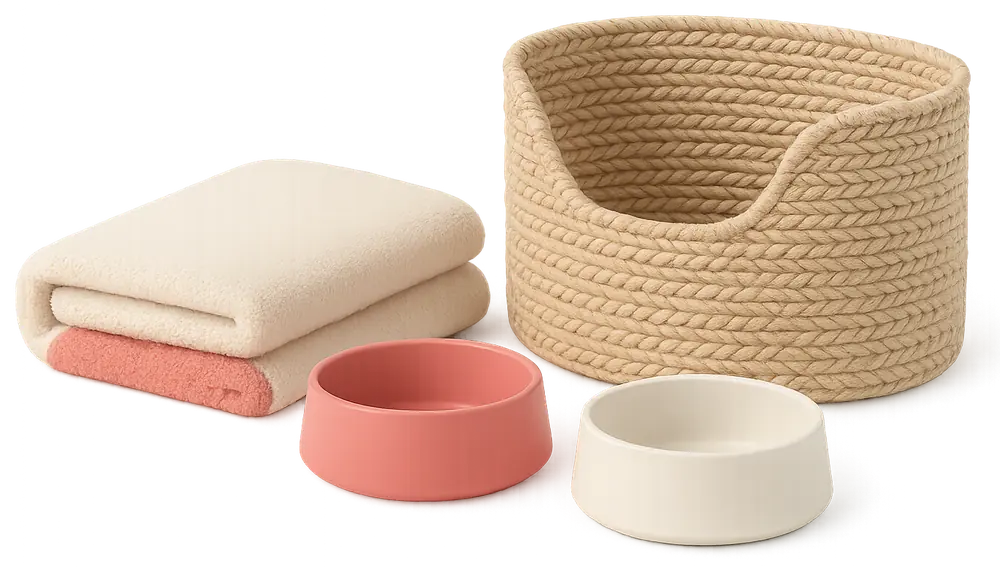
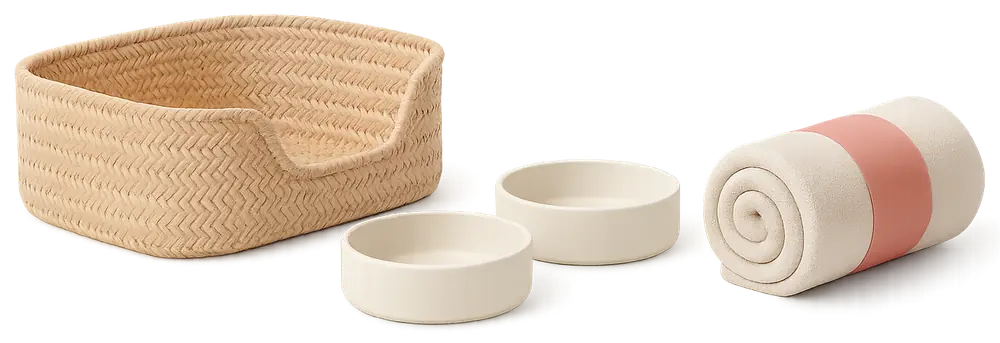
Accepting pets "half-heartedly" is the worst option: the guest improvises with your equipment, and that’s when damage happens. A dedicated kit, for an investment of £50 to £85, protects your property and creates a wow effect:
- Two bowls (water and food) with a waterproof mat underneath.
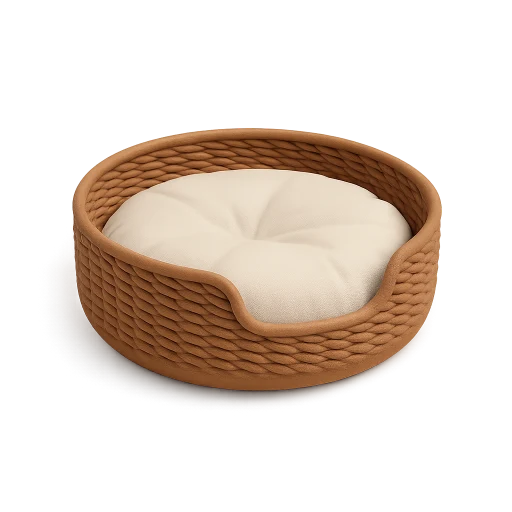
- A dedicated bed or blanket, so the animal doesn’t choose your sofa or bed.
- A "paw towel" near the entrance, clearly labelled (otherwise your bath towels will be used).
- Poop bags and the address of the nearest bin.
- A local list: emergency vet, dog-friendly beach or park, pet-friendly restaurants.
This last point turns a hassle into a marketing asset: the guest who finds the local vet’s details will mention it in their review. It’s the small touches, as detailed in 25 little touches that transform your guests’ stay, applied to a highly appreciative audience. Group everything in a "Staying with your pet" section of your welcome book (Local recommendations: the guide that delights your guests).
Clear rules, communicated before booking
Almost all bad experiences come from unclear boundaries. Your rules should appear in the listing, the house rules, and your automated messages:
- Number and type of pets: for example "1 dog under 25kg, cats allowed". You can exclude category 1 and 2 dogs.
- No-go areas: bedrooms and sofas, the most useful bans for cleaning.
- Pet never left alone in the property (or only in a crate): the number one anti-barking and anti-damage rule.
- Pet fee and liability: any damage caused by the pet is the guest’s responsibility; ask for proof of liability insurance for longer stays.
Send a reminder of these rules in your pre-arrival message, a scenario to include in your templates (Guest Communication: 8 Ready-to-Use Message Templates). A guest who knows the rules before arrival will respect them in the vast majority of cases.
The special "after pet" cleaning protocol
Cleaning after a pet stay should be a separate, documented protocol with its own checklist:
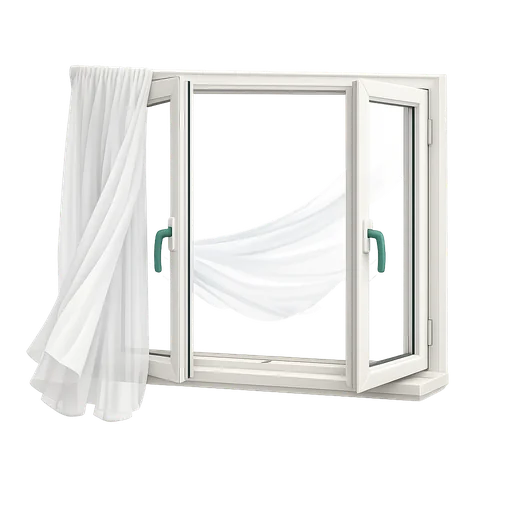
Air out thoroughly
As soon as you arrive, before anything else.
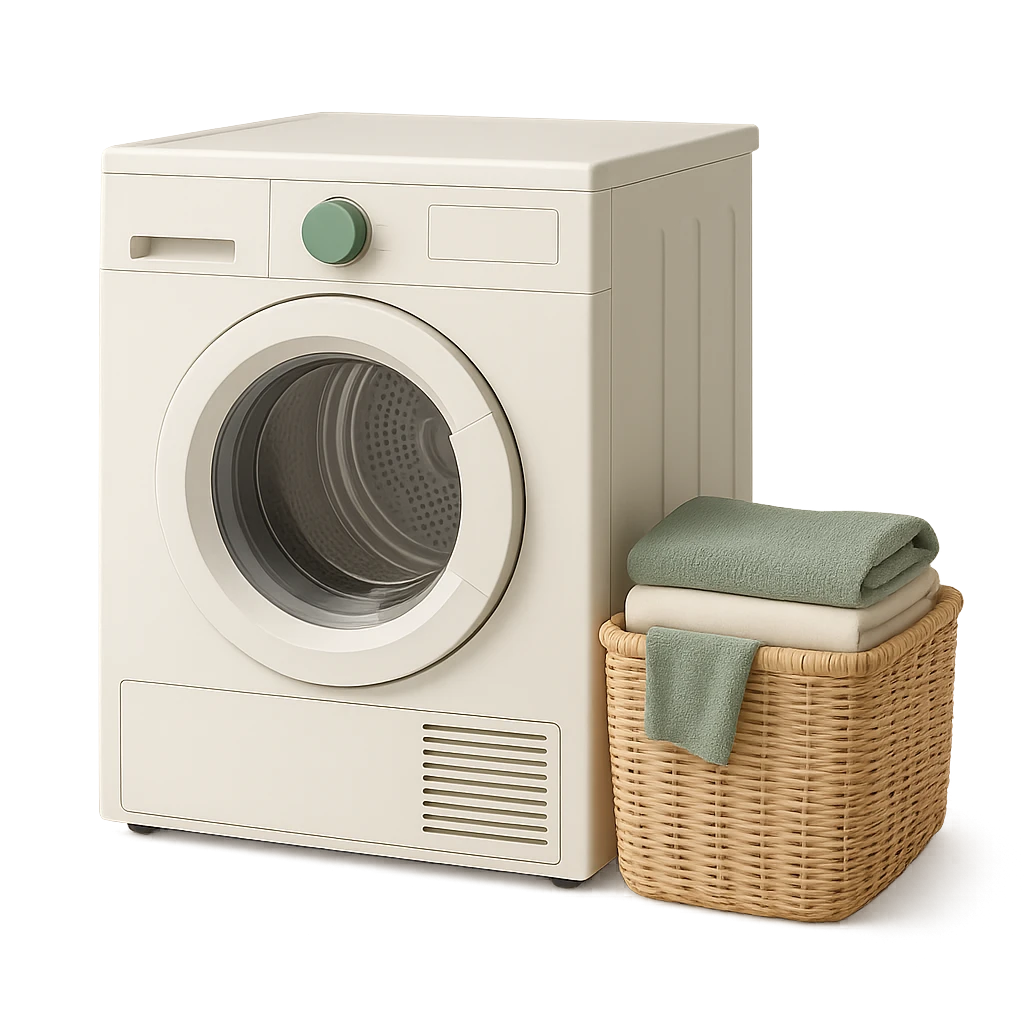
Vacuum all fabrics twice
Sofa (brush attachment), armchairs, headboards, lower curtains, rugs, once at the start, once at the end, as hair settles between passes.
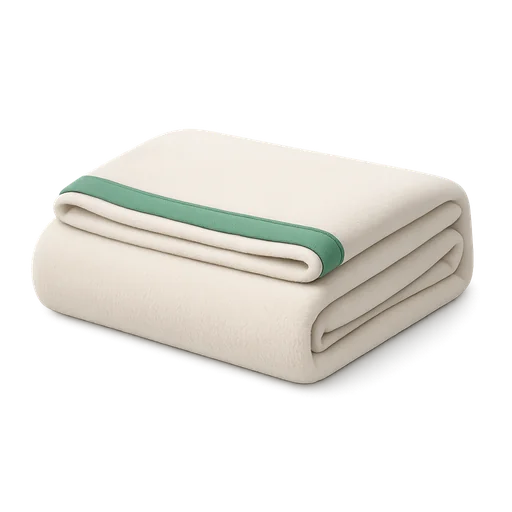
Wash all blankets, covers, and protectors exposed
Even if there’s no visible trace: a 60°C wash removes mites and allergens from suitable fabrics (Direct Hôtellerie).
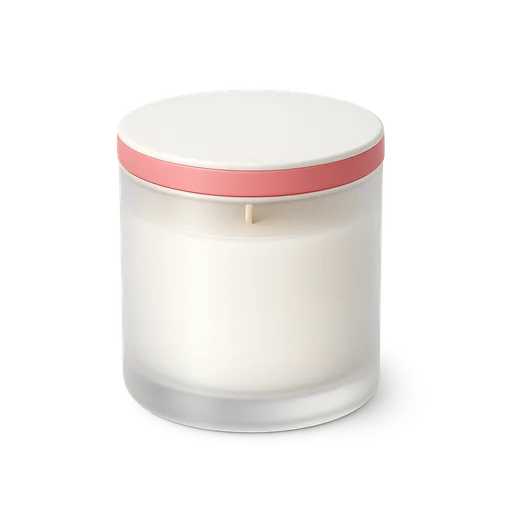
Treat odours at the source
Bicarbonate on non-removable fabrics (leave for 30 minutes then vacuum), enzyme cleaner on any accident, never just an air freshener that masks without removing.
Check for damage
Furniture legs, door bottoms, wall corners. Photograph any damage immediately for possible claims.
Check under furniture and behind curtains
Chewed toys and surprises often hide there.
For products, keep it simple and well-dosed: ANSES warns that mixing cleaning products (bleach + descaler, for example) creates toxic fumes, a greater risk when using multiple "odour remover" products. A neutral cleaner, bicarbonate, and an enzyme product are enough.
Finally, require end-of-clean photos of key areas (sofa, under beds, entrance): your proof in case of dispute, and your remote quality control.
Verdict: who is this a good idea for?
Say yes to pets if: your property has hard floors (tiles, sealed wood), outdoor space or walks nearby, well-organised cleaning with time between stays, and you want to boost occupancy in low season. The "house with garden + pets allowed" combo is one of the most searched filters.
Say no if: you have back-to-back bookings with no margin, your property is full of delicate fabrics and carpets, your building is noise-sensitive, or your listing promises a "hypoallergenic" environment. In that case, stick to your refusal, but you must still accept assistance animals.
If you’re unsure, test it: open to pets "on request" for three months, with dedicated fees and a reinforced protocol, then measure the impact on your bookings and cleanliness rating before making it permanent.
Your questions
Can I refuse pets in my holiday rental?
Yes. The ban on refusing pets only applies to standard residential leases, not furnished holiday lets: you are free to set your policy in your house rules. The only exception is assistance animals, which platforms like Airbnb require you to accept even in a "no pets" listing, unless there is a proven health or safety risk.
How much should I charge for a pet?
The market usually charges between €10 and €30 per stay. The right calculation is based on your real extra cost: 20 to 40 minutes of extra cleaning, about €10 to €20 at a cleaner’s rate, plus wear and tear on equipment. A fee of €15 to €30 covers this without scaring off guests who are used to this supplement.
How do I effectively remove pet hair from a property?
Vacuum fabrics with a motorised brush attachment, in two passes to catch hair that settles between. A slightly damp rubber glove picks up what the vacuum misses. Wash blankets and covers after every stay, and use removable fabrics: it’s the only reliable way to neutralise allergens too.
Does a pet-friendly listing really earn more?
It mainly boosts occupancy: guests with pets are spread over a limited supply, so competition for your listing drops sharply. Add pet fees and often longer stays, especially off-season, and the net gain is real, provided the cleaning surcharge is covered and your cleanliness rating is maintained.
What if a pet causes damage?
Document immediately: time-stamped photos during cleaning, before any repairs. Contact the guest for an amicable solution, then use the platform’s process (AirCover claim on Airbnb, damage report on Booking) within the deadlines. The guest’s liability insurance may also cover pet damage.

Written by Janik
Published on August 7, 2026 · Updated on August 23, 2026
Read next
 25 little touches that transform your guests’ stay25 little touches, sorted by budget (£0, under £5, under £20), to impress your Airbnb guests and earn more 5-star reviews.Guest experience
 Self check-in: key safe or smart lock?Key safe, smart lock, secure box: comparison of self check-in solutions, security, costs, and coordination with cleaning teams.Guest experience
 Welcoming Families with Children in Short-Term RentalsCot, safety, toys, family-friendly listing: the complete guide to welcoming families with children and earning 5-star reviews.
Move from theory to practice.
One property free to put all of this in place, for as long as it takes.