
Local recommendations: the guide that delights your guests
Restaurants, activities, partnerships, paper and digital formats: the method to build local recommendations that boost your Airbnb reviews.
It's 8pm, your guests have just arrived and the message comes in: “Do you know a good restaurant open tonight?” If your answer is a rushed Google search, you’re missing one of travellers’ biggest expectations, and a near-free lever for 5-star reviews. A hotel has a concierge; you have something better: real knowledge of the neighbourhood. The key is to turn it into a real tool: a tried-and-tested selection, a format guests can consult at any time, and local partnerships that benefit everyone. Here’s the complete method.
Why your local recommendations matter for your reviews
This isn’t just a hunch, it’s proven. According to a Booking.com survey of over 42,000 travellers in 33 markets, 55% of travellers expect their host to give advice about the neighbourhood and local events, and 51% expect restaurant recommendations (Booking.com Click. Magazine). More than one in two guests see this as your job, just like providing a clean property.
The impact goes beyond the stay. According to Touch Stay’s Guest Communication Study (2,024 travellers surveyed), 69% of guests say the quality of host communication influences their likelihood of leaving a positive review (Touch Stay). Relevant recommendations sent at the right time are exactly what quality communication looks like.
It’s also a way to stand out: between two similar flats, the one where the host knows “THE” local bakery, the Sunday market, and the secret viewpoint gets the glowing review that convinces the next guests to book.
Building your selection: the 5-category rule
A good list of recommendations isn’t a directory. Aim for 15 to 25 addresses maximum, split into five categories, with 3 to 5 places in each:
- Restaurants and cafés: a local must-try, a budget option, a “special occasion” spot, somewhere open on Sunday night (when everything else is closed), a breakfast/brunch place.
- Groceries and essentials: the nearest minimarket with opening hours, the bakery, the market, the nearest pharmacy.
- Activities and sights: two or three classics, but above all one or two hidden gems off the beaten track: these are the ones that get mentioned in reviews.
- Practical: transport, reliable taxis/rideshares, launderette, doctor, cash machine.
- Depending on your area: beaches or ski slopes depending on the season, hiking trails, bike hire.
For each place, use the 3-info rule: why you recommend it (a personal touch: “ask for a table outside”), walking distance in minutes, and the practical info that avoids disappointment (closed on Mondays, booking advised). This level of detail turns a list into a local concierge service.
Golden rule: only recommend what you’ve tried yourself. One disappointing place discredits the whole list, and it’s you who’ll be mentioned in the review, not the restaurant.
Which format to choose: paper, digital, or both?
Each format has its use, and the best hosts combine both.
Paper format: the “personal touch” effect
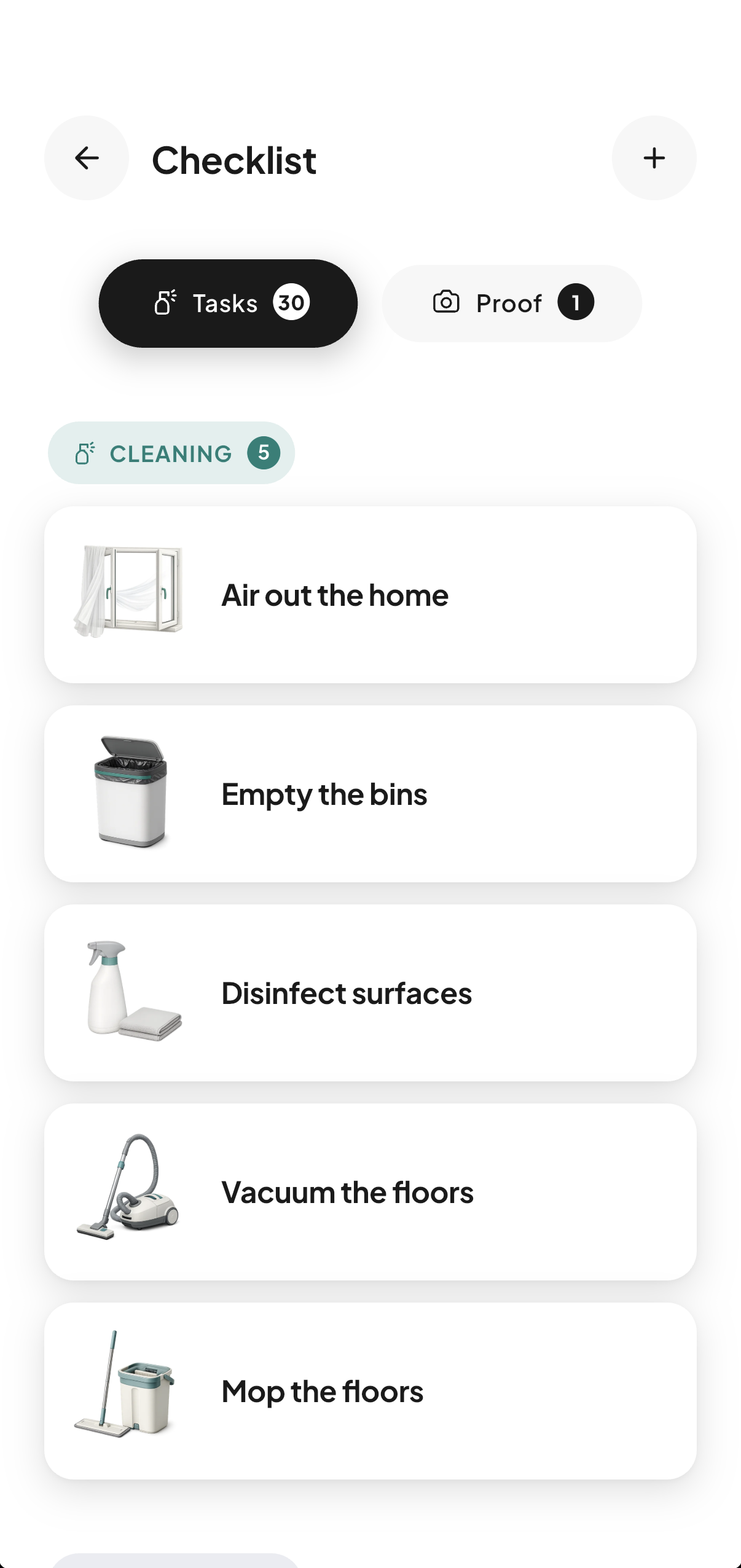
An annotated neighbourhood map, a laminated page in the welcome booklet, or business cards from local artisans: paper has an emotional impact that digital can’t match. It’s browsed over breakfast, slipped into a bag. The obvious downside: it’s hard to update and can’t be checked before arrival.
Digital format: accessible even before check-in
A digital welcome guide (web page, PDF, dedicated app) lets you send your recommendations before arrival, just as guests are planning their stay. And the effect is proven: according to a 2025 Touch Stay study, 78.4% of guests say a professional digital welcome guide would increase their confidence, and 77.4% say a complete guide would positively influence their review (Touch Stay). Most striking: the same survey, among 1,365 hosts, found that only 35.3% use a digital guide: a huge opportunity to stand out. To set one up without losing a weekend to it, our partner StyQR builds a digital welcome book reachable by QR code, placed in the property and sent ahead of arrival.
On the platform side, use the built-in tools: Airbnb offers neighbourhood guides linked to your listing, visible before booking (details in the Airbnb Help Centre), and Booking.com encourages partners to enhance the on-site experience via its Partner Hub. These public guides are also a conversion tool before booking.
The winning combo: a complete digital guide sent a few days before arrival (ideally included in your template messages, see Guest Communication: 8 Ready-to-Use Message Templates), plus a short paper version in the property with your 10 favourite addresses.
Local partnerships: take your concierge service up a level
This is the step almost no one takes, yet it’s simple: offer the businesses you already recommend a small perk just for your guests. A free coffee, 10% off bike hire, a complimentary aperitif at a restaurant. The business gets quality customers all year, your guests feel like VIPs, and it costs you nothing.
The approach in three steps:
- Start with your regular placesWhere they know you. Give concrete numbers: “I host around 80 guests a year, and I already recommend you.”
- Keep it simpleA code or phrase (“we’re here on behalf of…”), a few business cards or flyers in the property, and a quick catch-up together every quarter.
- Track itAsk your partner how many guests have come. If a partnership isn’t bringing results, replace it.
The local economic impact is real: short-term rentals generated €43 billion in France in 2023 and support over 360,000 jobs, mostly in local shops (PriceLabs). You’re bringing real customers, not asking for a favour. For multi-property management companies, this local network even becomes a selling point for owners.
Tailor your recommendations to your guests’ profile
A single list for everyone is good. A tailored list is what gets the “wow” reaction. Three simple questions before arrival (reason for the trip, who’s coming, first visit or not) are enough to personalise:
- Families: restaurants with high chairs, parks and playgrounds, rainy day activities, pharmacy and on-call paediatrician.
- Couples: romantic table, sunset viewpoint, wine bar, walk for two.
- Business travellers: quiet café to work in, restaurant that provides receipts, dry cleaner, day gym pass.
- Guests without a car: everything within 15 minutes’ walk or by public transport, with the last bus times.
In practice, create a base guide + profile-specific sections to add depending on the booking: thirty minutes’ prep once, ten seconds to adapt for each stay. These targeted recommendations work hand in hand with thoughtful touches (25 little touches that transform your guests’ stay).

Keep your guide up to date (or it will backfire)
Nothing kills your credibility faster than a guest crossing town to find a restaurant permanently closed. A recommendations guide is a living product:
- Quarterly review: opening hours, closures, change of owner. Allow 20 minutes per quarter.
- Seasonal update: beaches and ice cream shops in summer, Christmas markets and cosy restaurants in winter. Two versions of the guide are enough.
- Guest feedback loop: in your post-stay message, ask “any place to add or remove?” Your guests are your best testers.
- Involve your on-the-ground team: your cleaners are in the neighbourhood every week and spot closed shutters or new bakeries. Add a “check recommendations display (clean, complete, up to date)” item to your end-of-clean checklist: a dog-eared guide gets flagged in a photo, and you can fix it before the next arrival.
This last point is the missing link for most remote hosts: the paper guide gets tatty, flyers run out, and no one notices until a guest mentions it, in a public review. Your recommendations are part of the property, just like a complete welcome booklet (Local recommendations: the guide that delights your guests).
In summary: become the best reason to come back
A well-built local recommendations guide takes a few hours once, then 20 minutes per quarter, and it works for you every stay: confidence before arrival, memorable experience on site, reviews that mention your places. Tried-and-tested selection, digital + paper format, win-win partnerships, profile-based personalisation: you’ve got the method.
All that’s left is to make sure everything is spotless and in place for every arrival. With cleanclac.com, your cleans are scheduled automatically for every booking thanks to iCal sync, and your photo checklists let you remotely check that the booklet, neighbourhood map and partner flyers are clean, complete and up to date, before the next guest walks through the door.
Your questions
How many local recommendations should you include in your guide?
Between 15 and 25 addresses, split into clear categories (restaurants, groceries, activities, practical). More than that and you’re recreating a directory no one reads. Each place should have a personal note, walking distance, and a practical tip (closed days, booking). A curated selection is better than trying to be exhaustive.
Is it better to have a paper guide or a digital booklet?
Both, with different roles. Digital can be sent before arrival, is always up to date, and reassures guests: 78.4% say a professional digital guide would boost their confidence (Touch Stay, 2025). Paper creates a personal touch in the property. Short version printed on site, full version online: that’s the most effective format.
How do you offer a partnership to a local business?
Start with the places you already recommend and where they know you. Share your volume (number of guests per year), suggest a simple perk (free coffee, small discount), and a way for guests to identify themselves (“on behalf of…”). Review quarterly: a partnership should bring measurable visits for both sides.
Should you put your recommendations in your Airbnb listing?
Yes, partly. Airbnb lets you link a neighbourhood guide to your listing, visible to guests: it’s a conversion tool before booking. But keep your best places and partner perks for the full guide sent after booking, it’s a bonus for the stay, not a public selling point your competitors can copy.
How often should you update your local recommendations?
A full review every quarter (20 minutes is enough) and a seasonal update twice a year. Between reviews, rely on your cleaners, who are in the area every week, and on guest feedback after their stay. One closed or disappointing place can discredit the whole guide.
Do local recommendations really improve reviews?
Yes, measurably: 55% of guests expect advice about the neighbourhood and 51% expect restaurant recommendations (Booking.com), and 69% say host communication quality influences their likelihood of leaving a positive review (Touch Stay). Hidden gem addresses are among the most frequently mentioned elements in 5-star reviews.

Written by Janik
Published on August 7, 2026 · Updated on August 23, 2026
Read next
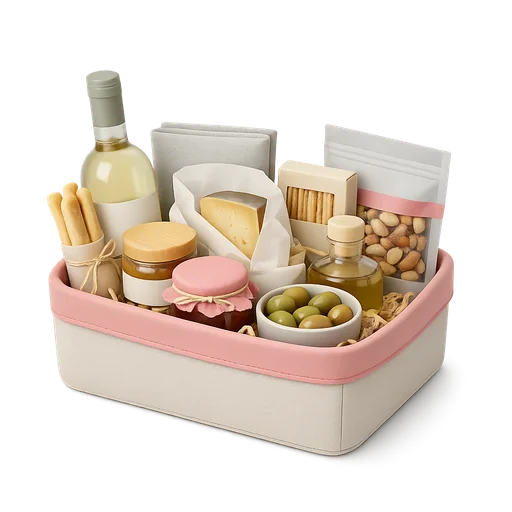 25 little touches that transform your guests’ stay25 little touches, sorted by budget (£0, under £5, under £20), to impress your Airbnb guests and earn more 5-star reviews.Guest experience
 Self check-in: key safe or smart lock?Key safe, smart lock, secure box: comparison of self check-in solutions, security, costs, and coordination with cleaning teams.Guest experience
 Welcoming Families with Children in Short-Term RentalsCot, safety, toys, family-friendly listing: the complete guide to welcoming families with children and earning 5-star reviews.
Move from theory to practice.
One property free to put all of this in place, for as long as it takes.