
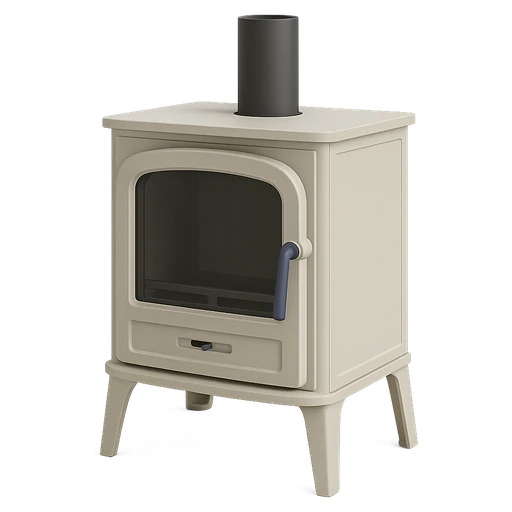
Fireplace and wood stove in holiday lets: cleaning and safety
Emptying ashes, cleaning a stove glass, managing wood and pellet stocks, and the legal requirement for chimney sweeping: the practical guide to wood heating.
A fireplace is a powerful selling point and the only feature in a holiday let that can actually cause a fire. Between the two, there’s a simple cleaning routine, a legal obligation many hosts ignore, and a wood stock to manage. This guide covers wood heating from a cleaning perspective: what needs doing each visit, what’s monthly, and what isn’t your responsibility.
What to do, and when
| Task | Frequency | Key point |
|---|---|---|
| Clean the fireplace | Monthly | Ashes cold for at least 48 hours |
| Clean the wood stove | Monthly | Glass and door seal |
| Restock wood | Every clean | Dry wood only |
| Restock pellets | Every clean | Keep bag dry, never on the floor |
| Chimney sweeping | 1 to 2 times a year | By a professional, with certificate |
Ashes: the 48-hour rule
Ashes can stay hot and smouldering for several days under a seemingly cold layer. Tipping a bucket of ashes into a plastic bin is a classic fire starter, and it always happens after the guest leaves, when no one is around.
The procedure, no exceptions:
- Never empty ashes less than 48 hours old.If the last fire was only yesterday, leave them and note it for the next visit.
- Use a metal bucket with a lidNever a bag or plastic bucket.
- Store the bucket outsideOn a non-combustible surface, well away from any wooden wall, for several days before final disposal.
- Always leave a two to three centimetre bed of ashIn the bottom of the stove: it protects the base and improves combustion. Never empty it completely.
A standard vacuum cleaner is not suitable: fine ash passes through the filter and a live ember will destroy the machine. You need a dedicated ash vacuum, and only ever on cold ashes.
Stove glass: clean with what’s inside
A blackened glass is the first visual sign of a neglected stove, and it cleans up with what’s already in there.
- Dampen some newspaper or kitchen roll.
- Dip it in the cold white ashFrom the stove.
- Rub the glass in small circles.The ash is a gentle abrasive that lifts soot without scratching the glass.
- Wipe with a clean damp paper, then dry.
No shop-bought product does better, and none is cheaper. Take care not to get ash slurry on the braided door seal: it will soak up the damp ash and lose its seal. Check this seal as you go, it needs replacing every two to three years and is vital for a good draw.
Rapid blackening of the glass is not a cleaning issue but a combustion one: damp wood, poor draw, or a smouldering fire. Fix the cause, not the symptom.
Wood: only one thing matters, moisture
Wood that’s too damp clogs the flue, blackens the glass, burns poorly and produces carbon monoxide. The only thing that counts is the moisture content, below 20%. A moisture meter costs a few tens of pounds and settles any argument with a supplier.
Three clues without a meter: dry wood is lighter than it looks, it rings clearly when you knock two logs together, and it has star-shaped cracks at the ends.
For the property’s stock:
- Outside, under a ventilated shelter, raised off the ground, never fully covered with a tarp, which would trap moisture.
- Inside, only a two or three day supply in the basket by the fire. A big indoor stock brings in insects and damp.
- Top up the basket every clean, with firelighters and matches. A guest arriving on a winter’s night to an empty basket won’t light a fire, and you’ll lose the very feature that made them book.
For pellets, storage is even more sensitive: they swell and break down at the slightest hint of damp. Keep the bag sealed, on a pallet or shelf, never directly on a concrete floor.
Chimney sweeping: a requirement, not a choice
Chimney sweeping is compulsory, the occupant’s responsibility, with one or two visits a year depending on local regulations and appliance type. The professional provides a sweeping certificate, which your insurer will demand if there’s ever a claim. Without it, cover may be refused.
In holiday lets, it’s up to the owner to arrange and keep these certificates: a guest will never organise a sweep. The current rules are available on Service-Public.fr.
Two other devices complete the setup, and both are inexpensive: a carbon monoxide detector in the room with the fire, and the mandatory smoke alarm, whose batteries should be checked like everything else, as detailed in Wifi, hot water, batteries: pre-arrival checks that matter.
What to write in the welcome book
A guest lighting a fire for the first time is a real risk. Three lines are enough: open the air vent before lighting, never burn treated wood, cardboard or glossy paper, and don’t fully close the air supply to make the fire last, as this clogs the flue and produces carbon monoxide.
Your questions
Can you empty the stove ashes at every clean?
Only if the last fire was more than 48 hours ago. Ashes can stay hot for several days under a cold surface. Use a metal bucket with a lid, stored outside on a non-combustible surface, and always leave two to three centimetres of ash in the bottom of the stove.
How do you clean a blackened wood stove glass?
With dampened newspaper dipped in cold white ash from the stove, rubbed in small circles. The ash is a gentle abrasive that lifts soot without scratching the glass. Avoid soaking the braided door seal, which would lose its airtightness.
Is chimney sweeping compulsory in holiday lets?
Yes, once or twice a year depending on local regulations and the appliance type. The professional provides a sweeping certificate, which your insurer will require if there’s a claim. In holiday lets, it’s up to the owner to arrange and keep the certificates.
How do you know if the wood is dry enough?
Moisture content must be below 20%. A meter costs a few tens of pounds and gives a clear answer. Without one: dry wood is lighter than it looks, rings clearly when two logs are knocked together, and shows star-shaped cracks at the ends.
Where should pellets be stored in a holiday let?
Absolutely dry, bag sealed, on a pallet or shelf, never directly on a concrete floor which draws up moisture. Pellets swell and break down at the slightest contact with water, and a damaged bag will jam the stove’s feed screw.
Should you leave wood for guests?
Yes, a two or three day supply in the basket by the fire, topped up at every clean, with firelighters and matches. It’s often the fireplace that made them book; an empty basket on a winter’s night cancels out the whole selling point.
Read next
 Complete Airbnb Cleaning Checklist: Never Miss a SpotRoom-by-room Airbnb cleaning checklist: optimal order, commonly missed spots, final checks. The method for a spotless property at every turnover.Cleaning tips
 Clean an Airbnb in 1 Hour Flat: The MethodMinute-by-minute method to clean an Airbnb in 1 hour: room order, equipment, timing per area and pro tips to keep to the clock.Cleaning tips
 15 essential cleaning products for short-term rentalsComplete cleaning kit for your Airbnb: the 15 must-have products, their specific uses, annual budget, and where to store them in your property.
Move from theory to practice.
One property free to put all of this in place, for as long as it takes.