
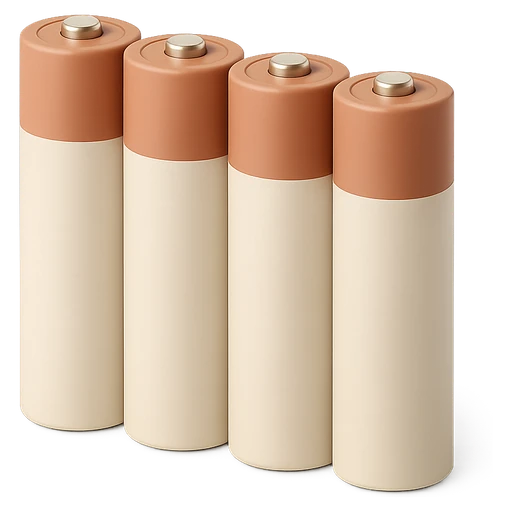
Wifi, hot water, batteries: pre-arrival checks that matter
Technical checks during a short-term rental clean: testing wifi, hot water, batteries and detectors, and why they prevent most evening guest calls.
Most messages a host receives on the first evening are about just three things: the wifi not working, the water staying cold, and a device with dead batteries. These three problems have one thing in common: all could have been spotted during the clean, in under five minutes, by someone already on site. This guide lists the technical checks worth doing, and how to do them quickly.
What to check, and when
| Check | Frequency | Time |
|---|---|---|
| Check the wifi | At every clean | 1 minute |
| Check hot water | At every clean | 1 minute |
| Check batteries | At every clean | 2 minutes |
| Recharge devices | At every clean | During the clean |
| Reset clocks | At every clean | 1 minute |
| Smoke detector | Monthly | 1 minute |
Wifi: actually test it, don’t just look at the router
A router with green lights means nothing: the network might be up but the internet down, or the password changed after an engineer visit.
The one-minute test that matters: connect your phone to the property’s wifi, turn off mobile data, and open a web page. This is the only way to replicate what your guest will do.
Three tips:
- Test from the furthest room, not next to the router. If the wifi doesn’t reach the back bedroom, as far as the guest is concerned, it doesn’t work.
- Check that the network name and password displayed in the property are still correct. After a router swap, they often aren’t, and nobody remembers to update the little card.
- Restart the router if the speed is unusually slow, at the start of the clean: it’ll be back up before you leave.
Display the login details clearly, in a fixed spot, and offer a QR code for easy connection: half of first-night questions will vanish.
Hot water
The test: turn on the hot tap in the kitchen and every bathroom, and let it run for thirty seconds. You check three things at once: hot water production, water pressure, and that there’s no air in the pipes causing the tap to splutter.
Two extra habits for rarely used properties:
- Run every tap and shower, even those never used. This refills the traps to prevent smells, and also improves water quality by flushing out stagnant water in dead ends.
- Check the hot water tank’s set temperature if you can. Too low encourages bacteria, too high risks scalding and faster limescale build-up.
Batteries and charging
Batteries should be checked at every clean, but above all they should be replaced before they die, not when they’re flat.
The full round:
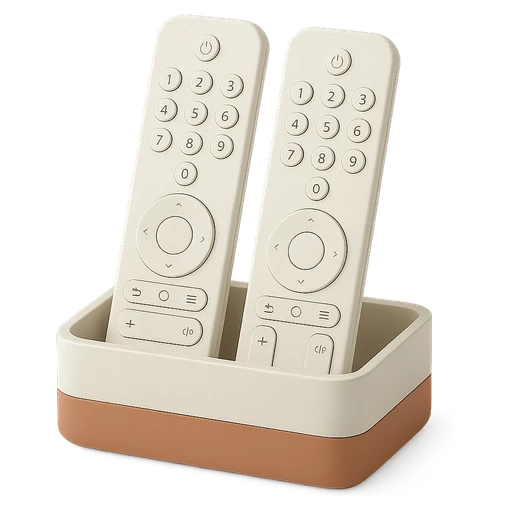
Remotes
TV, router, air conditioning, fan, soundbar.
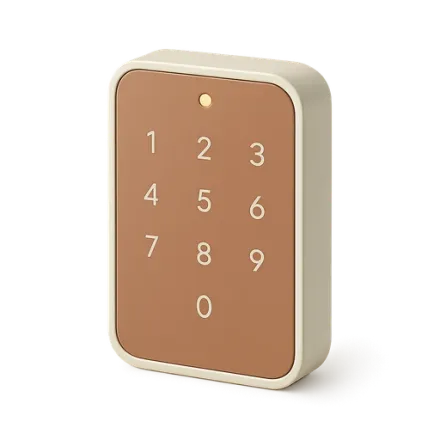
Smart lock or code key safe
The most critical of all: a dead battery means the guest is locked out. Many models warn of low battery weeks in advance, but only if you check.
Smoke detector
Whose low-battery beep in the night is a classic way to ruin a stay.
Scales, thermometer, night light
Depending on your kit.
Keep a stock of new batteries in the property, in the same drawer as the rest. And plug in anything that needs charging at the start of the clean: cordless vacuum, speaker, digital guide tablet. They’ll charge while you work.
Clocks: the detail that dates a property
An oven flashing 00:00, a microwave an hour slow, a clock radio stopped: all three tell the guest the same thing, that nobody really looks after this place. Yet it’s usually just a power cut or the clocks going forward or back.
The round, one minute:
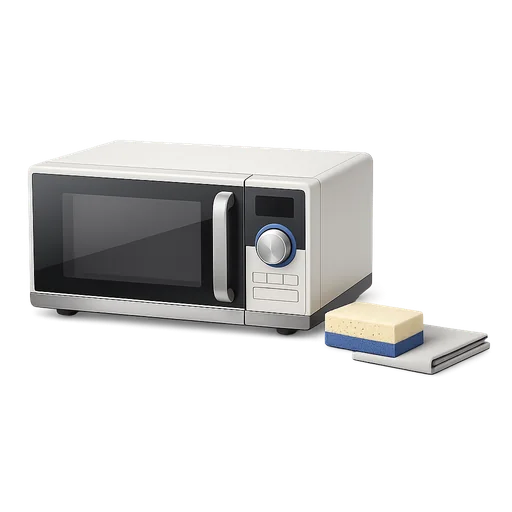
Oven and microwave
The two most visible as they display constantly in the busiest room.
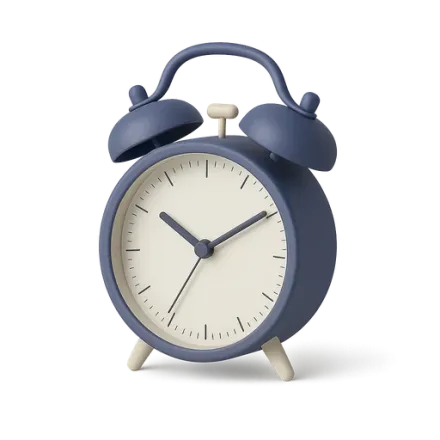
Clock radio in every bedroom
Including its alarm, which a previous guest may have set for 6am.
Programmable thermostat
As a wrong clock throws off the whole heating schedule.
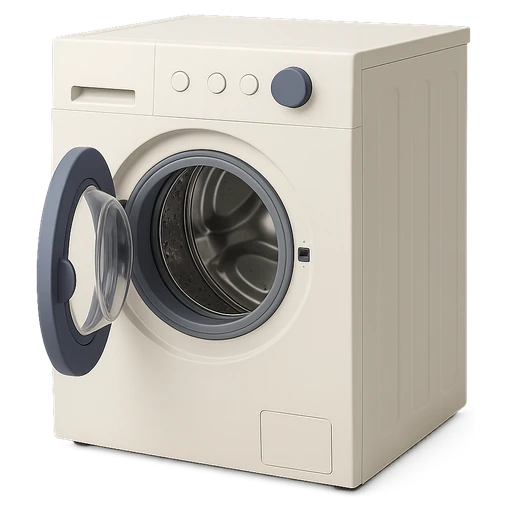
Washing machine and dishwasher
If they have a delayed start.
This becomes essential after every power cut and at the two clock changes, in March and October. Mark these two dates as a property deadline: they’re the only days of the year when every clock in your portfolio is wrong at once.
Detectors: a legal requirement
A certified smoke detector is required by law in every home, including holiday lets, and both installation and maintenance are the owner’s responsibility for short-term lets. The rules are available at Service-Public.fr.
The test takes ten seconds: press the button, you should hear a clear signal. Do this once a month, and note the date, because it’s exactly the sort of thing you think you’ll remember but won’t.
Add a carbon monoxide detector in any property with a fireplace, stove, boiler or gas water heater. It’s not required everywhere but costs little, and it’s the only way to detect this odourless gas.
The three-minute round
These checks can all be done in one go, at the end of the clean, in this order:
- Wifi testedFrom the furthest room, with mobile data off.
- Hot waterRun at every tap and shower.
- All remotes triedJust press a button.
- Detector testedIf it’s the monthly check.
- Charged devices unpluggedAnd put away.
Anything not working should be reported immediately with a photo, not left for later: a problem flagged the same day can be fixed before arrival, a problem flagged the next day gets fixed after the guest’s message.
Your questions
How do you properly test a rental’s wifi?
Connect your phone to the property’s wifi, turn off mobile data and open a web page, from the furthest room from the router. Green lights mean nothing: the internet may be down or the password changed after an engineer visit.
What should you check about hot water before guests arrive?
Turn on the hot tap in the kitchen and every bathroom for thirty seconds. You check production, pressure and that there’s no air in the pipes. Also run taps and showers that are rarely used, to refill the traps.
Which batteries should be checked at every clean?
Those in remotes, the smoke detector, and especially the smart lock or code key safe: a dead battery locks the guest out. Replace before they’re flat, and keep a stock of new batteries in the property.
Is a smoke detector compulsory in a holiday rental?
Yes, as in any home, and both installation and maintenance are the owner’s responsibility in a holiday let. Test it monthly by pressing the button, and note the date: it’s the sort of thing you think you’ll remember but won’t.
Do you need a carbon monoxide detector?
It’s not required everywhere, but it’s essential in any property with a fireplace, stove, boiler or gas water heater. Carbon monoxide is odourless: there’s no other way to detect it, and the device costs just a few pounds.
Should you reset clocks between stays?
Yes, it’s a detail that instantly dates a property: an oven flashing 00:00 or a microwave an hour slow tells the guest nobody cares. The round takes a minute and is essential after a power cut and at the two clock changes.
What should you do if a check fails during the clean?
Report it immediately, with a photo, rather than leaving it for later. A problem flagged the same day can be fixed before arrival; the same problem discovered by the guest becomes an evening message, an urgent callout and often a goodwill gesture.
Read next
 Bathroom Consumables: What to Leave and How MuchToilet paper, soap, shower gel, shampoo, toothpaste: quantities per guest and per night, choosing dispensers or individual bottles, and the regulations.Checklists and quality
 Kitchen Consumables: The Complete Holiday Let ChecklistWashing-up liquid, dishwasher tablets, sponges, bin bags, kitchen roll, coffee filters: what you really need to leave in a holiday let kitchen, and in what quantity.Checklists and quality
 Dosing Consumables: The Method That Prevents Running OutCalculate quantities per guest and per night, set an alert threshold, size the buffer stock and the cleaner's kit: the complete method.
Move from theory to practice.
One property free to put all of this in place, for as long as it takes.