15 essential cleaning products for short-term rentals
Complete cleaning kit for your Airbnb: the 15 must-have products, their specific uses, annual budget, and where to store them in your property.
A guest checks out at 11am, the next arrives at 3pm, and your cleaner discovers there’s no degreaser or bin bags left. Result: a dash to the supermarket, a rushed clean under pressure, and a real risk of a bad review. In short-term rentals, your cleaning kit isn’t just a detail: it’s the key to a fast, thorough, and consistent clean. Cleanliness is actually the number one factor for 81% of guests when choosing accommodation (Hospitable / AHLA) · what’s in your cleaning cupboard directly impacts your bookings.
Here’s the tried-and-tested kit: 15 products, their uses, the annual budget, and the right way to store them in your property.
Why a standardised kit changes everything
Many hosts let their cleaner choose products, or just use whatever’s under the sink. That’s a mistake for three reasons.
First, consistency of results: using the same products every time means the cleaning routine is repeatable, even if one cleaner replaces another at short notice. Next, time: cleaning a one-bedroom flat takes about 60 minutes in good conditions · hunting for missing products quickly throws off the schedule. Finally, the business impact: listings with 5-star cleanliness ratings are booked about 25% more often (Smoobu). A complete, always-stocked kit is the foundation of that rating.
The golden rule: an identical kit for each property, stored on site, never carried from one place to another (risk of forgetting, breakage, and cross-contamination).
The 8 basic products: the foundation of every clean
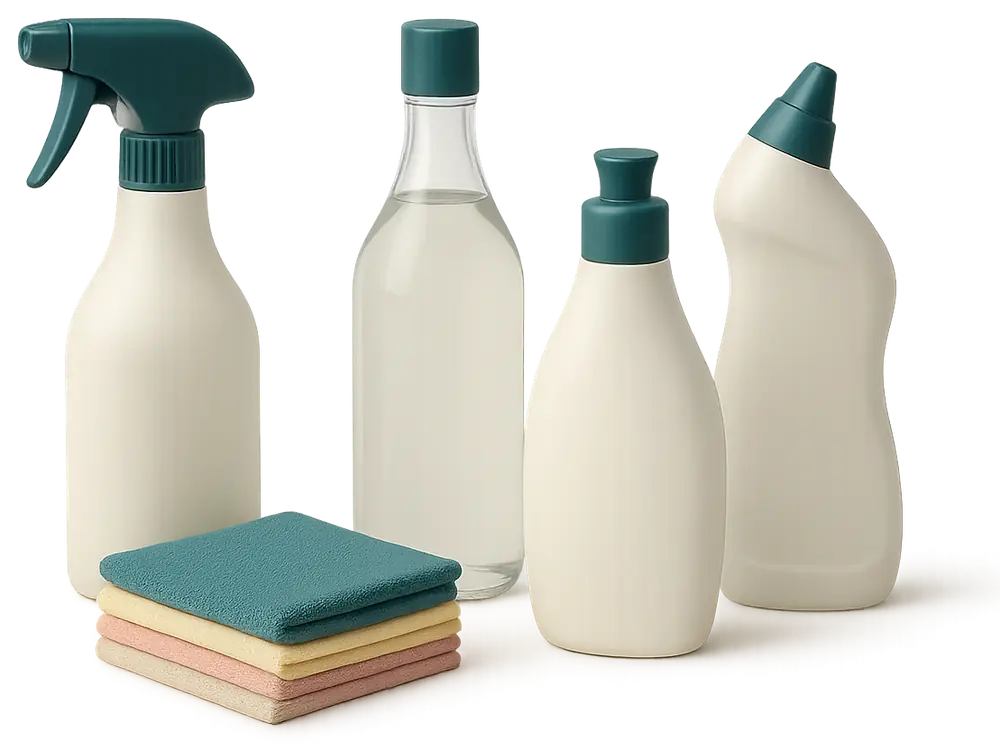
These eight products are used for every clean, without exception.
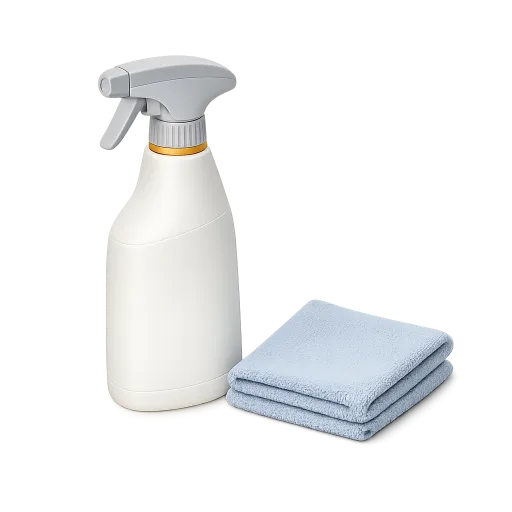
Multi-purpose cleaner
Worktops, tables, light switches, handles. One spray for the whole property: no confusion for the cleaner.
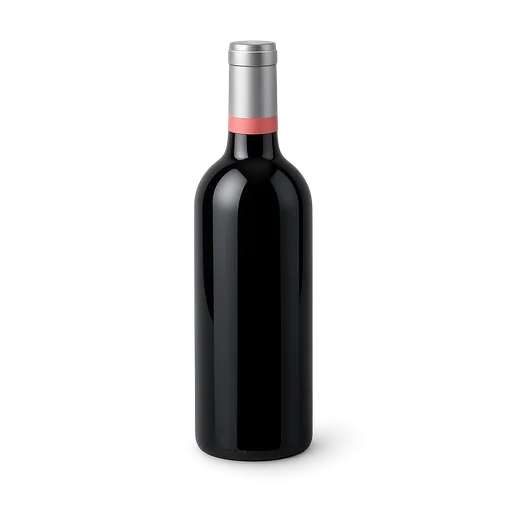
White vinegar (8 to 14%)
The universal limescale remover: taps, shower screens, kettle, sink. About £1 per litre, the best value in the kit.
Kitchen degreaser
Hobs, splashbacks, extractor hood, oven and microwave. Multi-purpose spray isn’t enough for cooked-on grease.
Toilet gel with bleach or descaler
Bowl and rim, leave to work while cleaning the rest of the bathroom.
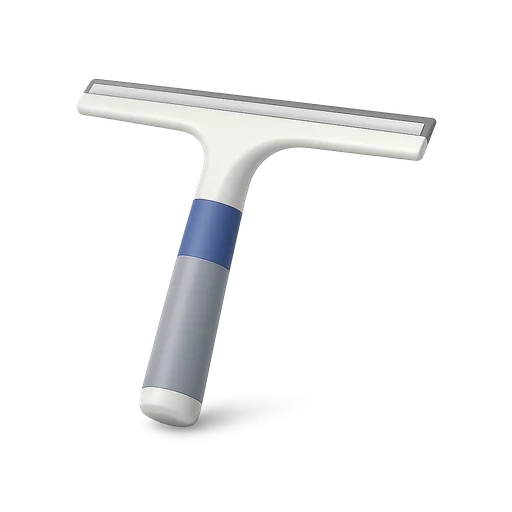
Glass and mirror cleaner
Streaks on a mirror are one of the first things guests notice.
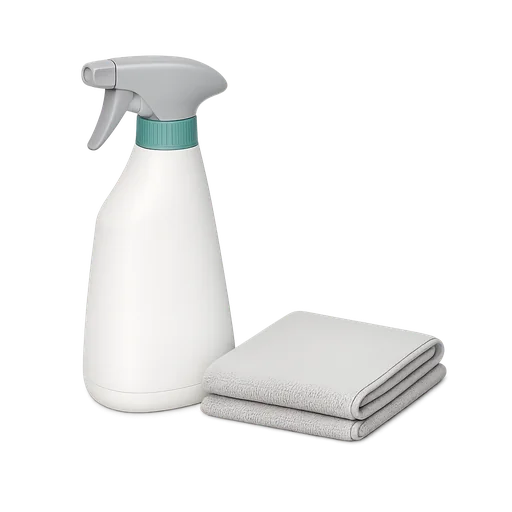
Disinfectant for touch points
Handles, switches, remotes, taps. This is step 3 of Airbnb’s 5-step enhanced cleaning protocol, with a required contact time (Airbnb Help Centre).

Washing-up liquid + dishwasher tablets
For forgotten dishes... and to leave as a welcome consumable.
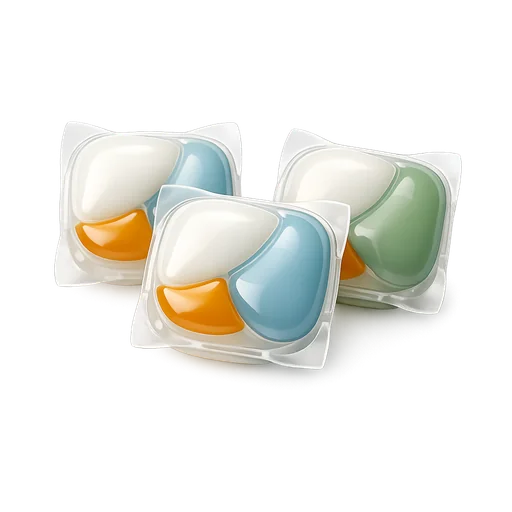
Laundry detergent (60°C)
Sheets and towels should be washed at 60°C, the temperature that kills dust mites and bacteria according to hotel standards (Direct Hôtellerie). Choose a detergent effective at this temperature, without overpowering fragrance.
For a room-by-room cleaning order, use a structured checklist: Complete Airbnb Cleaning Checklist: Never Miss a Spot details the points never to miss between guests.
The 7 products and accessories that make the difference
The next seven aren’t needed every time, but you’ll regret not having them when you do.
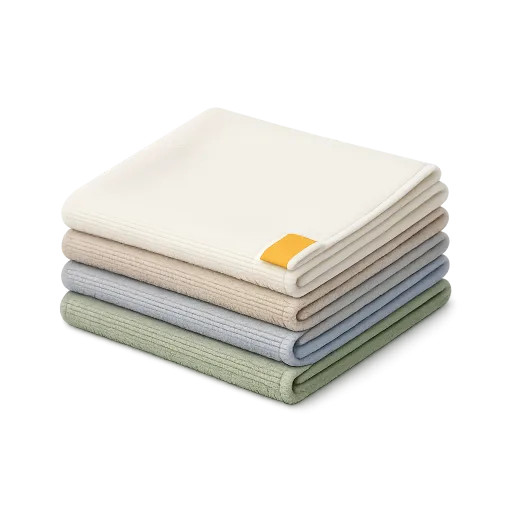
Microfibre cloths, 4-colour code
Blue for general surfaces, red for toilets, yellow for the bathroom, green for the kitchen. This hotel-inspired code stops the toilet cloth being used on the worktop. Allow 8 to 12 cloths per property.
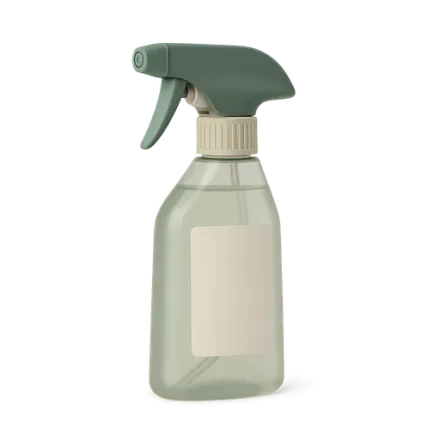
Fabric stain remover
Makeup on pillowcases, wine on the sofa. Without it, you’re replacing linen.
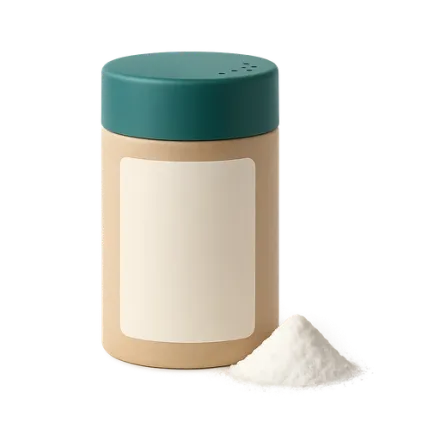
Bicarbonate of soda
Natural deodoriser for mattresses, sofas, fridge and drains, and a valuable ally against stubborn smells.
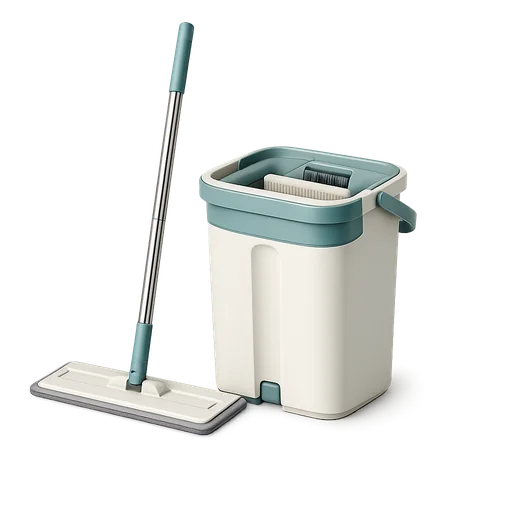
Floor cleaner suited to your surfaces
Tile cleaner or gentle soap for oiled wood: the wrong product will dull floors in a few months.
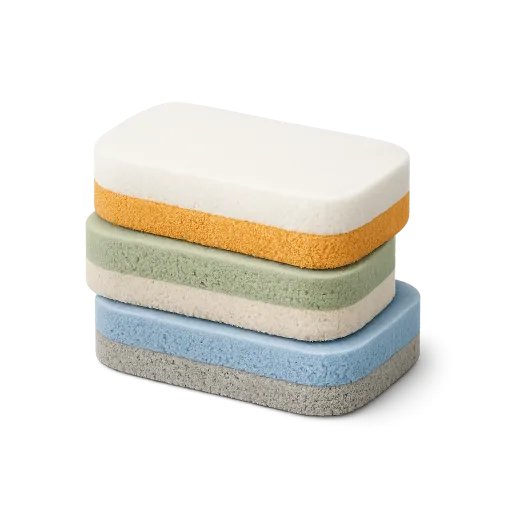
Double-sided sponges + non-scratch scourer
Replace often: a worn sponge harbours bacteria and scratches stainless steel.

Cleaning gloves + spare pair
Basic protection, especially with bleach products.
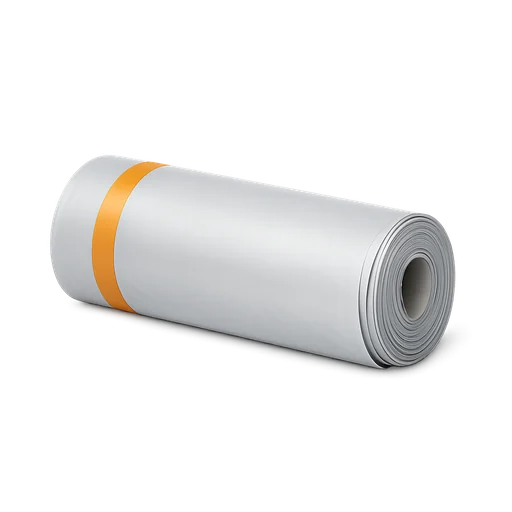
Bin bags in the right sizes
Exactly matching your bins. Missing bags are the most common... and most obvious oversight for the next guest.
Add to this the durable equipment (vacuum cleaner, flat mop, mop bucket, window squeegee, telescopic duster): a one-off investment per property, to be checked at every clean.
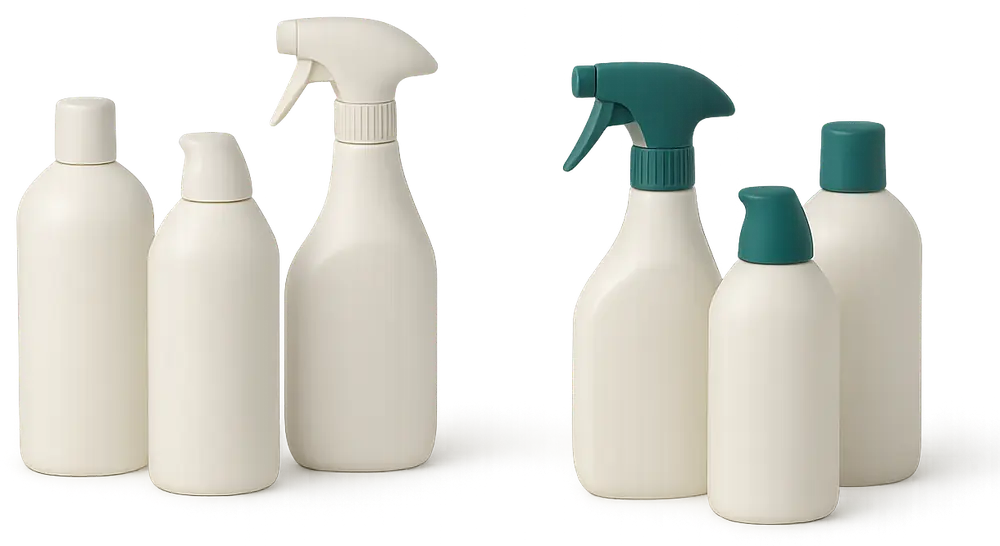
What annual budget should you allow for products?
Good news: this is one of your lowest running costs. As a professional benchmark, cleaning an 80m² commercial space uses £1,000 to £1,200 per year in chemicals (detergents, disinfectants, cleaning products) for daily intensive use (L'Hôtellerie Restauration).
A short-term rental is cleaned far less often than a space open every day. For a regularly let one-bedroom flat, allow:
- Kit consumables: about £15 to £25 per month, or £200 to £300 per year;
- Accessory replacement (microfibres, sponges, gloves): about £50 to £80 per year;
- Durable equipment (vacuum, mop, bucket, squeegee): £100 to £200 initial investment.
Three ways to optimise: buy basics in family size or 5L containers, standardise the same products across your whole portfolio (bulk buys, no orphan products), and replace some specialist sprays with the trio of white vinegar + bicarbonate + black soap, the approach detailed in Eco-friendly cleaning in short-term rentals: a guide.
This budget is tiny compared to the cost of poor cleanliness: lack of cleanliness is among the top three complaints in short-term rentals, cited by 33% of guests (ConsumerAffairs).
Where should you store products in the property?
Storage is most hosts’ weak point: products scattered under the sink, accessible to guests’ children, or worse, missing on changeover day. Three simple rules.
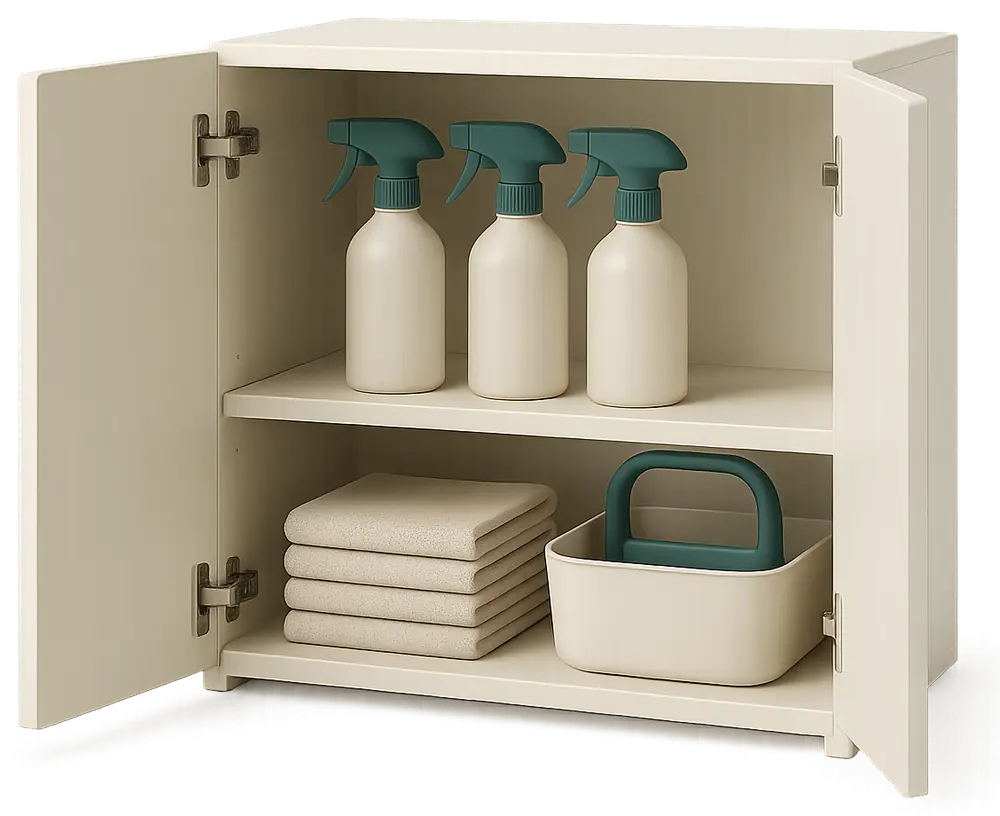
1. A dedicated, lockable space. Ideally: a lockable cupboard, a utility room or an opaque box up high. Cleaning products should never be accessible to children: they’re a leading cause of household poisoning, and ANSES reminds us of the precautions for using and storing biocidal products. If you host families, this is non-negotiable.
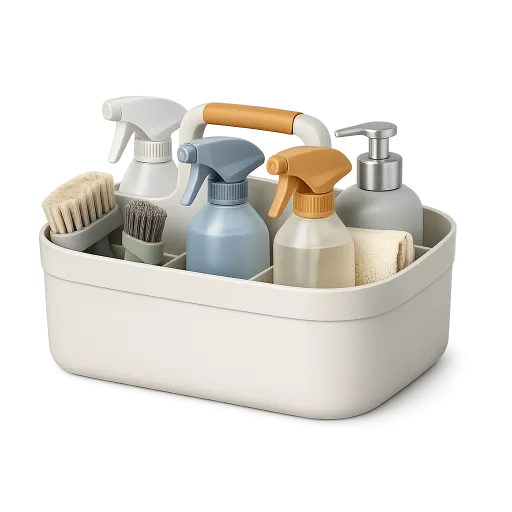
2. Everything in one portable container. A box or trolley holding all 15 products lets you move from room to room without back-and-forth, a real time-saver for a speedy clean, as in the Clean an Airbnb in 1 Hour Flat: The Method method.
3. A visible restock level. Set a minimum stock per product (never less than one spare multi-purpose spray, 10 bin bags, 1L vinegar) and display the list on the cupboard door. The cleaner flags anything below minimum at the end of each clean, ideally with a photo of the cupboard in their checklist, so you can trigger a restock remotely.
Mistakes to avoid with your cleaning products
Four pitfalls come up again and again for hosts:
- Mixing products. Bleach + vinegar (or any acid) releases toxic chlorine fumes. Only use one product at a time, and ventilate.
- Overdosing. More product doesn’t clean better: sticky residues, streaks, chemical smells that guests interpret as “covering up”. Stick to the recommended doses, especially for floors.
- Choosing harsh fragrances. A strong bleach smell says hospital, not hospitality. A clean property smells... clean.
- Ignoring environmental impact. Official eco-labels guarantee effectiveness and lower impact; ADEME publishes reliable guides on green cleaning and which labels to look for. It’s also a selling point guests appreciate.
Make the kit a systematic check
A perfect kit on day one is useless if it runs out over time. Treat it as a checklist item in its own right, just like the bed or bathroom:
- at the end of each clean, the cleaner ticks off the stock check and takes a photo if anything is running low;
- the host or management company triggers a restock before the next changeover;
- once a quarter, a full inventory removes any non-kit products and checks the condition of durable equipment.
This approach eliminates last-minute surprises, and protects your rating: a cleanliness score dropping below 4.8 can cost about 20% of bookings. Restocking a £3 spray has never been so profitable.
The kit is ready, but it needs to stay that way
A well-thought-out kit of 15 products, stored in the right place and restocked on time: that’s what separates an improvised clean from a professional one. With Cleanclac, you can integrate stock checks directly into your cleaners’ photo checklists: at the end of each clean, you see the cupboard’s status remotely and trigger a restock before it’s too late. Discover cleanclac.com and turn your changeovers into a no-surprises routine.
Your questions
Which cleaning products should you leave out for guests?
Keep the cleaner’s kit (stored out of reach) separate from the guest mini-kit: washing-up liquid, new sponge, dishwasher tablets, bin bags, dustpan and brush, and a multi-purpose spray. That’s enough for a typical stay and encourages guests to keep things tidy, without exposing your concentrated or bleach-based products.
Can you clean everything with white vinegar in a rental?
Almost, but not quite. Vinegar is excellent for limescale (taps, shower screens, kettle) and as a general cleaner. Avoid it on natural stone (marble, travertine) and some wood floors, and it doesn’t replace an approved disinfectant for touch points or a strong degreaser for the oven.
How often should you replace sponges and microfibre cloths?
Replace sponges every 2 to 4 weeks depending on changeover frequency, a worn sponge harbours more bacteria than it removes. Microfibres should be washed at 60°C after each cleaning day (no fabric softener, which clogs the fibres) and replaced as soon as they stop picking up dust, usually every 6 to 12 months.
What cleaning product budget should you allow for an Airbnb?
For a regularly let one-bedroom flat, allow about £200 to £300 per year for consumables (sprays, vinegar, laundry detergent, toilet cleaner), plus £50 to £80 for accessories (microfibres, sponges, gloves). For comparison, a commercial space of 80m² cleaned daily uses £1,000 to £1,200 of products per year: your product spend is very reasonable.
Do you need different products for each property if you manage several?
No, quite the opposite: standardise the same products across your whole portfolio. It simplifies purchasing (family sizes, bulk orders), staff training, and quality control. The only exception: floor cleaner, which should match each property’s flooring (tiles, oiled wood, vinyl).
Are eco-friendly products effective enough for professional cleaning?
Yes, for routine cleaning: white vinegar, bicarbonate, black soap and products with an official eco-label cover most needs for a changeover. Keep an approved disinfectant for touch points and a strong degreaser for the oven. ADEME’s guides help you spot genuine eco products from mere marketing.

Written by Janik
Published on August 7, 2026 · Updated on August 12, 2026
Read next
 Complete Airbnb Cleaning Checklist: Never Miss a SpotRoom-by-room Airbnb cleaning checklist: optimal order, commonly missed spots, final checks. The method for a spotless property at every turnover.Cleaning tips
 Clean an Airbnb in 1 Hour Flat: The MethodMinute-by-minute method to clean an Airbnb in 1 hour: room order, equipment, timing per area and pro tips to keep to the clock.Cleaning tips
 Eco-friendly cleaning in short-term rentals: a guideNatural products, reliable labels, real savings and a marketing edge: the guide to eco-friendly cleaning for your Airbnb or Booking rental.
Move from theory to practice.
One property free to put all of this in place, for as long as it takes.