

Tablecloths, napkins, tea towels: table linen for rentals
How many tea towels to provide, how to wash them separately, treat table stains, and manage the washing-up area: table linen in a rental.
8 min read
The tea towel is the dirtiest piece of linen in a property, and the least often replaced. It dries dishes, hands, worktops, sometimes even the floor when nothing else is to hand, and spends the stay hanging up, damp. A tea towel left from one guest to the next is the quickest route to a comment about hygiene. This guide covers kitchen and table linen: what to provide, how often to change it, and how to wash it without contaminating the rest.
What to change, and how often
| Item | Frequency | Reference quantity |
|---|---|---|
| Kitchen tea towels | At every clean | 2 to 3 per stay |
| Tablecloth | At every clean | 1 in use, 2 in reserve |
| Table napkins | At every clean | 1 per guest, if provided |
Everything is changed at every departure, including what looks unused. A folded tea towel in a drawer has spent the stay in a kitchen; it has absorbed odours, even if it was never used.
Tea towels: two uses, two colours
The classic mistake is a single tea towel for everything. Separate uses by colour, it is the only system that works without explanation:
- Dish tea towel, in linen or honeycomb cotton, low lint. It dries glasses and cutlery, nothing else.
- Worktop tea towel or cloth, in terry or microfibre, in a different colour. It wipes surfaces and hands.
Two to three tea towels per stay are enough, and six to eight in stock per property to keep up with the laundry rotation. Linen is the best choice for dishes: it does not shed, dries quickly, and ages well. Honeycomb cotton is a good budget compromise.
The detail that stands out: a clean tea towel, folded and hung on the oven handle or a rail, not rolled in a drawer. It is a visible sign of freshness as soon as you enter the kitchen. Decide once and for all on the location and colour, then write it in the task instruction: a replacement cleaner will then reproduce exactly the same presentation.
 Air the room
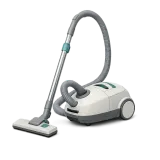 Vacuum the floors
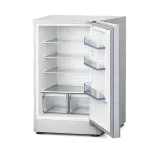 Clean the fridge
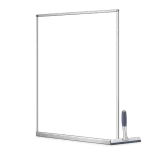 Clean the shower screen
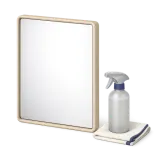 Clean the mirrors
Your notes, under each task
Rewrite the library tip with what you know about the property: your cleaner reads it right under the title.
More detailsThe cleaner’s cloths are not the guest’s tea towels
Another common but less visible confusion: the cleaner, lacking a cloth, wipes the worktop or floor with a guest tea towel, then folds it back in place. The next guest dries their glasses with it.
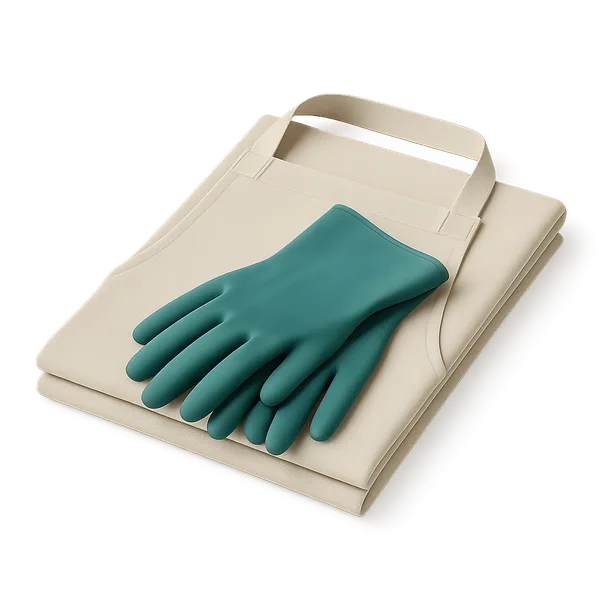
The solution is a storage rule: cleaning supplies are kept separately, in a cupboard or labelled box, with microfibre cloths in a colour never used for guest linen, cleaning gloves, and products. Clean tea towels stay in the drawer or linen reserve, and are only for the guest’s kitchen use.
In the task library, the two are distinct: “Change kitchen tea towels” on one side, “Restock microfibre cloths” and “Restock cleaning gloves” on the other, in the restocking section. Each is ticked off in its place, and no one grabs from the wrong drawer.
Washing, and the only rule that matters
Tea towels must never be washed with bath or bed linen. This is the most important rule in this guide, and the most often broken.
The reason is mechanical: tea towels carry food grease, which does not fully come out in the wash and redeposits on other fibres. A terry towel washed with tea towels turns grey and loses its absorbency in just a few cycles, exactly as if it had been softened.
The tea towel regime:
- Dedicated washOr at the very least with mops and cleaning cloths.
- 60°COr even 90°C occasionally for very soiled whites.
- No fabric softenerWhich reduces the absorbency of a tea towel just as it does a towel.
- Complete and rapid drying.A folded damp tea towel will smell musty overnight.
For a yellowed tea towel or one marked with old grease, soak for an hour in hot water with washing soda crystals before washing: this will recover what the machine alone cannot. The rest of the laundry process is detailed in Washing rental linen: temperatures and process.
The washing-up area around the tea towel
A clean tea towel next to a worn-out sponge or a dirty dish rack does not make up for anything. The guest judges the washing-up area at a glance, and judges the whole:
- A new sponge, placed dry next to the sink, never the one from the previous stay. The “Replace sponges” task is a reminder at every clean.
- A clean, dry washing-up brush and cloth, prepared by the sink: this is the “Prepare washing-up brush and cloth” task.
- A full washing-up liquid bottle, next to the sponge, rather than a nearly empty one.
- The dish rack empty, washed and dry, with no last plate from the previous guest.
Quantities, storage, and restocking of these consumables are detailed in the kitchen consumables checklist, and sink maintenance itself in the fridge, dishwasher and sink guide.
Tablecloths: offer with care
A fabric tablecloth dresses a table and looks good in photos, but it stains at the first meal and needs ironing. Three options, in order of robustness:
- No tablecloth at all, bare table with washable placemats. This is the easiest to manage with tight turnarounds, and shows off a nice table.
- Coated or quality oilcloth tablecloth, which wipes clean and does not go in the machine. The best durability/effort ratio for a family property.
- Fabric tablecloth, reserved for high-end rentals, with two spares in reserve and systematic ironing of the visible side.
If you offer fabric table napkins, allow one per guest, changed at every stay, and wash them with table linen, not tea towels: they touch the mouth.
Table stains: treat cold
Three stains cover most incidents on table linen, and all must be treated before machine washing, never after.
- Red wine: blot without rubbing, rinse thoroughly with cold water, then soak. Hot water sets the tannin.
- Grease and oil: sprinkle with Sommières clay or talcum powder, leave to absorb for an hour, brush off, then wash with a degreaser.
- Coffee and tea: cold water immediately, then soak. As with wine, heat sets the stain.
The common rule: cold first, heat later, never the other way round. A stain washed at 60°C without pre-treatment is a permanent stain.
The most common mistakes
- Tea towel rolled up damp in the drawer. It smells musty as soon as it is unfolded. A tea towel is stored dry and folded, or not at all.
- Table linen put back because it “was not used”. The guest has no way of knowing, and will assume the worst.
- Table napkin washed with tea towels. It touches the mouth: it goes with the table linen, not with what wiped up grease.
- No stock count. “There are tea towels in the cupboard” does not say if there are two or ten left. Write down the expected quantity, count it at each clean, and you will see shortages coming instead of suffering them.
- Table linen forgotten because “it only takes two minutes”. That is exactly why it must be on the checklist just like the sheets.
How much table linen to provide per property
| Item | In use | In reserve in the property |
|---|---|---|
| Dish tea towels | 1 to 2 | 4 to 6 |
| Surface cloths | 1 | 2 to 3 |
| Fabric tablecloth, if provided | 1 | 2 |
| Fabric table napkins | 1 per guest | 2 full sets |
These quantities assume a wash between cleans. If the linen goes to a laundry service, add one more set to cover the return delay.
Your questions
How often should tea towels be changed in a rental?
At every guest departure, without exception, even if they look clean. A tea towel has spent the stay hanging in a damp kitchen and has been used for everything from dishes to hands. Allow two to three tea towels per stay and six to eight in stock per property.
Can tea towels be washed with bath towels?
No, never. Tea towels carry food grease that redeposits on terry towels, turning them grey in a few cycles and ruining their absorbency. Wash tea towels in a dedicated load, or at the very least with mops and cleaning cloths.
What fabric should you choose for tea towels in a holiday let?
Linen for dishes: it does not shed, dries quickly, and withstands 60°C washes for years. Honeycomb cotton is a good budget compromise. Keep terry and microfibre for surfaces and hands, in a different colour to avoid mixing.
Should you provide a tablecloth in a short-term rental?
Not necessarily. A nice bare table with washable placemats is easier to manage and photographs very well. If you want a tablecloth, choose a coated one that wipes clean; a fabric tablecloth requires two spares and ironing at every changeover.
How do you recover yellowed tea towels?
Soak them for an hour in hot water with washing soda crystals, then run a cycle at 60 or 90°C with no softener. Yellowing is almost always due to a build-up of grease that normal washes no longer remove; a single soak is often enough to recover a whole batch.
How do you treat a wine stain on a tablecloth?
Blot without rubbing, rinse thoroughly with cold water, and soak before washing. Never use hot water or put the stain in the machine without treatment: heat sets the tannin and makes the stain permanent. Cold first, heat only afterwards.

Written by Janik Thoisy
Janik Thoisy manages short-term rentals day to day and shares her cleaning and organisation methods here.
Published on August 13, 2026 · Updated on November 8, 2026
Read next
 Change Bed Sheets in a Rental: 8-Minute Method, Linen CardChange bed sheets in a rental in 8 minutes: 7 steps, fitted sheet, duvet cover roll, how often to change linen, and a linen card for long stays.Linen and laundry
 Bath linen for rental: quantities, folding, and rotationTowels per guest, weight, sets to provide, folding, bathrobes, and signs of wear: the practical guide to bath linen in short-term rentals.Linen and laundry
 Washing rental linen: temperatures and processSorting, 60°C or 40°C, dosing, cycle duration, drying, ironing, laundry service: the complete linen process for a rental, with no odours or greying.
One property free to put all of this in place, for as long as it takes.