

How to Clean a Bathroom Like a Hotel: The Method
Clean a short-term rental bathroom to hotel standard: fixed order, limescale, grout, mirrors, common oversights and finishing touches that reassure guests.
11 min read
It's almost always the same scene: the guest drops their suitcase, glances at the living room, then heads straight to inspect the bathroom. A hair in the shower, a trace of limescale or a grimy seal, and trust collapses, even if the rest of the property is spotless. Hotels know this: the bathroom is where the perception of cleanliness for the entire establishment is decided. The good news: their protocols require neither industrial equipment nor dedicated staff. Here’s how to apply them, and how to make sure they’re followed even when you’re not the one holding the microfibre cloth.
Why the Bathroom Determines Your Cleanliness Rating
The figures are clear: 81% of guests rate cleanliness as their number one criterion when choosing accommodation (Hospitable / AHLA). And it’s in the bathroom where doubt creeps in: a rental bathroom contains around three times more bacteria than a hotel bathroom, and listings rated five stars for cleanliness are booked about 25% more often (Smoobu).
The financial impact is real: a cleanliness rating dropping below 4.8/5 costs around 20% fewer bookings. The difference between an amateur host and a “hotel-level” host isn’t time spent, but method, products, and finishing touches.
The Hotel Protocol: A Cleaning Order That Never Changes
In a hotel, a housekeeper doesn’t “do” the bathroom by feel: they follow a fixed order, based on three principles:
- Top to bottom: air vents, then mirrors and shelves, then sink and taps, then shower or bath, finally toilet and floor. Any splashes fall downwards: you never go over the same spot twice.
- Cleanest to dirtiest: the toilet always comes last, with dedicated cloths, to avoid any cross-contamination.
- Let products work first: limescale remover on the shower and toilet gel in the bowl as soon as you enter the room. Clean the rest while the products act (5 to 10 minutes), then rinse. This is the secret to fast, effective cleaning.
Letting products work and systematic checks are at the heart of the five-step enhanced cleaning protocol launched by Airbnb in 2020, still used as a reference (Airbnb Newsroom).
A colour-coded microfibre system completes the set-up: red for toilets, blue for sanitaryware, green for surfaces. Just a few pounds’ worth of microfibres will professionalise your cleaning, and that of your cleaners.
Limescale: The Daily Battle of Hotels (and How to Win It)
Limescale is enemy number one: it dulls taps, clouds glass and makes even new fittings look old. Hotels tackle it at every changeover, never as a catch-up.
- Taps and mixers: white vinegar or limescale remover, 5 minutes to work, gentle brushing of joints with a toothbrush, rinse, then thorough drying with a microfibre cloth: the step everyone skips. It’s the drying that makes it shine, not the product.
- Glass shower screens: after descaling, adopt the hotel reflex of using a squeegee: 30 seconds after each clean keeps glass clear for weeks.
- Shower head: soak monthly for 30 minutes in warm white vinegar. A scaled-up shower head sprays unevenly, and guests notice immediately.
- Toilet bowl: for stubborn deposits under the waterline, leave a limescale gel to work overnight between bookings.
In very hard water areas, a water-repellent treatment applied once or twice a year to glass screens significantly reduces cleaning time. Prevention up front = minutes saved at every turnover. For tough cases (cloudy glass, stained bath, blackened grout), the full method is in our guide to tackling limescale.
Grout and Mould: The Area That Betrays Neglected Maintenance
A blackened seal tells a story your guest doesn’t want to read. The hotel approach is threefold:
- TreatOn stained silicone seals, use a suitable mould remover (or a paste of bicarbonate and hydrogen peroxide), let it work, scrub, rinse. Warning: never mix bleach and acidic descaler, the combination releases toxic chlorine gas. The ANSES reminds us of the risks of mixing products: one product at a time, ventilate the room.
- Dry and ventilateMould thrives on stagnant moisture. At every clean, check the extractor fan is actually working (paper test) and leave the door open after cleaning. If odours persist, the problem is bigger than the seal: see our guide Eliminating Bad Odours in a Rental: The Complete Guide.
- Replace without hesitationA porous or permanently blackened seal can’t be saved. Allow less than £10 of silicone and 30 minutes to redo a bath, trivial compared to a review mentioning “mould in the shower”.
Mirrors, Chrome and Glass: The Finishing Touches That Create a “Wow” Effect
In hospitality, it’s called a “sparkle check”: the final look to ensure everything that should shine, does. These reflective surfaces create a sense of newness.
Mirrors
Glass cleaner or vinegar water, wiped with a special glass microfibre in S-shaped strokes, never circular. Check from an angle, in side lighting: that’s the view your guest will have.
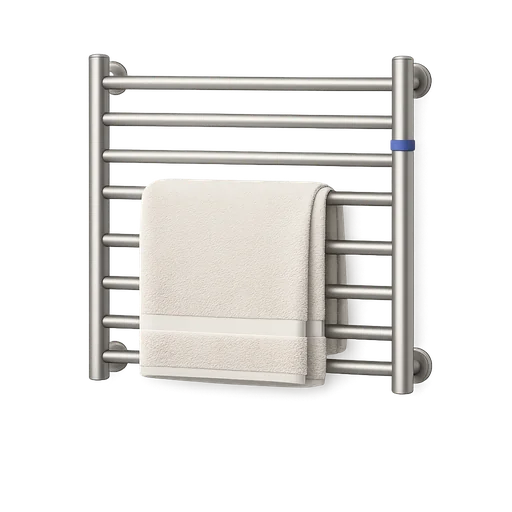
Chrome and towel rails
Always dry after cleaning. Dry, polished chrome delivers 80% of the “hotel” effect.
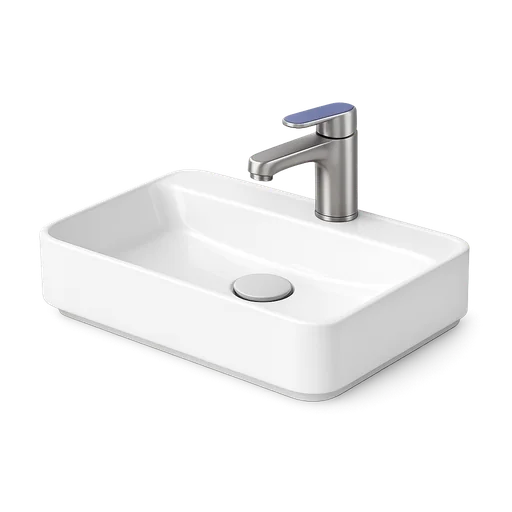
Sink and basin
Hunt for toothpaste residue on the waste and behind the tap, the number one forgotten spot.
For the full glass technique, see our dedicated article Streak-Free Windows and Mirrors: The Pros’ Method; for step-by-step finishing of toilet, sink and mirrors, see our finishing method.
The 8 Classic Bathroom Oversights
Even a well-drilled team misses the same spots, because you can’t see them standing up, at the end of a clean, with the door behind you:
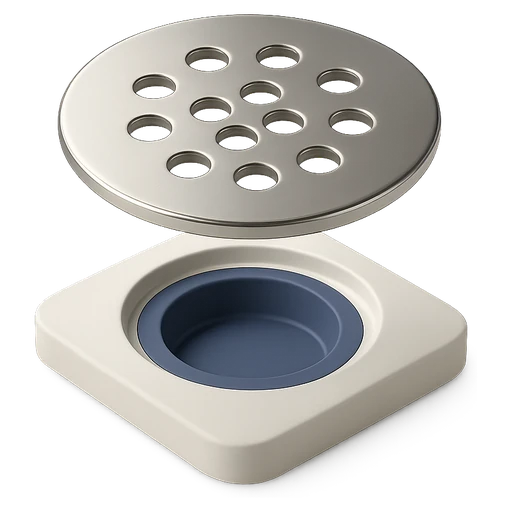
Shower waste
Hair wrapped under the cover, invisible until you lift it.
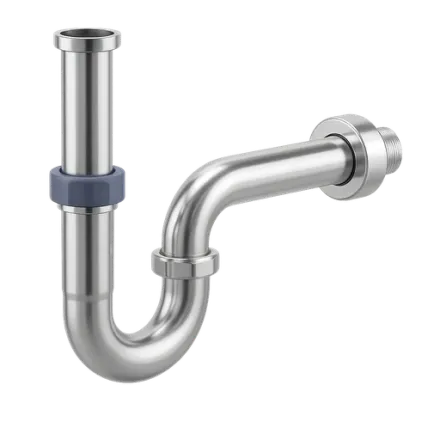
Under the sink and vanity unit
Splashes, stuck dust, hair.
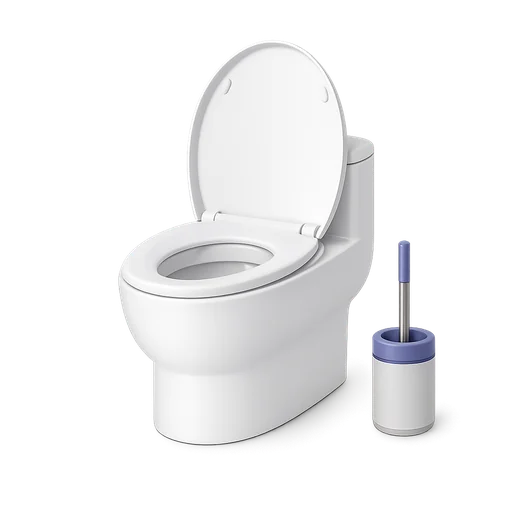
Base and back of the toilet
Plus seat hinges.
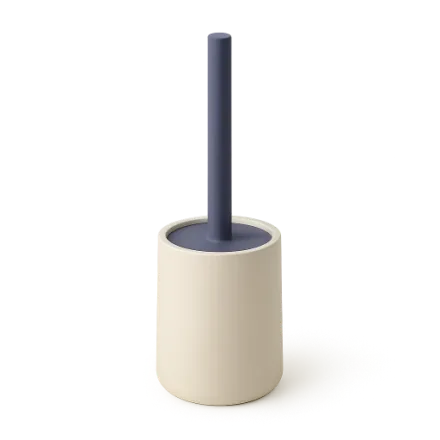
Toilet brush holder
Stagnant water at the bottom gives everything else away.
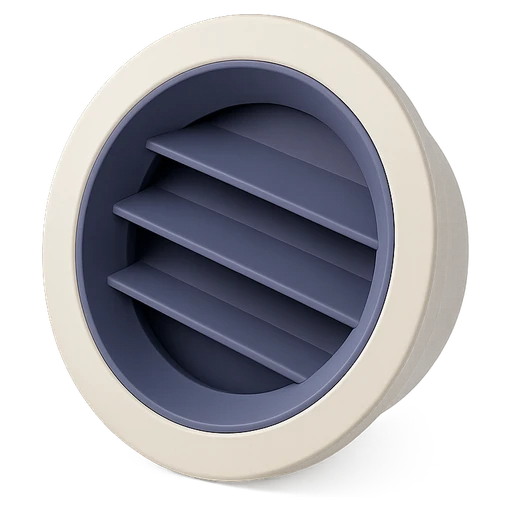
Extractor fan grille
A grey fringe visible from the shower.
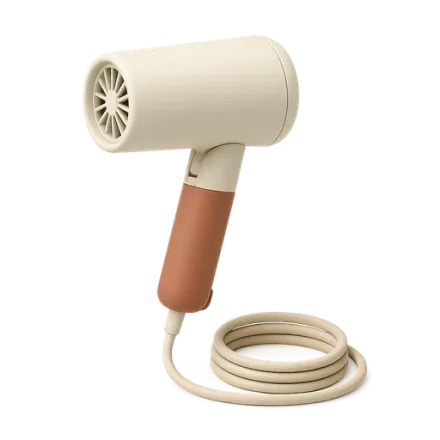
Hairdryer filter
Dust and hair, and a burning smell when switched on.
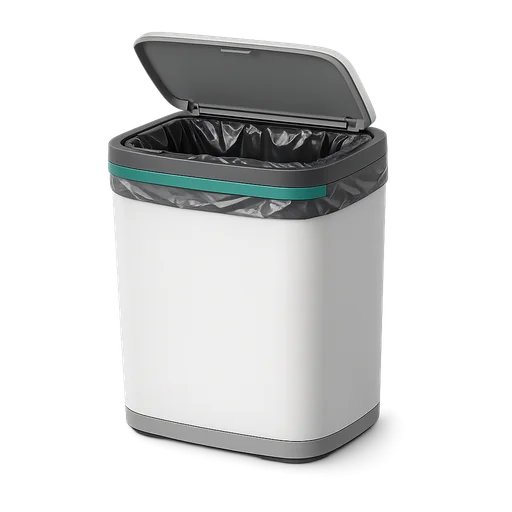
Small bin
The liner is new, but the inside isn’t.
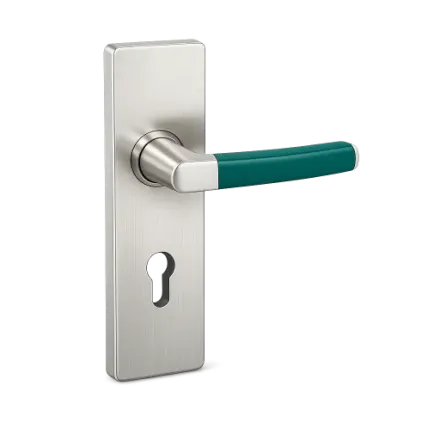
Top of the door, light switch and handle
Touch points forgotten on the way out.
The test that catches them all: finish crouched down. At the height of a guest sitting on the toilet or in the bath, these details leap out.
Hotel-Style Presentation: Towels, Folding and Cleanliness Signals
A perfect clean poorly presented looks average; a good clean well presented looks excellent. Hotels use visual signals of cleanliness that can be reproduced in three minutes:
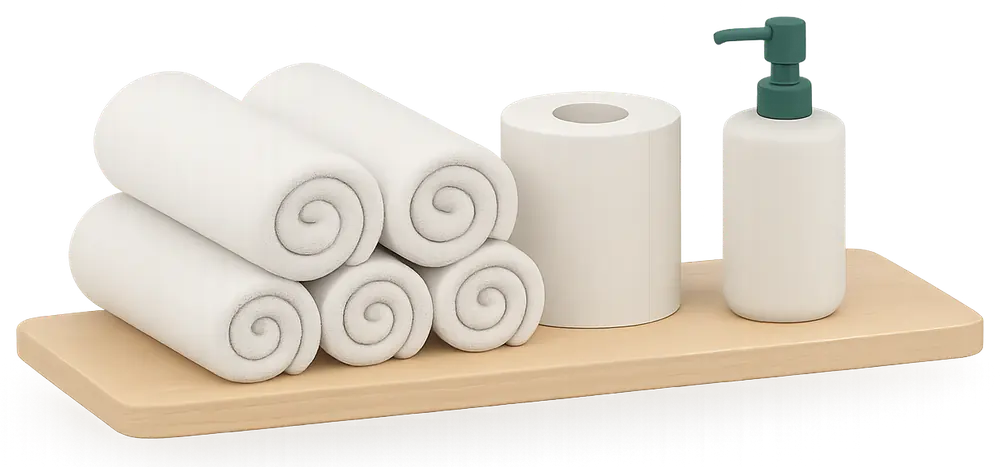
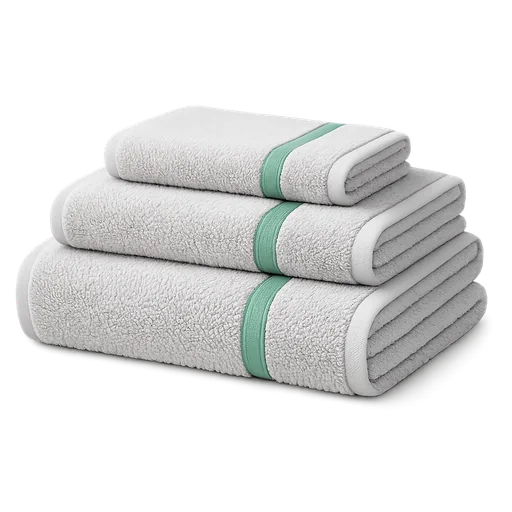
- Towels folded square or rolled, stacked by size, seams to the back. Always dry linen washed at 60°C, the hotel standard against mites and bacteria (Direct Hôtellerie). After 1 to 3 years of heavy use, a towel has had its day.
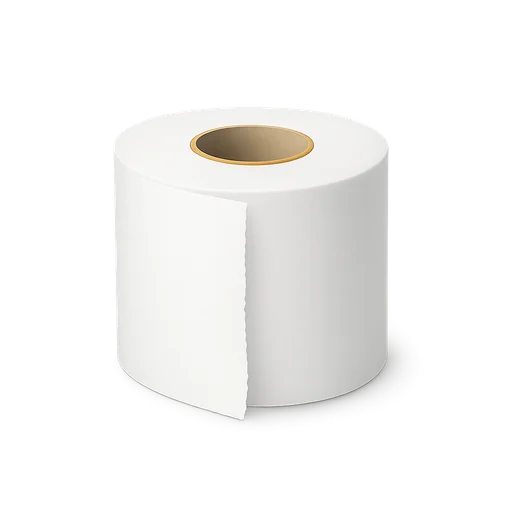
- Toilet paper folded to a point: this fold silently signals that no one has been here since cleaning.
- Clean glass, new soap or filled dispenser, empty bin with new liner, bath mat straight. What to leave, and in what quantity for the number of guests, is detailed in our bathroom consumables checklist.
- Shower curtain half drawn and glass dried: a visibly dry shower instantly looks cleaner.
This attention pays off: 78% of guests cite impeccable cleanliness as the top quality signal for a listing, and 86% are willing to pay more for a higher quality property (Vrbo / Businesswire).
The Right Products (and Mixtures to Avoid)
No need for fifteen bottles: a hotel housekeeping trolley contains just a handful of essentials. You need:
A bathroom descaler
(or household white vinegar) for taps, screens and toilet bowl;
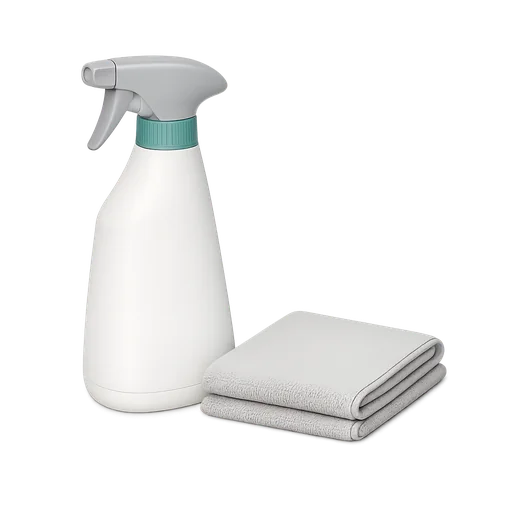
A disinfectant cleaner
For touch points (handles, switches, flush, seat), respecting the contact time on the label;
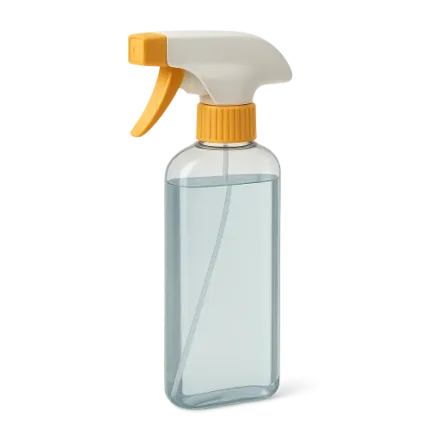
A glass cleaner
For mirrors and screens;
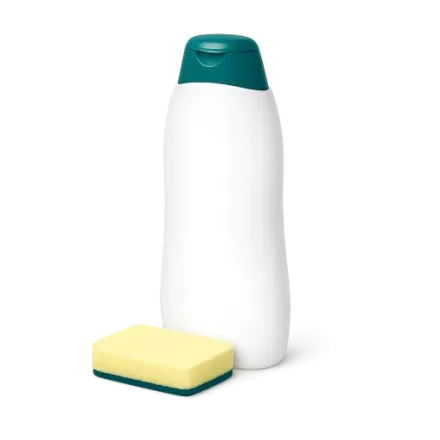
A gentle cream cleaner
For basins and baths (never pure abrasive on acrylic);
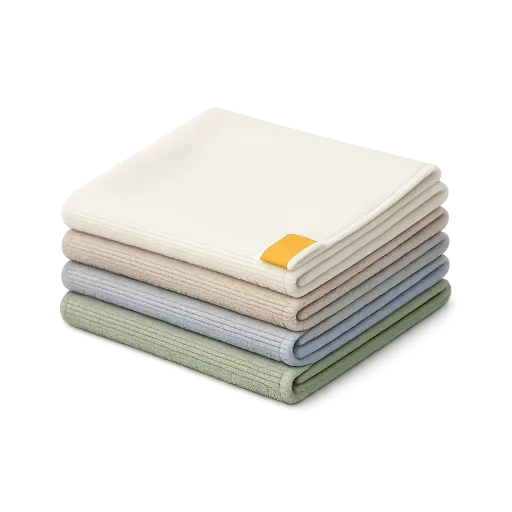
Colour-coded microfibres
And a dedicated toothbrush for corners.
Three non-negotiable safety rules: one product at a time, never mix bleach and acid or bleach and ammonia, ventilate during cleaning. For the environment, vinegar, bicarbonate and eco-labelled products cover most needs: ADEME publishes useful guidelines on eco-friendly home care.
Integrating This Protocol at Every Turnover (Without Thinking About It)
The real challenge isn’t getting a perfect bathroom once, but getting it right at every check-out, even when a cleaner is doing three changeovers on a Saturday. The hotel solution: the checklist, systematic and checked.
Formalise the sequence. The bathroom comes down to 10 to 15 ordered points (products applied, top to bottom, toilet last, finishing touches, sparkle check), integrated into your overall checklist: see our template in Airbnb Cleaning Checklist: Room-by-Room List for Hosts. Specific tasks (“make taps shine”, “clean shower waste”) are better than a vague “bathroom”. With a picture for each task, the cleaner knows exactly what you expect, no training needed.
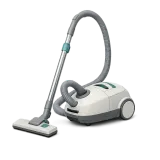 Vacuum the floors
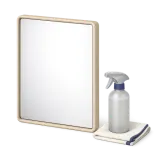 Clean the mirrors
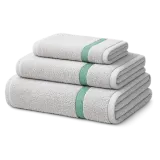 Change the bath towels
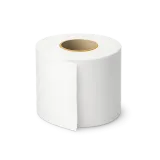 Restock the toilet paper
 Leave the welcome gift
 Clean the mirrorsChange the bath towelsRestock the toilet paperLeave the welcome giftChange the bath towelsRestock the toilet paperLeave the welcome giftRestock the toilet paperLeave the welcome giftLeave the welcome gift
 for 4 guests
Airbnb cleaning checklist
On iPhone or Android, your cleaner follows your Airbnb cleaning checklist task by task: a picture, an instruction, a tick.
More detailsAsk for photo proof on critical points: shower screen, taps, toilet, towels in place. The photo makes the cleaner focus on details and allows you to check remotely in 30 seconds. A description for each photo (“the screen from the front, with the taps”) and, if needed, a sample photo, prevent off-angle shots.
Air the roomVacuum the floorsMop the floorsEmpty the bins KitchenX2
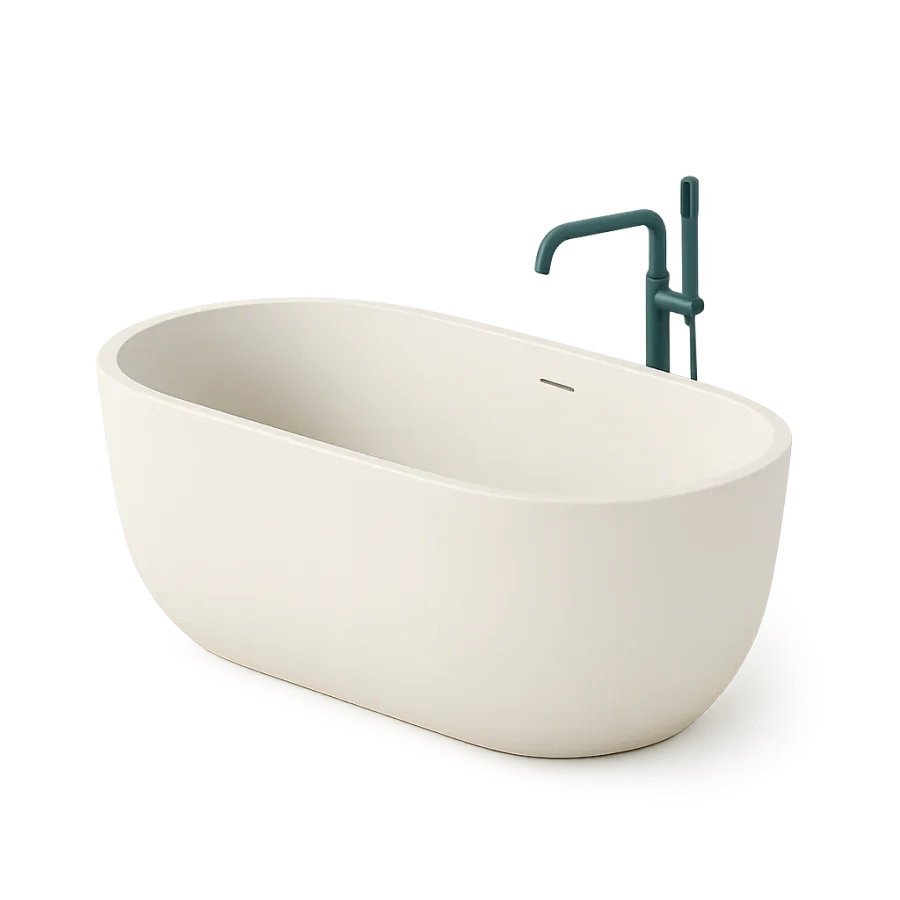 BathroomX2
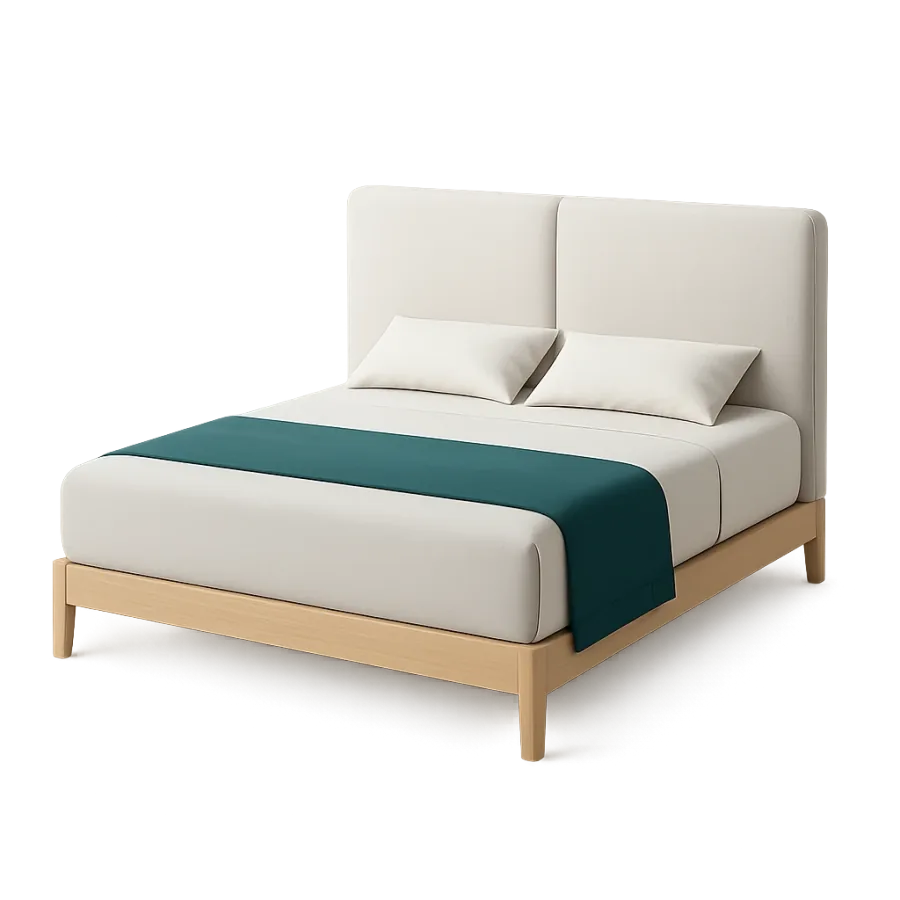 BedroomX2
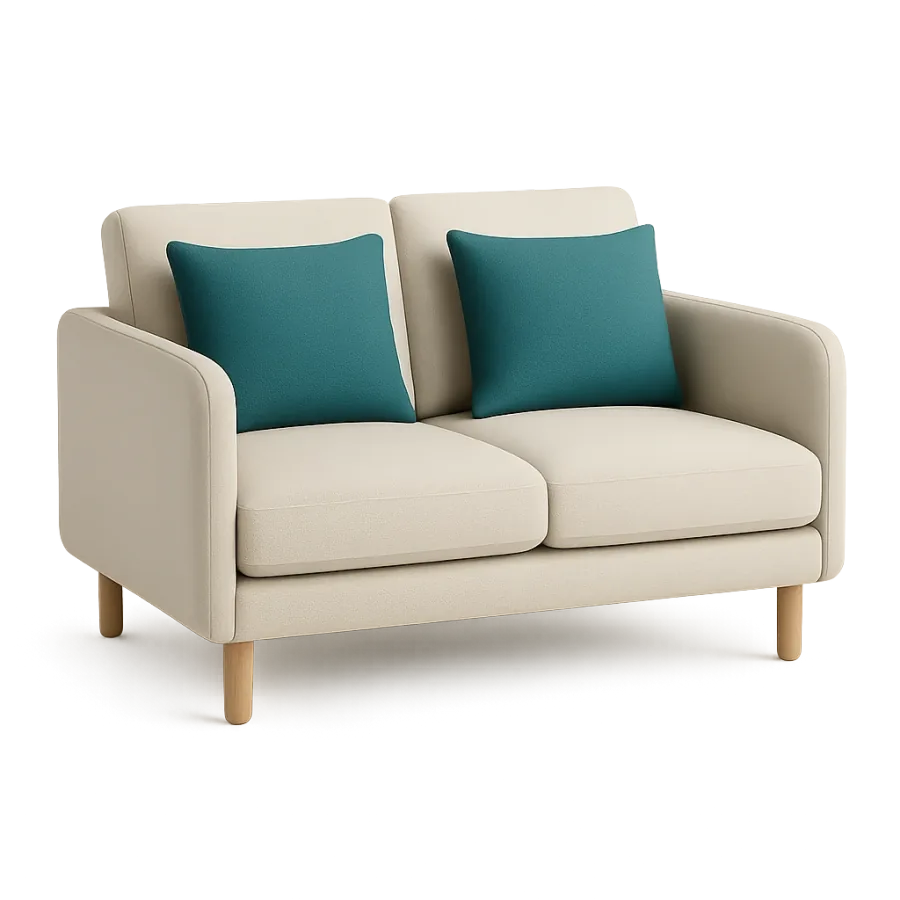 Living room
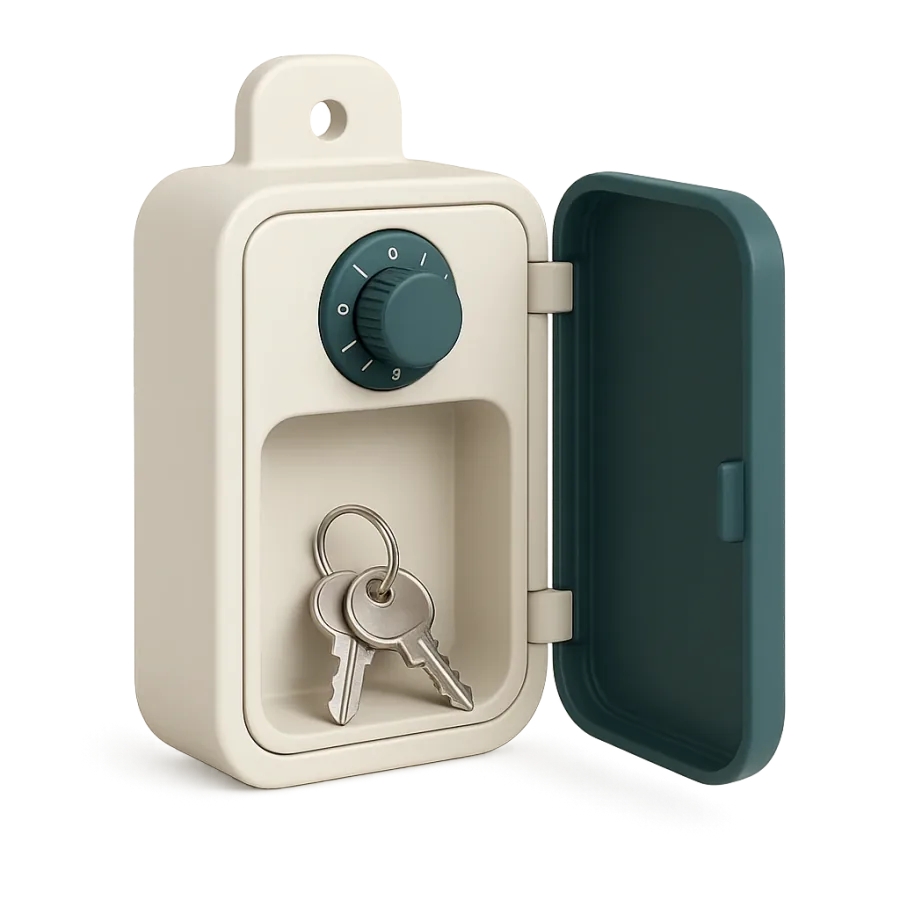 Keys
 Windows
Proof, room by room
In the Proof tab, pick the rooms and checkpoints to photograph after the cleaning, and how many photos each.
More detailsSchedule deep-clean tasks: descaling the shower head and extractor grilles once a month, checking seals at every turnover, water-repellent treatment once or twice a year. These don’t belong on every clean’s list: give them their own frequency.
Measure: if a review mentions the bathroom, go back to the relevant cleaning summary and identify the weak point, then clarify the task or add an instruction.
Allow 15 to 20 minutes for a standard bathroom with this well-drilled sequence, out of about 60 minutes for a one-bedroom flat: it’s the best-invested quarter-hour of the turnover. To see how the checklist is built and followed on a phone, see the cleaning checklist page.
Conclusion: Hotel-Standard Rigour, Within Every Host’s Reach
A “hotel-level” bathroom requires no magic or big budget: a fixed cleaning order, well-chosen products, systematic treatment of limescale and seals, careful finishing touches, all locked in by a checklist applied at every turnover.
Your questions
How do you remove stubborn limescale from a shower screen?
Spray with warmed white vinegar or a bathroom descaler, leave for 10 to 15 minutes, scrub with the soft side of a sponge, rinse and dry with a squeegee then a microfibre. For old deposits, repeat rather than scrape. Afterwards, a quick squeegee after each clean stops limescale coming back.
How often should you redo bathroom seals in a short-term rental?
Check them at every clean and treat the first stains immediately. With good ventilation, a silicone seal generally lasts 3 to 5 years under heavy rental use. As soon as it’s porous, coming away or permanently black, replace it: less than £10 of materials and 30 minutes is enough for a bath.
Which products should never be mixed when cleaning a bathroom?
Never mix bleach with an acidic product (vinegar, descaler, toilet gel) or with ammonia: these combinations release toxic gases. Use only one product at a time, rinse between applications and ventilate while cleaning. If in doubt, check the label and ANSES recommendations.
How long should you allow to clean the bathroom between guests?
Allow 15 to 20 minutes for a standard bathroom with a well-drilled protocol: products applied as soon as you enter for contact time, clean top to bottom, toilet last, then finishing touches (drying chrome, towels, visual check). A very scaled-up bathroom or a first deep clean may take twice as long.
How do you make sure there are no hairs left in the bathroom?
Lift the shower waste cover and remove anything wrapped underneath, then use a slightly damp microfibre instead of a broom: it picks up hair instead of moving it around. Vacuum the floor before mopping, paying attention behind the toilet and under the vanity. Finish with a crouched check, lights on: that’s the angle that reveals the last ones.
How can you check bathroom cleanliness when managing remotely?
Ask for photos at the end of cleaning on the points you choose: shower screen, taps, toilet, mirror, towels in place. You can check quality in seconds from your phone, spot missed areas before the guest arrives, and build a useful record in case of dispute, especially if the photos are time-stamped by a server.

Written by Janik Thoisy
Janik Thoisy manages short-term rentals day to day and shares her cleaning and organisation methods here.
Published on August 7, 2026 · Updated on November 2, 2026
Read next
 Airbnb Cleaning Checklist: Room-by-Room List for HostsAirbnb cleaning checklist for every turnover: room-by-room list, cleaning order, a one-page version, Airbnb's 5 steps and the 10 spots everyone forgets.Cleaning tips
 Clean an Airbnb in 1 Hour: The Minute-by-Minute MethodClean an Airbnb in 1 hour: room order, timing by area, equipment kit, and the pitfalls that make the clock run over between guests.Cleaning tips
 Airbnb Cleaning Supplies: 15 Essentials for Your KitAirbnb cleaning supplies: the 15 essential products for a short-term rental, their uses, annual budget, reserve to keep and stock tracking.
One property free to put all of this in place, for as long as it takes.