

Eliminating Bad Odours in a Rental: The Complete Guide
Tobacco, damp, drains, cooking, pets: identify the source of bad smells in your rental and remove them for good, without just masking them.
11 min read
The property is spotless, the bed perfectly made. Yet, the guest opens the door and wrinkles their nose: it smells musty, of stale tobacco, or drains. Smell is the first sense triggered on arrival, even before sight. A bad odour creates an instant impression of uncleanliness in three seconds, which two hours of cleaning cannot undo, and it almost always ends up in the review. The good news: every odour has an identifiable cause, and every cause has a lasting solution.
Why odours cost more than you think
Around 95% of guests mention cleanliness in their review (TurnoverPing), and a suspicious smell is always interpreted as a sign of poor cleanliness, even if the property is immaculate.
The issue is directly financial: a cleanliness rating that drops below 4.8 stars leads to around 20% fewer bookings, according to the same analysis. And lack of cleanliness is among the top three problems reported by guests, cited by 33% of them (ConsumerAffairs).
Another key point: an air freshener solves nothing. Masking a smell of tobacco or damp with a room fragrance creates a sickly mix that signals to guests that something is being hidden. The only lasting strategy: identify the source, treat it, then prevent recurrence.
Diagnosing the source: the 15-second method
The pitfall of odour diagnosis: acclimatisation. After 10 minutes in a property, your nose stops noticing anything. The right protocol, at the start of cleaning:
- Enter the closed propertyAnd note your very first impression, within the first 15 seconds: this is what the guest will experience.
- Walk through each roomAnd describe the smell: acrid (tobacco), earthy (mould), sulphurous (drains), rancid (cooking grease), sour (damp textiles).
- Check the usual suspectsDrains, bin, fridge, sofa, mattress, washing machine, ventilation system.
- Record the source in the property fileA recurring smell despite cleaning signals an underlying issue (leak, ventilation, seal).
| Odour detected | Most likely source | First treatment |
|---|---|---|
| Acrid, stale tobacco | Textiles, curtains, walls | Wash at 60°C, bicarbonate, washing down |
| Musty, cellar-like | Damp, clogged ventilation, seals | Airing, ventilation, treat seals |
| Rotten eggs, drains | Clogged or dry trap | Water in every drain, clean the trap |
| Rancid, frying | Extractor, filter, tops of cupboards | Degrease, wash or replace filter |
| Sour, damp laundry | Washing machine, poorly dried laundry | Empty cycle, clean seal, dry thoroughly |
| Animal | Textiles, carpets, sofa | Bicarbonate, thorough vacuum, wash |
This diagnosis takes less than 5 minutes. If you delegate, put this odour check at the top of your Airbnb Cleaning Checklist: Room-by-Room List for Hosts: it is the only point that no photo can prove. The cleaner is the first nose to enter: ask them to note what they find. In CleanClac, they record the state of the property on arrival, from 1 to 5 stars, before starting, and can flag a problem (persistent odour, leak, blackened seal), which is displayed on your side.
Condition rated on arrival
Before the first task, the cleaner rates the property out of 5, with a photo if needed.
More detailsTobacco smell: treat surfaces, not the air
Stale tobacco soaks into porous surfaces: textiles, carpets, painted walls, furniture. Airing alone is never enough, as nicotine and tar remain embedded. The effective protocol, in order of priority:
Air the property thoroughly
Throughout cleaning, with windows open at both ends.
Wash all washable textiles
(curtains, covers, throws, bed linen): a wash at 60°C eliminates dust mites, bacteria, and most odour residues, which is the professional standard for linen (Direct Hôtellerie).
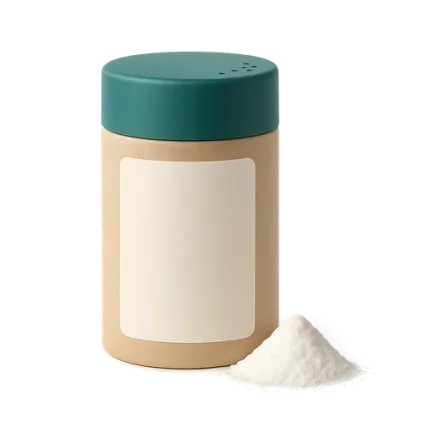
Bicarbonate of soda on non-washable surfaces
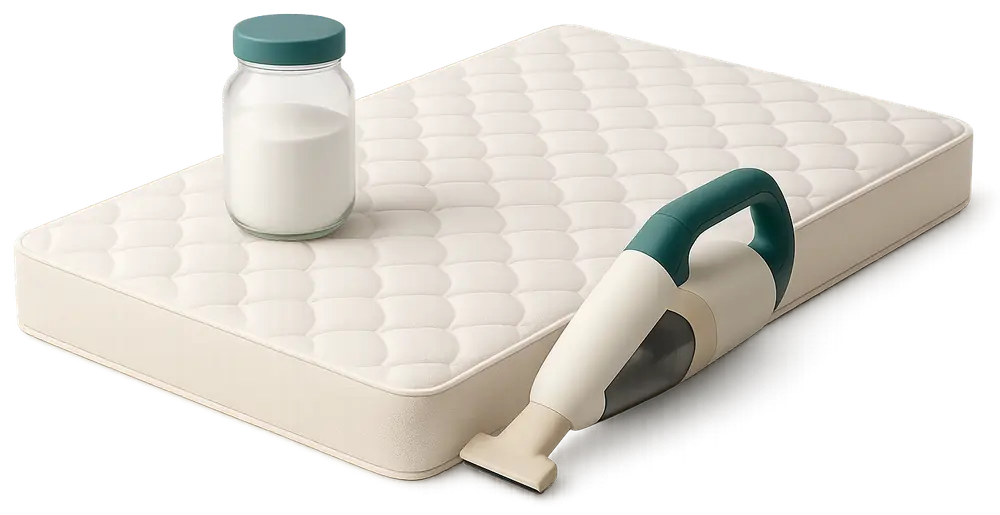
Sprinkle on sofa, mattress, and carpets, leave overnight, then vacuum thoroughly. Bicarbonate absorbs odour molecules rather than masking them.
Wash hard surfaces
With diluted white vinegar or black soap.
In extreme cases
Bowls of white vinegar or coffee grounds placed in rooms for 24 hours. Document the damage with dated photos before cleaning, to support any claim via the Airbnb Help Centre.
Prevention: explicit no-smoking rule in the listing, outdoor ashtray provided, systematic odour check at check-out.
Damp and mould: the musty smell that ruins reviews
The "cellar" or musty smell comes from stagnant damp and mould, often invisible. It plagues properties left closed between stays and windowless bathrooms. Key points to check:
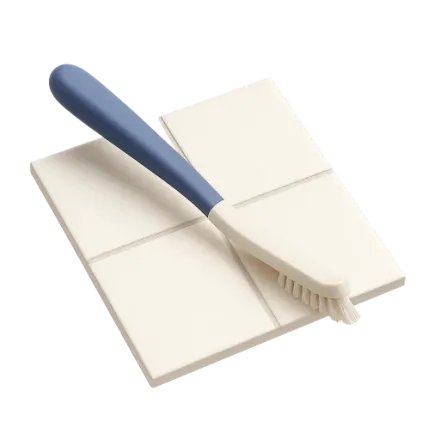
Shower and tile seals
If blackened, they are colonised. Treat with neat white vinegar or percarbonate; replace silicone seals if too far gone (under £10, 30 minutes).
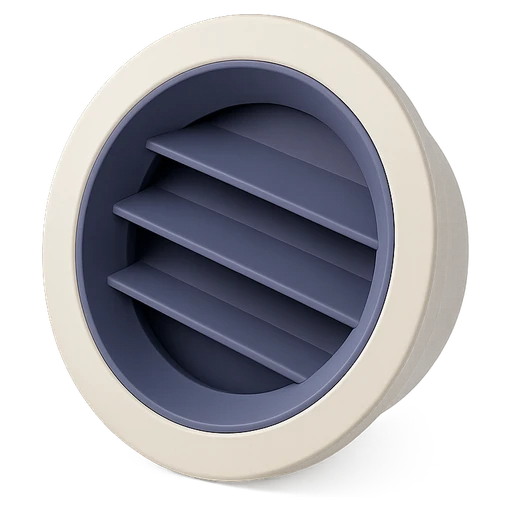
Ventilation and air vents
Dust them at every deep clean. A clogged ventilation system no longer renews the air, and poorly renewed indoor air concentrates pollutants and moisture, as highlighted by the ADEME.
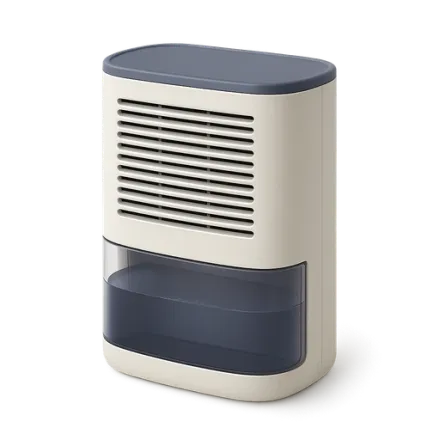
Behind furniture
under sinks, around windows: look for black spots.
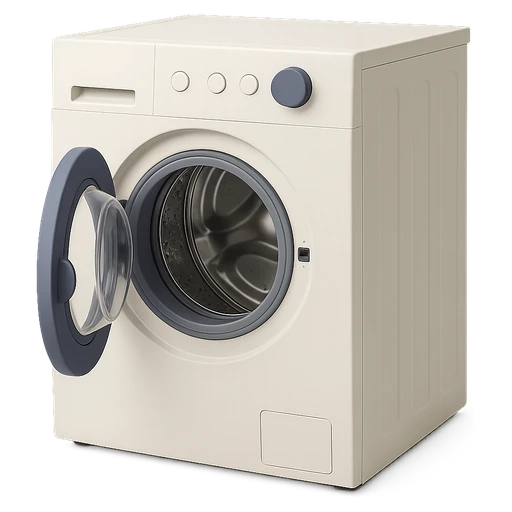
Washing machine
Door seal and detergent drawer quickly go mouldy. A monthly empty cycle at 90°C with white vinegar cleans the drum; without this, your "clean" laundry will smell musty. Ventilation, air conditioning, and washing machines each have their own maintenance routine, detailed in our equipment maintenance guide.
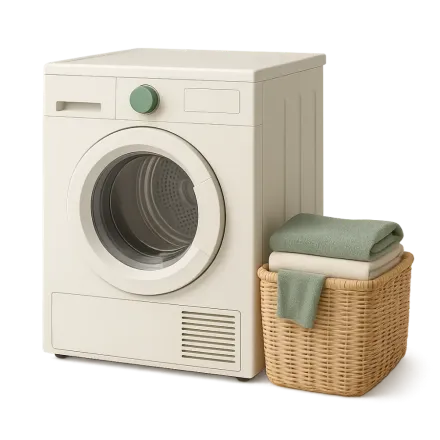
Poorly dried textiles
Never store laundry that is not perfectly dry.
Prevention: air for 10 to 15 minutes at each clean, even in winter, leave internal doors and shower curtain open between stays, place a dehumidifier in properties closed for more than a week.
Property closed for several weeks: the reopening protocol
A mountain studio closed between seasons, a seaside house empty in November: these properties combine all the factors (dry traps, damp, stagnant air). Before the first arrival, schedule a dedicated visit, ideally the day before: long airing with windows open, water in all drains, emptied dehumidifiers, bedding and curtains aired, fridge open and dry, heating or dehumidifier on for a few hours. The specifics of seaside (salt, sand, damp) and mountain properties are detailed in our article on cleaning holiday lets by the sea and in the mountains.
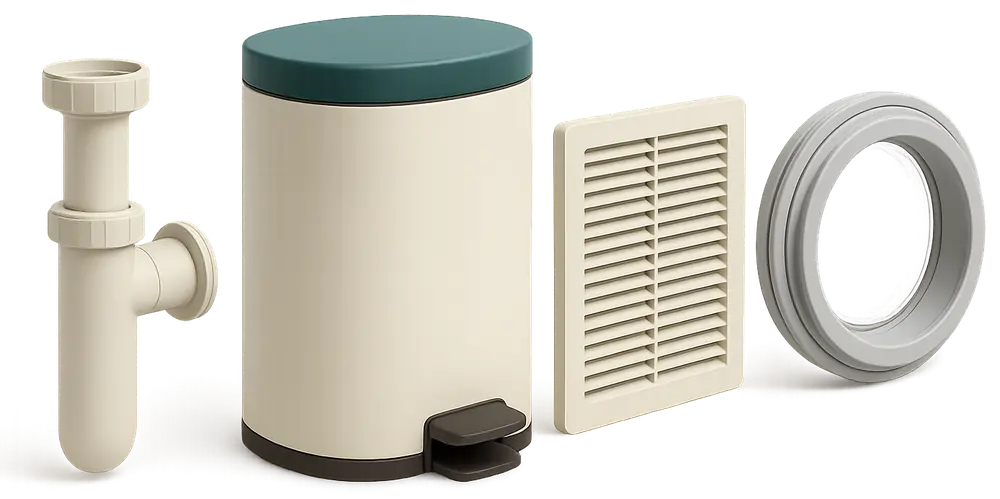
Kitchen: grease, fridge, and bin, the trio to neutralise
The kitchen generates three types of odours, each with its own treatment:
Rancid grease. It settles on the extractor, splashback, and tops of cupboards, an area often missed in cleaning. Degrease with black soap; wash or replace the extractor filter every 2 to 3 months (a saturated filter constantly releases frying smells).
The fridge. Empty it completely after every stay, including condiments "left for the next guest". Clean shelves and door seal, rinse the water collection tray at the back (a little-known source of odour). Between spaced stays, leave a ramekin of bicarbonate inside.
The bin. Wash the bin itself once a week in high season. Never leave a bag, even half-empty, between stays.
Add the dishwasher (clean filter, empty cycle with vinegar once a month) and microwave (bowl of lemon water for 3 minutes) and you cover the main kitchen odours. Fridge, dishwasher, and sink have their full anti-odour routine in our article on their maintenance. As for products, the trio bicarbonate, white vinegar, black soap is enough, but never mix vinegar and bleach: the combination releases toxic fumes, as the ANSES reminds us about chemical risks in cleaning products.
Drains: the recurring smell of sewage
A rotten egg smell almost always comes from the traps. Two mechanisms:
- The trap is clogged: hair, soap, and grease ferment. Pour half a cup of bicarbonate then a cup of hot white vinegar, let it fizz for 30 minutes, then rinse with boiling water, once a month, with dismantling at the quarterly deep clean.
- The trap is dry: in a property left empty for several days, the water in the trap evaporates and sewer gases rise. This is the number one explanation for the "mystery" smell after a quiet period. Solution: run water for 30 seconds in every drain (basins, shower, sink, washing machine outlet) before each arrival.
This point must be on the pre-arrival checklist: a trap can dry out even in a perfectly clean property. If the smell persists despite clean, filled traps, suspect a sealing fault and call a plumber: this is a building issue, not a cleaning one.
Textiles, bedding, and sofa: odour reservoirs
Textiles absorb and release all the property’s odours: sweat, cooking, pets. Critical points:
The mattress
Protected by a waterproof cover, deep cleaned once a month (bicarbonate and vacuuming). A mattress that still smells after this is at the end of its life. Full protocol in our guide Cleaning a Rental Mattress: Stains, Odours, Dust Mites.
Duvets and pillows
Wash them about once a month in tourist accommodation, a much higher frequency than at home (Direct Hôtellerie). Pillow protectors and under-pillowcases: after every stay.
Sofa, curtains, carpets
Bicarbonate and vacuum once a month; choose machine-washable covers when buying furniture.
Pet odours: a different clean, not just a longer one
If your listing accepts pets, post-stay cleaning requires specific steps: thorough vacuuming (skirting boards, under cushions, carpets in both directions), bicarbonate on all non-washable textiles, washing throws and covers, checking floors and door bottoms. Allow for this time, and the extra cost, in the cleaning fee. The rules to set and profitability calculation are in our article on accepting pets in short-term lets.
The key is that these steps are done only when needed: adding them to every clean wastes time, forgetting them after a dog stay costs you a review. In CleanClac, pet-related tasks are only added to the clean when the stay indicates it.
The anti-odour routine to include in every clean
Odour control is won by repetition, not by one-off blitzes. The routine to standardise, for an extra 5 minutes per clean:
At every changeover: 15-second odour check, thorough airing throughout, bins AND containers checked, fridge emptied, water in all traps, linen washed at 60°C.
Every month: bicarbonate and vacuum on mattress, sofa, and carpets; empty cycles of washing machine and dishwasher with vinegar; traps treated; ventilation grilles dusted; duvets and pillows machine washed.
Every quarter: extractor filter washed or replaced, traps dismantled, shower seals inspected and treated, curtains washed.
The monthly and quarterly levels are the first to disappear when cleans pile up. The solution: give each deep-clean task its own frequency, so it only appears in the cleaner’s list when it is due. This is what the CleanClac cleaning checklist allows, with its spaced recurring tasks: every few cleans, every month, or every three months.
 Vacuum the floorsEvery cleaning
 Clean the fridgeEvery 4 cleanings
 Clean the ovenEvery 4 cleanings
Every task, its own rhythm
The oven every 6 cleanings, the air vents every 3 months: each task only shows up when its turn comes.
More detailsFormalised like this, the routine gives consistent results, whether the clean is done by you, your usual cleaner, or a last-minute replacement. Finally, favour natural neutralisers over synthetic fragrances, an approach detailed in our Eco-Friendly Cleaning in Short-Term Rentals: A Guide guide. The target smell of a property ready to welcome guests is not "orange blossom": it is the absence of odour, with a hint of cleanliness and fresh linen.
Your questions
Why does my property smell musty even though it is clean?
Two main causes: dry traps (water evaporates when the property is left empty, letting sewer gases rise) and lack of air renewal, which concentrates damp. Run water in all drains before each arrival, air for 15 minutes at each visit, check the ventilation. If the smell persists, inspect seals, washing machine, and behind furniture.
How can I remove a tobacco smell quickly before a check-in?
In an emergency: air thoroughly throughout cleaning, wash all washable textiles at 60°C, bicarbonate on sofa and mattress (vacuum before arrival), wash surfaces with white vinegar, bowls of vinegar or coffee grounds in rooms. Avoid strong air fresheners: tobacco and perfume create an even more unpleasant mix.
Are white vinegar and bicarbonate really enough?
For the vast majority of common odours, yes: they neutralise odour compounds rather than masking them. Vinegar treats limescale, drains, and surfaces; bicarbonate absorbs odours from textiles and the fridge. Their limits: ingrained mould (percarbonate, replacing seals) and building-related smells that require a professional. Never mix vinegar and bleach.
How do I remove a pet smell after a stay?
Vacuum all textiles and floors slowly, in both directions, then sprinkle bicarbonate on sofa, carpets, and non-washable bedding, leave for at least an hour, and vacuum again. Wash throws, covers, and removable cushion covers. For urine stains, use an enzymatic cleaner: vinegar alone is not enough and the next animal will return to the same spot.
Should I use a fragrance diffuser in a rental?
Sparingly, and never to mask a problem. A discreet scent (fresh linen, cotton) in the entrance can reinforce the impression of cleanliness, but a strong fragrance suggests something is being hidden and can bother sensitive guests. The hotel standard remains a property that smells clean and neutral, with linen washed at 60°C as the only olfactory signature.
Can a bad smell really lower my Airbnb rating?
Yes, directly. Around 95% of guests mention cleanliness in their review, and a smell is perceived as dirt even in a cleaned property. A cleanliness rating below 4.8 translates to around 20% fewer bookings. The arrival smell sets the first impression, which colours the entire stay evaluation.

Written by Janik Thoisy
Janik Thoisy manages short-term rentals day to day and shares her cleaning and organisation methods here.
Published on August 7, 2026 · Updated on November 2, 2026
Read next
 Airbnb Cleaning Checklist: Room-by-Room List for HostsAirbnb cleaning checklist for every turnover: room-by-room list, cleaning order, a one-page version, Airbnb's 5 steps and the 10 spots everyone forgets.Cleaning tips
 Clean an Airbnb in 1 Hour: The Minute-by-Minute MethodClean an Airbnb in 1 hour: room order, timing by area, equipment kit, and the pitfalls that make the clock run over between guests.Cleaning tips
 Airbnb Cleaning Supplies: 15 Essentials for Your KitAirbnb cleaning supplies: the 15 essential products for a short-term rental, their uses, annual budget, reserve to keep and stock tracking.
One property free to put all of this in place, for as long as it takes.