Eliminating Bad Odours in a Rental: The Guide
Tobacco, damp, drains, kitchen: identify the source of bad smells in your rental and remove them for good, without just masking them.
The property is spotless, the bed perfectly made. Yet the guest opens the door and wrinkles their nose: it smells musty, of stale smoke or drains. Smell is the first sense triggered on arrival, even before sight. A bad odour creates an instant impression of dirtiness in just three seconds, which two hours of cleaning cannot undo, and it almost always ends up in the review. The good news: every smell has an identifiable cause, and every cause has a lasting solution.
Why odours cost more than you think
Around 95% of guests mention cleanliness in their review, and a suspicious smell is always interpreted as a sign of poor cleaning, even if the property is immaculate.
This is a direct financial issue: a cleanliness rating below 4.8 stars leads to around 20% fewer bookings, according to the same analysis. And lack of cleanliness is among the top three problems reported by guests, cited by 33% of them (ConsumerAffairs).
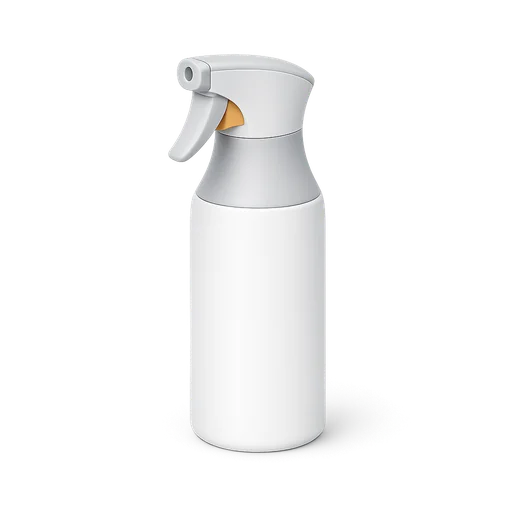
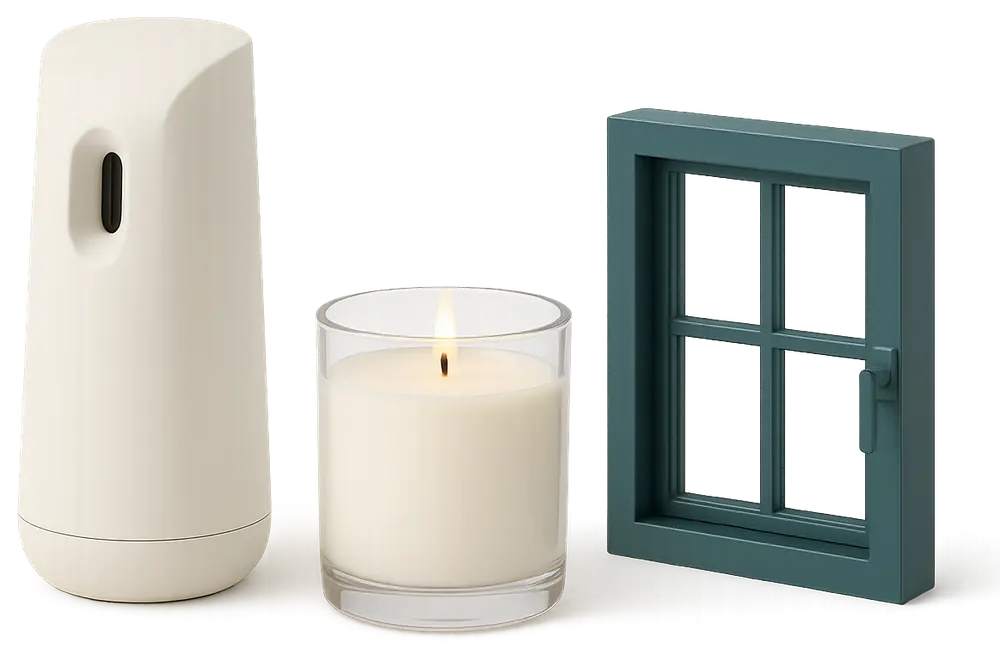
Another key point: an air freshener solves nothing. Masking a smell of smoke or damp with a room fragrance creates a sickly mix that tells guests you are hiding something. The only sustainable strategy: identify the source, treat it, then prevent it from returning.
Diagnosing the source: the 15-second method
The trap with odour diagnosis: you get used to it. After 10 minutes in a property, your nose stops noticing anything. The right protocol, at the start of cleaning:
- Enter the closed propertyAnd note your very first impression, within the first 15 seconds: this is what the guest will experience.
- Go room by roomAnd describe the smell: acrid (smoke), earthy (mould), sulphurous (drains), rancid (cooking grease), sour (damp textiles).
- Check the usual suspectsDrains, bin, fridge, sofa, mattress, washing machine, extractor fan.
- Record the source in the property fileA smell that returns despite cleaning signals an underlying issue (leak, ventilation, seal).
This diagnosis takes less than 5 minutes. If you outsource, put this odour check at the top of your Complete Airbnb Cleaning Checklist: Never Miss a Spot: it is the only point no photo can prove.
Smoke smell: treat the surfaces, not the air
Stale smoke soaks into porous surfaces: textiles, carpets, painted walls, furniture. Airing out is never enough, as nicotine and tar remain fixed. The effective protocol, in order of priority:
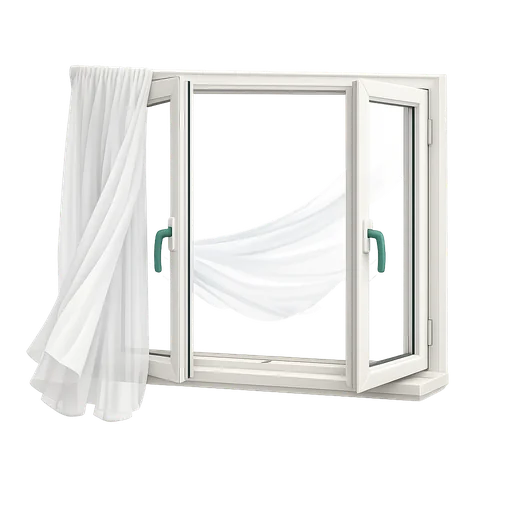
Air the property with a through-draught
Throughout the clean, with windows open at both ends.
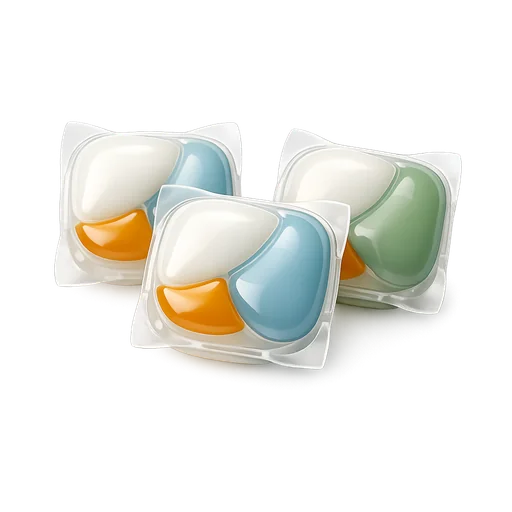
Wash all washable textiles
(curtains, covers, throws, bedding), a wash at 60°C kills dust mites, bacteria and most odour residues, the professional standard for laundry (Direct Hôtellerie).
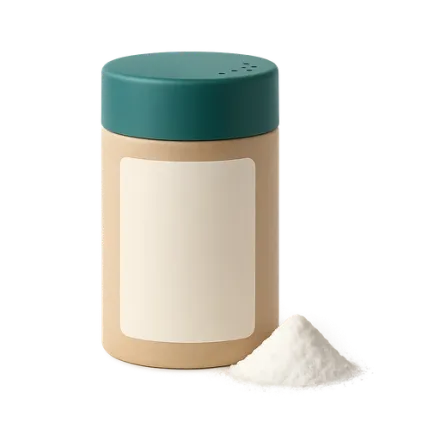
Bicarbonate of soda on non-washable surfaces
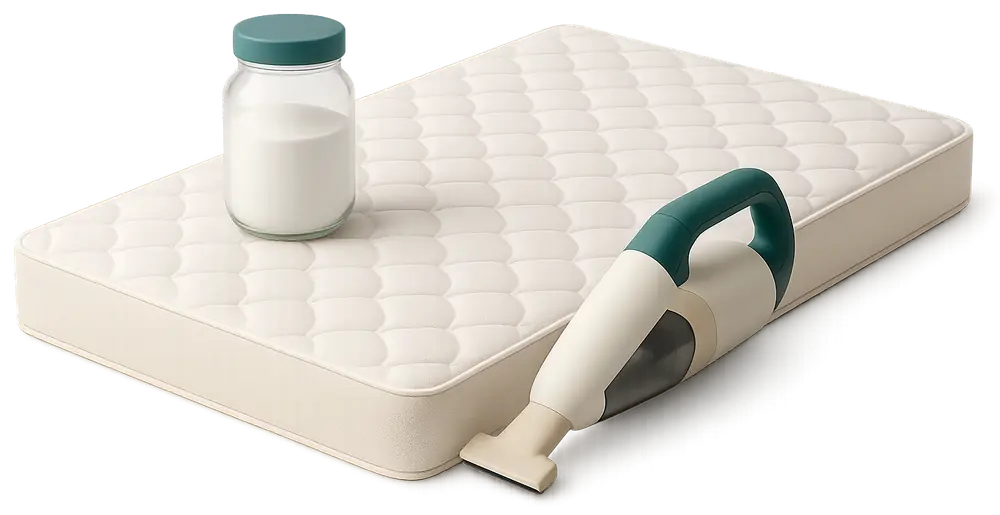
Sprinkle sofas, mattresses and rugs, leave overnight, then vacuum thoroughly. Bicarbonate absorbs odour molecules instead of masking them.
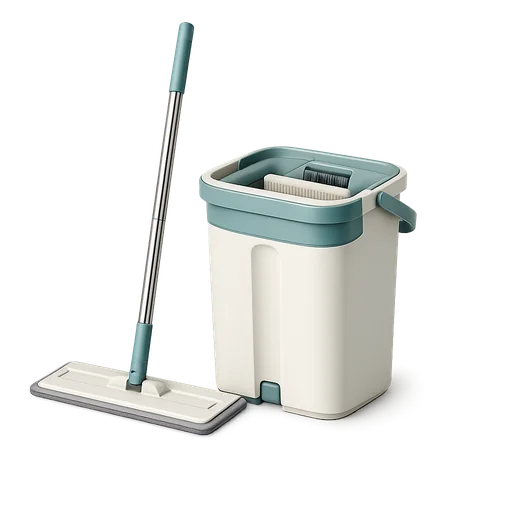
Wash hard surfaces
With diluted white vinegar or black soap.
Extreme cases
Bowls of white vinegar or coffee grounds left in rooms for 24 hours. Document any damage with time-stamped photos before cleaning, to support a possible claim via the Airbnb Help Centre.
Prevention: clear no-smoking rule in the listing, outdoor ashtray provided, systematic odour check at check-out.
Damp and mould: the musty smell that ruins reviews
The "cellar" or musty smell comes from stagnant damp and mould, often invisible. It plagues properties left closed between stays and bathrooms without windows. Key points to check:
Shower and tile seals
Blackened = colonised. Treat with neat white vinegar or percarbonate; replace silicone seals that are too far gone (under £10, 30 minutes).
Extractor fans and air vents
Dust them at every deep clean. A clogged extractor no longer renews the air, and stale indoor air concentrates pollutants and moisture, as the ADEME reminds us.
Behind furniture
under sinks, around windows: look for black spots.
Washing machine
Door seal and detergent drawer quickly go mouldy. A monthly empty cycle at 90°C with white vinegar cleans the drum, otherwise, your "clean" laundry will smell musty.
Damp textiles
Never store laundry that is not completely dry.
Prevention: air out for 10 to 15 minutes at every clean, even in winter, leave internal doors and shower curtain open between stays, place a moisture absorber in properties left empty for more than a week.
Kitchen: grease, fridge and bin, the trio to neutralise
The kitchen generates three types of odours, each with its own solution:
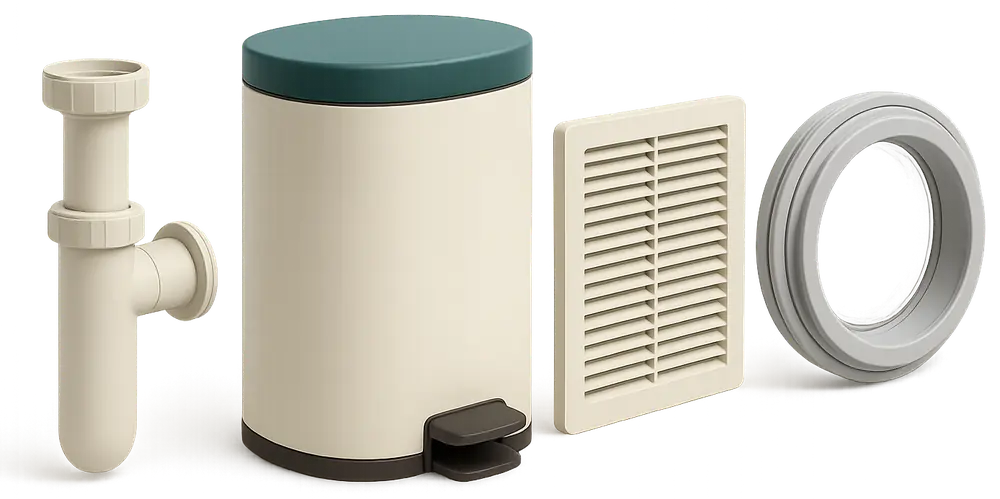
Rancid grease. It settles on the extractor hood, splashback, and tops of wall units, often missed in most cleans. Degrease with black soap; wash or replace the extractor hood filter every 2 to 3 months (a saturated filter constantly releases the smell of frying).
The fridge. Empty it completely at every departure, including condiments "left for the next guest". Clean shelves and door seal, rinse the water collection tray at the back (a little-known source of odour). Between spaced stays, leave a ramekin of bicarbonate inside.
The bin. Wash the bin itself once a week in high season. Never leave a bag, even half-full, between stays.
Add the dishwasher (clean the filter, run a monthly empty cycle with vinegar) and the microwave (bowl of lemon water for 3 minutes) and you cover most kitchen smells. As for products, the trio bicarbonate, white vinegar, black soap is enough, but never mix vinegar and bleach: the combination releases toxic fumes, as the ANSES warns regarding chemical risks of cleaning products.
Drains: the recurring smell of sewage
A rotten egg smell almost always comes from the traps. Two mechanisms:
- The trap is clogged: hair, soap and grease ferment. Pour half a cup of bicarbonate then a cup of hot white vinegar, let it fizz for 30 minutes, rinse with boiling water, do this monthly, with a full dismantle at the quarterly deep clean.
- The trap has dried out: in a property left empty for several days, the water in the trap evaporates and sewer gases rise up. This is the number one explanation for the "mystery" smell after a quiet spell. Solution: run water for 30 seconds in every drain (basins, shower, sink, washing machine outlet) before each arrival.
This point must be on the pre-arrival checklist: a trap can dry out even in a perfectly clean property. If the smell persists despite clean, filled traps, suspect a sealing issue and call a plumber, this is a building problem, not a cleaning one.
Textiles, bedding and sofa: odour reservoirs
Textiles absorb and release all the property’s smells: sweat, cooking, pets. Critical points:
The mattress
Protected by a waterproof cover, deep cleaned once a month (bicarbonate + vacuum). A mattress that still smells after this is at the end of its life. Full protocol in our guide Cleaning a Rental Mattress: Stains, Odours, Dust Mites.
Duvets and pillows
Wash them about once a month in holiday lets, much more often than at home (Direct Hôtellerie). Pillow protectors and under-pillowcases: after every stay.
Sofa, curtains, rugs
Monthly bicarbonate + vacuum; choose machine-washable covers when buying furniture.
Pet smells
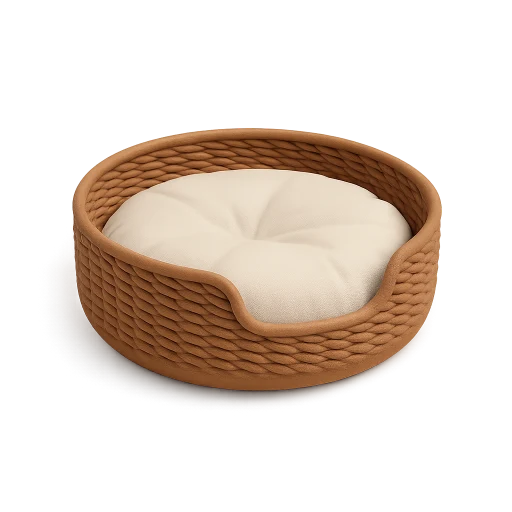
If your listing allows them, always use bicarbonate on textiles, extra vacuuming (skirting boards, under cushions), and allow for this time in your cleaning fee.
The anti-odour routine to include in every clean
Winning the battle against odours is about repetition, not one-off blitzes. The routine to standardise, for an extra 5 minutes per clean:
At every changeover: 15-second odour check, through-draught airing throughout, bins AND containers checked, fridge emptied, water in all traps, laundry washed at 60°C.
Every month: bicarbonate + vacuum on mattress, sofa and rugs; empty cycles in washing machine and dishwasher with vinegar; traps treated; extractor fan grilles dusted; duvets and pillows machine washed.
Every quarter: extractor hood filter washed or replaced, traps dismantled, shower seals checked and treated, curtains washed.
Formalise this routine in a checklist for each property: this guarantees consistent results, whether cleaning is done by you, your regular cleaner or a last-minute stand-in. And favour natural neutralisers over synthetic fragrances, see our detailed approach in the Eco-friendly cleaning in short-term rentals: a guide guide. The target smell for a property ready to welcome guests is not "orange blossom": it is no smell at all, with a hint of clean and fresh laundry.
Your questions
Why does my property smell musty even though it’s clean?
Two main causes: dried-out traps (water evaporates when the property is empty, letting sewer gases rise) and lack of air renewal, which concentrates damp. Run water in all drains before each arrival, air out for 15 minutes at every visit, check the extractor fan. If the smell persists, check seals, washing machine and behind furniture.
How can I quickly get rid of a smoke smell before check-in?
In an emergency: through-draught airing throughout the clean, all washable textiles at 60°C, bicarbonate on sofa and mattress (vacuum before arrival), wash hard surfaces with white vinegar, bowls of vinegar or coffee grounds in rooms. Avoid strong air fresheners: smoke + perfume makes an even worse mix.
Are white vinegar and bicarbonate really enough?
For most common odours, yes: they neutralise odour compounds instead of masking them. Vinegar tackles limescale, drains and surfaces; bicarbonate absorbs smells from textiles and the fridge. Their limits: ingrained mould (use percarbonate, replace seals) and building smells that need a professional. Never mix vinegar and bleach.
Should you use a fragrance diffuser in a rental?
Sparingly, and never to hide a problem. A subtle scent (fresh laundry, cotton) in the entrance can reinforce the impression of cleanliness, but a strong fragrance suggests something is being covered up and can bother sensitive guests. The hotel standard is a property that smells clean and neutral, with laundry washed at 60°C as the only scent.
Can a bad smell really lower my Airbnb rating?
Yes, directly. Around 95% of guests mention cleanliness in their review, and a smell is perceived as dirtiness even in a cleaned property. A cleanliness rating below 4.8 means about 20% fewer bookings. The arrival smell sets the first impression, which colours the whole stay’s evaluation.

Written by Janik
Published on August 7, 2026 · Updated on August 12, 2026
Read next
 Complete Airbnb Cleaning Checklist: Never Miss a SpotRoom-by-room Airbnb cleaning checklist: optimal order, commonly missed spots, final checks. The method for a spotless property at every turnover.Cleaning tips
 Clean an Airbnb in 1 Hour Flat: The MethodMinute-by-minute method to clean an Airbnb in 1 hour: room order, equipment, timing per area and pro tips to keep to the clock.Cleaning tips
 15 essential cleaning products for short-term rentalsComplete cleaning kit for your Airbnb: the 15 must-have products, their specific uses, annual budget, and where to store them in your property.
Move from theory to practice.
One property free to put all of this in place, for as long as it takes.