

Cleaning the floors in a holiday let: order, tools, dosage
Vacuum, mop, steam, robot: which tool for which floor, in what order, what dosages, and how to treat carpet, rugs and stairs.
9 min read
The floor is the surface guests walk on barefoot, and the one that most quickly reveals a rushed clean. It is also the most mistreated: too much water, too much product, cleaning in the wrong direction, and the tiles are left with a white film for three turnovers. This guide gives you the right order of operations, the best tool for each floor type, and the dosages that avoid streaks.
The order, which determines everything else
The floor is cleaned last, after surfaces and before leaving. Any dust moved from above ends up on the floor: cleaning the floor before the furniture means cleaning it twice. The dusting that comes first, from light fittings to skirting boards, is detailed in the dusting and disinfecting guide.
Within the room itself, the principle is always the same: from the back towards the door, from top to bottom, from clean to dirty. You never go back over what you have just done, and you never trap yourself in a corner.
| Task | Frequency | Role |
|---|---|---|
| Vacuum | Every clean | Remove dry debris before any water is used |
| Vacuum corners | Every clean | Skirting boards, corners, under furniture |
| Sweep or use a broom | Every clean | Alternative to vacuum on hard floors |
| Wash the floor | Every clean | Remove grease and marks |
| Use steam cleaner | Every clean | Disinfection without chemicals |
| Run the robot vacuum | Every clean | Maintenance between human cleans |
| Sweep the terrace | Every clean | Outside, before arrival |
| Clean skirting boards | Every clean, or as needed | The visible dust line |
| Clean the stairs | Every clean | Steps and banister, top to bottom |
| Shake the doormat | Every clean | Outside, then sweep underneath |
| Vacuum sofa storage | Monthly | Crumbs and forgotten items |
| Clean the carpet | Monthly | Stains and deep fibre cleaning |
| Wash rugs | Every 3 months | As per label, or at the dry cleaner's |
These frequencies are those suggested by the default task library: each manager adjusts them to their property. A rarely used bedroom carpet can go a month; a hallway rug in a beach house, much less. The important thing is that a monthly task comes back onto the list automatically, instead of relying on someone's memory.

Six families, one order
Every task joins its family and colour, and the checklist follows the real order of the cleaning.
More detailsChoosing the right tool for the floor
The wrong tool not only wastes time, it causes damage.
- Tiles and vinyl flooring: anything goes. Vacuum then damp mop, or steam cleaner if you have one. These are the only floors where water is not a problem.
- Varnished wood floor: vacuum with the brush raised, then mop wrung out almost dry. The test: run your hand behind, it should feel just barely damp, never wet. No steam, which will eventually lift the varnish.
- Oiled or untreated wood floor: never let water pool or use alkaline detergents. A slightly damp microfibre mop, and a specific wood product once a month.
- Laminate: the worst enemy is water seeping into the joints and causing swelling. Mop very well wrung out, never use steam.
- Carpet and rugs: vacuum only, in both directions. Moisture on a carpet that does not dry within the day becomes a smell.
- Natural stone, terracotta, polished concrete: no vinegar or acidic products, which attack the limestone and dull the surface. A neutral soap is enough.
The vacuum cleaner, and the corners everyone skips
A useful vacuuming follows a few simple rules: overlapping strips by a third, a slow pull-back motion rather than a fast push (it is the pull that vacuums), and the right brush, raised for carpets, retracted for hard floors.
The four forgotten areas that make the difference at inspection:
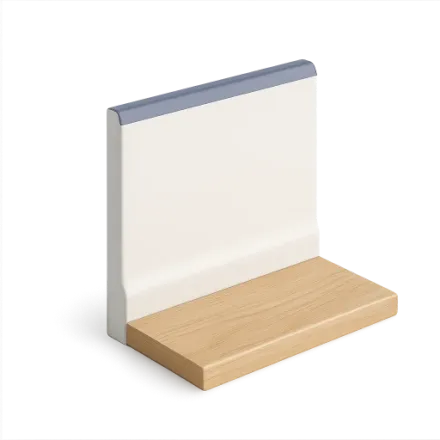
Skirting boards and corners
Where dust builds up in a visible line. Use a handheld vacuum or crevice tool.
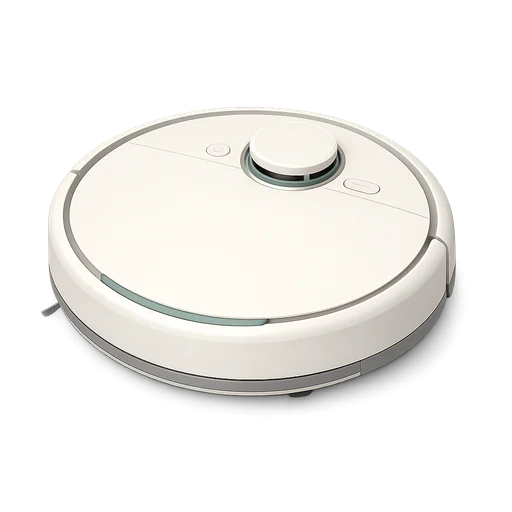
Under the bed and sofa
Which guests see when looking for a shoe.
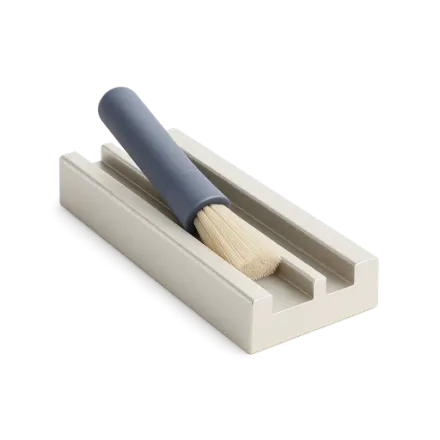
Tracks of patio doors and sliding doors
Where sand and grit collect.
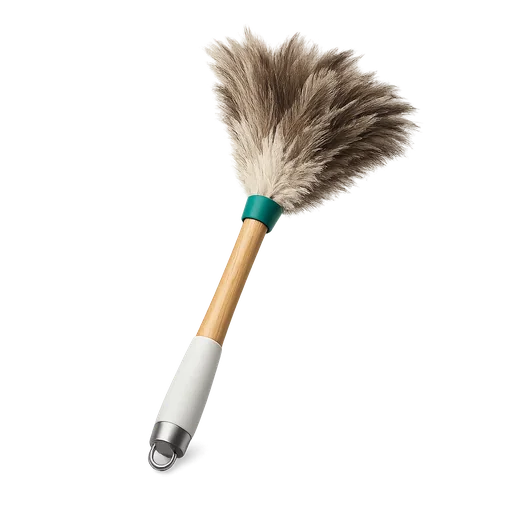
Around furniture legs
Where a quick pass goes around instead of through.
The robot vacuum does not replace any of these steps. It maintains between human cleans, on clear surfaces. Start it at the beginning of the clean while you deal with high surfaces: it works while you work.
The mop: less water, less product
The most common mistake is overdosing, and it shows immediately.
- Always vacuum first.A mop on an unvacuumed floor just makes mud and spreads hair.
- Measure by the bucket, not by eye.One capful of cleaner for five litres is enough in almost all cases. The white film on dark tiles is always too much product, never too little.
- Wring out until the mop head no longer drips.The floor should dry in two to three minutes. Any longer means too much water.
- Work in figure-eights or S-shapesBacking towards the door, and rinse the mop head in the bucket after each room, not at the end.
- Two buckets are better than oneOne for clean solution, one for dirty rinse water. This stops you repainting the floor with the water from the first pass.
On dark or shiny floors, finish with a rinse in clean water: this is the only reliable way to avoid streaks.
The steam cleaner: powerful, but not everywhere
Steam disinfects without chemicals, making it a good tool for tiled bathrooms and kitchens, and a real selling point for guests sensitive to cleaning products. But it is forbidden on three types: wood floors, laminate, and untreated porous stone. The heat and moisture do the same as on a stain, only worse and permanent.
Two precautions: never leave the steam head in one spot, and always use after vacuuming, otherwise the steam turns dust into paste.
Stairs, rugs and floor textiles
These surfaces do not follow the vacuum-then-mop logic, and they age fastest in a rental.
Stairs are done top to bottom, step by step: handheld vacuum or crevice tool on the tread and the riser corner, where dust and sand collect, then clean with the same well-wrung mop as the rest. The banister should be disinfected as you go: it is one of the most-touched points in the property, just like a door handle.
Rugs are shaken outside or vacuumed in both directions at every clean, then washed according to their label, in the machine or at the dry cleaner's, about every three months. A bath or kitchen rug that stays damp underfoot develops a musty smell long before it looks dirty.
The doormat should be shaken outside, every clean, a few steps from the door and on the side away from the wind, then banged against a wall or railing. Sweep or vacuum underneath before putting it back: this is where sand and grit build up, which end up on the entrance floor as soon as the guest arrives. A soaked doormat should dry flat or upright, never rolled, or it will smell musty for the next stay. If worn down to the backing, it no longer traps anything: replace it.
Carpet should be vacuumed in both directions at every clean, and deep cleaned once a month: use a suitable stain remover on marks, dabbing from the edge towards the centre, never rubbing, then vacuum once dry.
While you are at it, lift the sofa seat if it has storage: the "Vacuum sofa storage" task, monthly by default, collects crumbs, coins and small forgotten items that the next guest might find when looking for the remote.
Equipment to leave in the property
A cleaner arriving at a poorly equipped property improvises, and improvisation shows on the floor. The minimum for a busy rental:
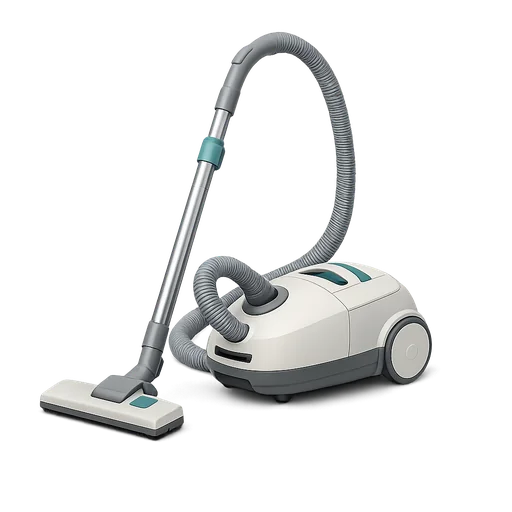
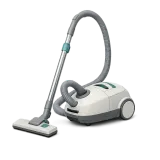
A vacuum cleaner with crevice tool and parquet brush
Bag or bin emptied after every clean;
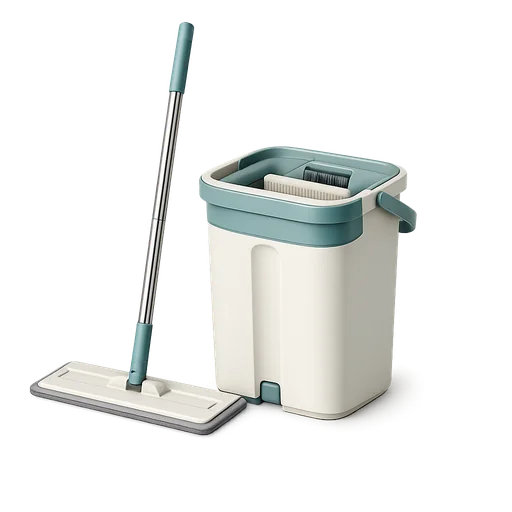
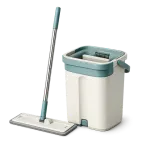
A microfibre mop
And two spare mop heads, washed at 60°C like cleaning linen, never with guest laundry;
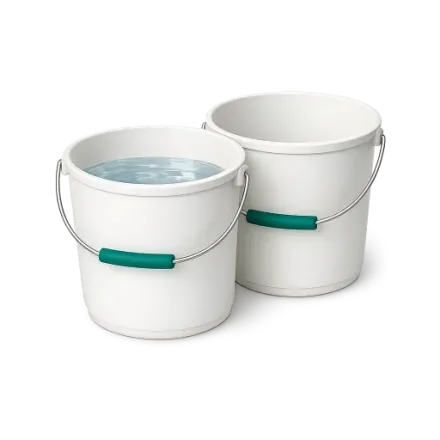
Two buckets
Or a double-compartment bucket;
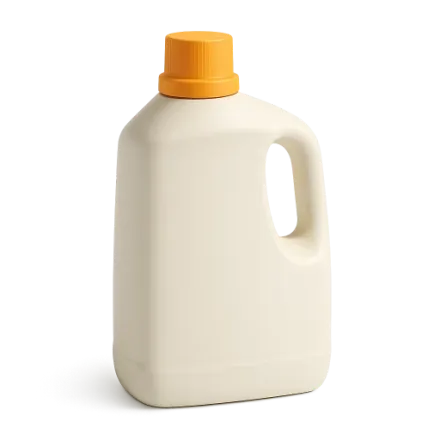
A neutral pH floor cleaner
Suitable for all the property's floor types, and a specific wood product if the floor is oiled;
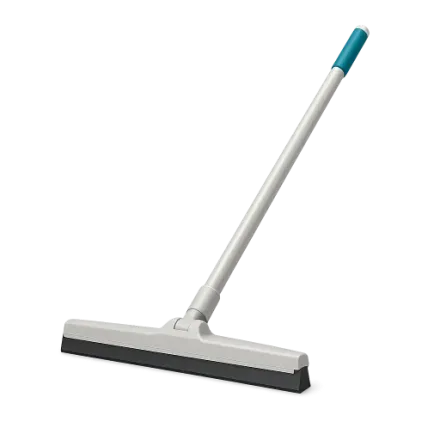
A squeegee
For walk-in shower floors and the terrace.
The floor cleaner is tracked as a consumable: the "Refill floor cleaner" task reminds you that one cap per bucket is enough and asks you to check the supply. With stock tracking enabled, the cleaner indicates at the end of the task how much is left in the bottle, and the manager is notified before it runs out.
Counted down to the roll
When ticking off the task, your cleaner enters how many rolls went out, or the level left in the bottle.
More detailsMistakes that leave marks
- Too much product: white film, sticky floor that attracts dust the next day.
- Dirty mop head used from bathroom to kitchen: it spreads bacteria instead of removing them. One mop head per area, or a thorough rinse between zones.
- Bleach on coloured grout or stone: permanent discolouration.
- Floor still wet when the guest arrives: footprints, and risk of slipping on smooth tiles. Clean the entrance last and allow time to dry.
- WC floor cleaned with the same water as the kitchen. Toilets are done separately, with their own equipment, as described in the WC, basin and mirrors guide.
Outside: terrace, leaves and garden furniture
The outside is done before the inside, for a practical reason: sweeping a terrace sends dust and debris towards the patio door. Sweep from the back of the terrace outwards, collect leaves at the end rather than continuously, and finish with a sweep over the doorstep.
Garden furniture, parasol and sun loungers are part of the same round: this is what the guest sees when opening the shutters, before even putting down their suitcase. The full outdoor method is in the terrace, garden and sun loungers guide.
Your questions
In what order should you clean a holiday let?
Always from top to bottom and from the back towards the exit: high surfaces and furniture first, floors last, outside before inside. Dust moved from above always falls to the floor; starting with the floor means having to redo it.
How do you mop a floor without leaving streaks?
Vacuum before mopping, use one capful of product for five litres of water, wring out the mop head until it no longer drips, and work with two buckets, one clean and one for rinsing. On dark or shiny floors, finish with a rinse in clean water.
Can you use a steam cleaner on a wooden floor?
No. Steam makes laminate boards swell and eventually lifts the varnish on a sealed wood floor. Reserve it for tiles, vinyl and bathrooms. On wood, a barely damp microfibre mop is still the best answer.
Is a robot vacuum enough between cleans?
It maintains, it does not clean. It does not do skirting boards, corners, under low furniture, and it does not remove grease. Use it as a complement, started at the beginning of the clean while you deal with high surfaces.
Should you vacuum or sweep a tiled floor?
The vacuum is more effective, because a broom puts some fine dust back into the air and it settles again later. The broom is still useful for large debris, the terrace and properties without a convenient socket. In both cases, sweeping or vacuuming always comes before mopping.
How often should you clean a carpet in a holiday let?
Vacuum at every clean, in both directions, and deep clean once a month. Avoid wet cleaning when turnover is tight: a carpet that does not dry completely in a day develops a smell that is much harder to deal with than a stain.

Written by Janik Thoisy
Janik Thoisy manages short-term rentals day to day and shares her cleaning and organisation methods here.
Published on August 13, 2026 · Updated on November 8, 2026
Read next
 Airbnb Cleaning Checklist: Room-by-Room List for HostsAirbnb cleaning checklist for every turnover: room-by-room list, cleaning order, a one-page version, Airbnb's 5 steps and the 10 spots everyone forgets.Cleaning tips
 Clean an Airbnb in 1 Hour: The Minute-by-Minute MethodClean an Airbnb in 1 hour: room order, timing by area, equipment kit, and the pitfalls that make the clock run over between guests.Cleaning tips
 Airbnb Cleaning Supplies: 15 Essentials for Your KitAirbnb cleaning supplies: the 15 essential products for a short-term rental, their uses, annual budget, reserve to keep and stock tracking.
One property free to put all of this in place, for as long as it takes.