
Washing rental linen: temperatures and process
Sorting, temperature, dosing, drying, ironing: the complete linen process for a holiday let, with tips to avoid musty smells and greying linen.
Linen is the only cleaning task that keeps working after the cleaner has left. Start the machine too late, leave the drum closed, overload it, and it’s the next clean that suffers: linen still damp, a musty smell, or worse, a set that needs rewashing with guests arriving in three hours. This guide covers the full process, from collecting dirty linen to folding, with the temperatures and dosages that work for the long term.
The process in five steps, and their timing
| Step | Frequency | Key point to watch |
|---|---|---|
| Collect dirty linen | At every clean | Closed bag, never on the floor |
| Run a wash | At every clean | 3/4 full, not packed tight |
| Hang out the linen | At every clean | Unfolded, within an hour of spinning |
| Tumble dry | At every clean | Remove warm, not hot |
| Iron the linen | At every clean | Only visible areas |
These five tasks follow on from each other, but they don’t all happen at the same point in the clean. The machine should be started first, before anything else, or it’ll still be running when the cleaner leaves.
Collecting dirty linen without contaminating the clean
The very first step, before vacuuming or surfaces: strip the beds and empty the bathroom. Two rules to avoid accidents:
- A dedicated, closed bag or box, never a pile on the bed or floor. Dirty linen from a stay can contain anything, and must never mix with clean linen in the same container.
- Sort as you collect, not in front of the machine. Whites one side, colours the other, tea towels and mops separate. A kitchen cloth washed with bath towels spreads food grease into the terry.
Heavily stained linen should go straight for pre-treatment, not into the main wash: a stain washed at 60°C without treatment is a stain set for good.
Temperatures, without the myths
Two guidelines cover almost all linen in a holiday let.
- 60°C for white cotton bed and bath linen. This is the standard temperature to kill dust mites and most bacteria. It also keeps whites bright over time.
- 40°C for colours and mixed fibres, with thorough drying afterwards. At this temperature, it’s the drying that does the sanitising, not the wash: it’s leftover moisture, not a missing degree, that causes odours.
Two exceptions are worth checking the label for: printed duvet covers, which don’t handle repeated 60°C washes well, and waterproof mattress protectors, whose membrane peels above 50°C and especially in a hot tumble dryer.
90°C is pointless for routine washes: it wears out fibres, uses more energy, and does nothing extra compared to 60°C on regularly washed linen. Save it for specific incidents.
Dosage, load and drum
Three mistakes explain almost all issues with greying or scratchy linen, and they’re all linked:
- Too much detergent. The excess doesn’t rinse out, it deposits. Linen that feels rough or stiff has been over-dosed, not under-rinsed. Dose for your local water hardness, not out of habit.
- An overloaded machine. Linen needs space to move. The fist rule: you should be able to stand your hand upright between the top of the drum and the linen. Any more, and rinsing won’t happen properly.
- Leaving the drum closed. After the last cycle, leave the door ajar and the detergent drawer open. A closed door on a damp drum guarantees odour within forty-eight hours.
A monthly clean of the machine itself, empty cycle at 90°C with white vinegar or a dedicated product, plus cleaning the seal and filter, stops the machine becoming the source of the smell it’s meant to remove.
Drying: the only step that really eats up time
Drying is the bottleneck in the whole process. Two options, and they’re not interchangeable.
The tumble dryer is the only reliable way to do two loads in one day. Three precautions:
- Empty the filter after every cycleNo exceptions. A clogged filter doubles drying time and overheats the machine.
- Take the linen out while still slightly warmNever hot and bone dry. The fibres last longer, and most creases drop out by themselves.
- Fold straight away.Warm linen left in a heap in the basket comes out with creases that ironing can only partly fix.
Air drying is fine for properties without same-day changeovers. The rule: hang out unfolded within an hour of spinning. Linen left rolled up in the drum will smell, and no amount of fabric softener will fix it. Snap each piece sharply before hanging: this, not ironing, removes most creases.
Ironing, but only what’s visible
Ironing all the linen in a holiday let isn’t worth the time. What’s visible, though, really is: guests photograph the bed, not the fitted sheet.
Focus the iron on three areas:
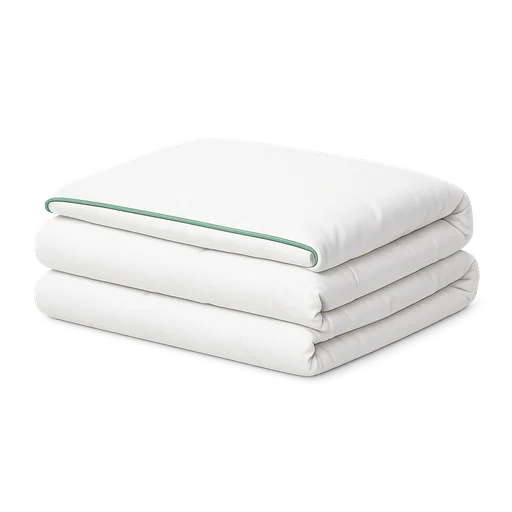
The top of the duvet cover
The third that shows once the bed is made.
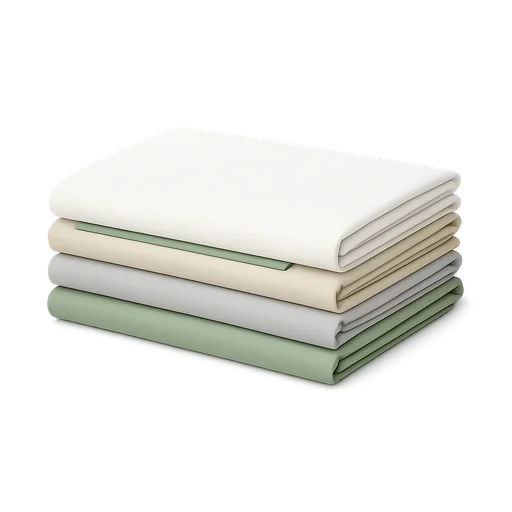
Pillowcases
The most looked-at items in the bedroom.
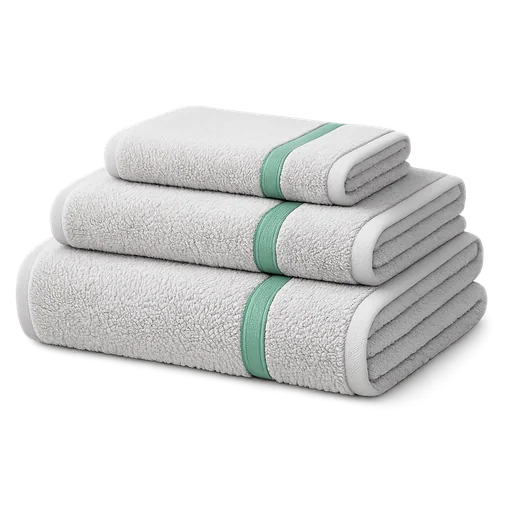
Tablecloth and napkins
If the property provides them.
The rest, fitted sheet included, doesn’t need ironing if it’s taken out warm and folded straight away. A vertical steam steamer does this twice as fast as an iron and board, straight onto the made bed.
Outsourcing, and when to do it
The threshold is a calculation, not a feeling. Count the real time for the full process, sorting, washing, drying, folding, putting away: between forty-five minutes and an hour and a half of human work per changeover, depending on property size. Multiply by your monthly changeovers and compare to the local laundry’s per-kilo rate.
The tipping point is usually around fifteen to twenty changeovers a month, or as soon as a property has no tumble dryer. The real gain isn’t financial: it’s removing the risk of a clean blocked by a late machine.
Your questions
What temperature should I wash short-term rental linen at?
60°C for white cotton bed and bath linen, 40°C for colours and mixed fibres as long as you dry thoroughly afterwards. Check the label for printed covers and waterproof mattress protectors, as their membranes don’t handle repeated heat well.
Why does my linen smell musty even though it’s just come out of the machine?
In almost all cases, the linen was left too long in the drum after the cycle finished, or the machine itself is dirty. Dry or hang out within the hour, leave the door ajar between cycles, and run an empty 90°C cycle with white vinegar once a month.
Do I need to iron all the linen in a holiday let?
No. Focus on the top of the duvet cover, pillowcases, and table linen, the only areas guests really see. The rest needs nothing if it’s taken out of the dryer warm and folded straight away.
How much detergent should I use?
The amount recommended for your water hardness, no more. Excess doesn’t rinse out and builds up on the fibres: that’s what makes linen stiff, greyish, and less absorbent. Skip fabric softener on towels and use half a cup of white vinegar instead.
Can I wash tea towels with bath towels?
No, always keep them separate. Kitchen cloths carry food grease that transfers onto terry towels and clogs them up. Make three piles when stripping: white bed and bath linen, colours, tea towels and mops.
When should I switch to a laundry service?
Usually around fifteen to twenty changeovers a month, or as soon as a property has no tumble dryer. Work out the real human time for the full process, between forty-five minutes and an hour and a half per changeover, before comparing to a local provider’s per-kilo rate.
Read next
 Changing Bed Linen in Rentals: The 8-Minute MethodSheets, duvet cover, pillowcases: the step-by-step method to remake a furnished rental bed in 8 minutes, fold a fitted sheet, and know how often to change everything.Linen and laundryBath linen for holiday lets: quantities, folding and rotationHow many towels per guest, which weight to choose, how to fold and present them: the practical guide to bath linen for short-term rentals.Linen and laundry
 Duvet, mattress protector, pillows: care in short-term rentalsBedding you don't change after every guest: how often to wash duvets, mattress protectors and pillows, and how to care for them without damage.
Move from theory to practice.
One property free to put all of this in place, for as long as it takes.