Babies and Pets: Preparing a Property to Welcome Them
Travel cot, bowls, litter tray, pet bed, toys: what to put out only when requested, how to store it, and the hygiene standards to follow between stays.
Welcoming a baby or a pet does not mean permanently adapting your property: it means getting out the right equipment at the right time, and cleaning it differently from everything else. This is exactly the sort of task that gets forgotten, because it is not needed for every clean and depends on information given at booking. This guide covers the conditional: what to put out only if requested, and how.
Conditional tasks
| Task | Condition | Frequency |
|---|---|---|
| Put out the travel cot | Baby requested | For each relevant stay |
| Put out colouring books | Child requested | For each relevant stay |
| Put out soft toys | Child requested | For each relevant stay |
| Fill the water bowl | Pet requested | For each relevant stay |
| Put out the food bowl | Pet requested | For each relevant stay |
| Put out the litter tray | Pet requested | For each relevant stay |
| Put out the pet bed | Pet requested | For each relevant stay |
These tasks should appear on the checklist only when the condition is met. If a cleaner sees “put out the travel cot” on every clean, they will eventually stop reading it, and miss the one time it really matters.
Babies: safety before equipment
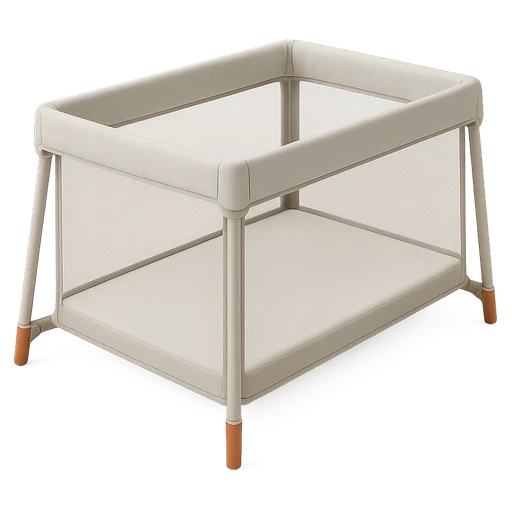
The travel cot is the only piece of equipment in a holiday let where a fault can have serious consequences. Three checks every time you put it out, not just when you buy it:
- All four sides locked, tested by pulling firmly upwards. If one side is not locked, it will collapse under the child’s weight.
- The original mattress and only the original mattress, exactly the right size. No extra mattress, no pillows, no duvets: the official advice for infant sleep is clear and consistent on this, as repeated by Santé publique France.
- No torn parts, no holes in the mesh, no cracked plastic.
Cleaning: wipe the frame with a gentle cleaner and wash the mattress cover at 60°C between families, making sure it is fully dry. Provide a fitted sheet with the property’s linen, rather than leaving parents to improvise.
Other baby equipment depends on your offering: high chair with checked harness, stair gate, socket covers, baby bath. Each addition widens your market but adds another item to check.
Colouring books and soft toys are about thoughtfulness. Two rules: brand new crayons and books for each stay, never leftovers from the last guests, and washable soft toys, machine washed between families. A soft toy that cannot be washed should not be passed from child to child.
Pets: three items and a protocol
Welcoming pets opens up a real market, as long as you are organised. The essentials are three items, only put out when requested:
- Two bowls, one for water (filled on arrival), one for food (left empty).
- A pet bed or mat, clean and medium-sized.
- A litter tray with scoop, in properties that accept cats.
The hygiene for this equipment is not the same as for the rest of the property. Bowls should be washed separately from guest crockery, ideally in a dedicated basin, and the pet bed should be machine washed or, if not possible, replaced regularly. These are the only items in the property that justify a separate cleaning process.
After a pet stay, add two steps to your usual clean: a thorough vacuum of all textiles, including sofas and rugs where hair gets embedded, and extra airing. A damp rubber brush on fabric will pick up hairs the vacuum misses.
Be clear in your listing about what you accept: size, number, access to bedrooms and sofas. A written rule is easier to enforce than an unwritten one. You may want to charge a pet cleaning fee, which is not a penalty but covers the real extra time required.
Storage: the key to everything
All this equipment has one thing in common: it is rarely used and takes up space. Three rules to keep it usable:
- A single, clearly identified place, known to all cleaners, ideally the same in all your properties.
- Stored clean and dry, never put away dirty. A damp travel cot folded up will go mouldy in its bag and only be discovered when you get it out in front of the parents.
- Checked every six months, even if unused: plastics age, foam sags, covers yellow.
The information “this property has a travel cot” should live in the property file, not in the manager’s memory, or it will disappear the first time you change cleaners. The same logic applies as for Dosing Consumables: The Method That Prevents Running Out.
Your questions
What baby equipment should you provide in a holiday let?
A travel cot with its original mattress and a fitted sheet, and depending on your offering, a high chair, stair gate and socket covers. Each addition widens your market but adds another item to check: only offer what you can regularly inspect.
What should you check on a travel cot before each use?
All four sides locked, tested by pulling firmly upwards, the mesh and plastic parts intact, and only the original mattress present. Never add an extra mattress, pillow or duvet: the advice on infant sleep is clear and consistent.
How do you clean pet bowls and beds?
Separately from guest crockery, in a dedicated basin for bowls. The pet bed should be machine washed if possible, otherwise replaced regularly. These are the only items in a property that justify a separate cleaning process.
Should you charge extra for pets?
It is fair if cleaning time genuinely increases: extra vacuuming of textiles, longer airing, cleaning the dedicated equipment. Present it as a service, not a penalty, and state clearly in your listing the size and number of pets accepted.
How do you remove pet hair from a sofa?
A slightly damp rubber brush on the fabric will gather hairs the vacuum misses. Follow with a vacuum using the upholstery nozzle. Allow extra time for this in your cleaning schedule after a pet stay.
Where should you store baby and pet equipment between stays?
In a single, clearly identified place, known to all cleaners, stored clean and completely dry. A damp travel cot folded up will go mouldy in its bag and only be discovered when you get it out in front of the parents. Check all equipment every six months, even if unused.
Read next
 25 little touches that transform your guests’ stay25 little touches, sorted by budget (£0, under £5, under £20), to impress your Airbnb guests and earn more 5-star reviews.Guest experience
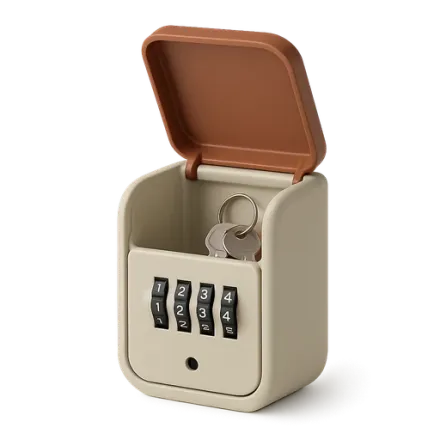 Self check-in: key safe or smart lock?Key safe, smart lock, secure box: comparison of self check-in solutions, security, costs, and coordination with cleaning teams.Guest experience
 Welcoming Families with Children in Short-Term RentalsCot, safety, toys, family-friendly listing: the complete guide to welcoming families with children and earning 5-star reviews.
Move from theory to practice.
One property free to put all of this in place, for as long as it takes.