Airbnb Decoration: The Wow Effect Without Blowing the Budget
Key rooms, easy-care materials, listing photos: the method for short-term rental decoration that stays profitable and lasts season after season.
A guest doesn't rent square metres: they rent a promise. That promise is made in 3 seconds on your cover photo, then remade at check-in, when they open the door and decide, before they've even put down their suitcase, if your place deserves 5 stars or just a lukewarm comment.
Good news: the wow effect isn't about having an unlimited budget, but about setting priorities, choosing the right materials, and staying disciplined over time. Here’s how to decorate your short-term rental like a pro, without killing your profits.
Why decoration is an investment, not an expense
Let’s start with the numbers, because they change how you approach the whole subject.
According to a Vrbo survey of 1,758 travellers, 86% of guests are willing to pay more for a listing perceived as higher quality, 92% among Gen Z: and 77% cite quality bedding and linen as a key signal, just behind spotless cleanliness (Vrbo / Businesswire).
The effect also shows up in your pricing: a Cornell study found that one extra review point (out of 5) lets you raise your price by about 11% at the same occupancy rate (Cornell / eCornell). Decoration directly impacts your overall rating: it’s what turns a “fine” stay into a “memorable” one.
To put it concretely, with an average nightly rate of around €118 in France, earning €10 more per night thanks to great decor means about €2,000 extra per year for a property booked 200 nights. A decor budget of €1,500 to €3,000 pays for itself in just a season or two.
Priority rooms: where to focus 80% of your budget
Three areas have the biggest impact on your photos, reviews, and first impressions.
1. The bedroom: the bed is your product
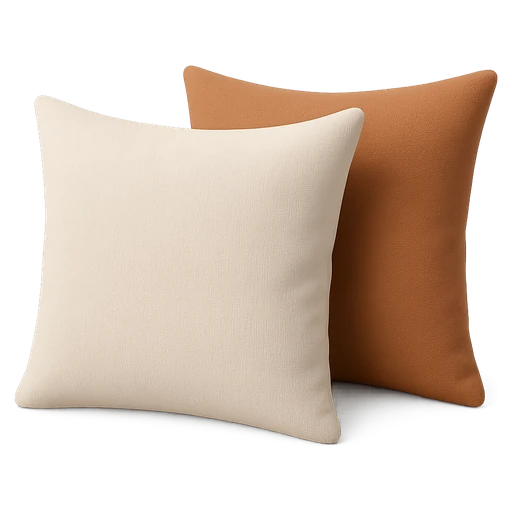
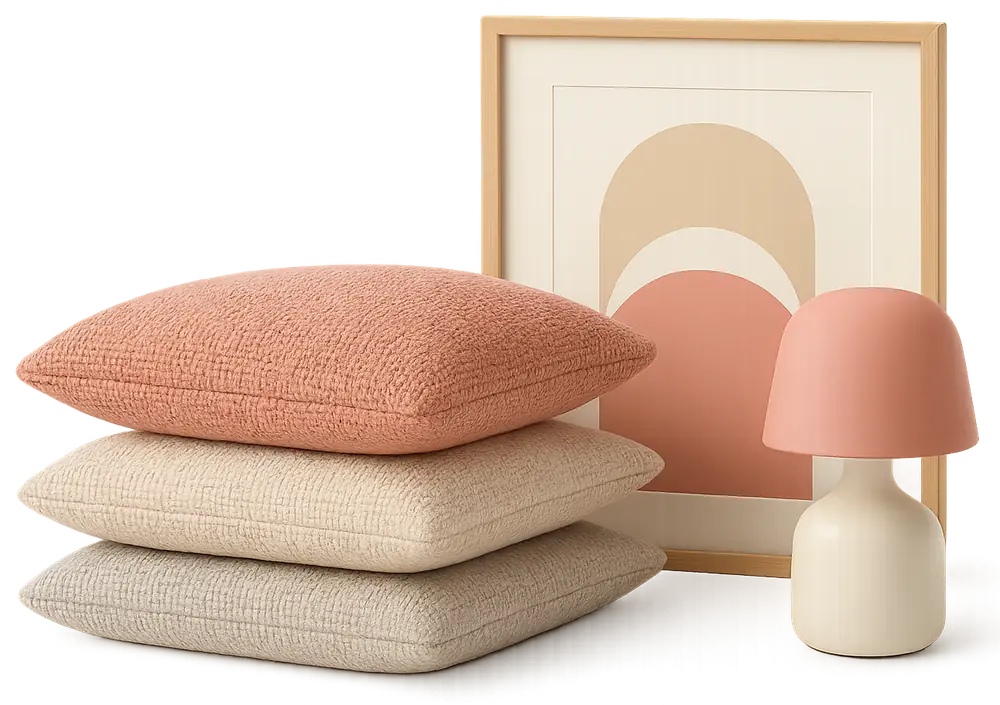
This is the room your guest is really “buying”. Invest in a proper bed base, hotel-quality mattress, and a striking headboard: the headboard makes the photo. For linen, go for white: it photographs best and is easier for laundry. Professional-grade sheets last about 180 washes, compared to 80 for standard sheets, so the cost per use is a third lower (Ecolinge). Add a textured throw and 2-3 decorative cushions: £60-£80 that transform your main photo.
2. The living room: your cover photo is made here
The living room is almost always your listing’s first photo. Priorities: a sofa with removable, machine-washable covers and clean lines, a large rug, a statement light fitting, and a feature wall (paint or wallpaper on one wall, £50-£150). Avoid mismatched hand-me-down furniture: better to have fewer pieces, but coordinated.
3. The bathroom: small space, big impact
No need to redo the tiles. An oversized mirror, black or brass taps, fluffy towels folded hotel-style, and a matching soap dish are enough to create a spa feel, for £150-£300.
The kitchen and hallway come after: stick-on splashbacks, new handles, and attractive crockery on display are usually enough.
Welcoming Families with Children in Short-Term Rentals
Think “listing photo” before you think “pretty”
A simple rule guides all your choices: if it doesn’t show up in the photos, it’s not a priority. Your decor’s first job is to make your listing stand out, because that’s what gets bookings.
Some tips from professional photo shoots:
- One focal point per room: large wall art, colourful headboard, sculptural pendant light. The eye needs somewhere to land.
- Contrast: light walls + one dark or colourful element. All-beige photos blend into the search results.
- Warm lighting: at least 3 light sources per room. Lighting is half the photo.
- A clear theme: seaside, industrial loft, country chic… A consistent thread makes your listing memorable and makes future purchases easier.
Airbnb’s help centre details its recommendations for listing photos, horizontal framing, natural light, tidy rooms, worth checking before any shoot (Airbnb Help Centre).
Materials and textiles: beautiful, durable AND easy to clean
Most decor guides forget this: in short-term rentals, every decor choice is also a cleaning choice. A beautiful but fragile or high-maintenance item becomes a recurring cost. Here’s how to make the right calls:
| Favour | Avoid |
|---|---|
| Removable, machine-washable sofa covers | Light-coloured velvet, white leather |
| Short-pile, patterned, washable rugs | Long-pile shaggy rugs |
| Washable paint (satin finish) | Fragile matt paint |
| White linen, washable at 60°C | Coloured linen that runs |
| Laminate or quartz worktops | Porous marble, untreated raw wood |
| Wall art fixed in place (screwed frames) | Lots of loose ornaments |
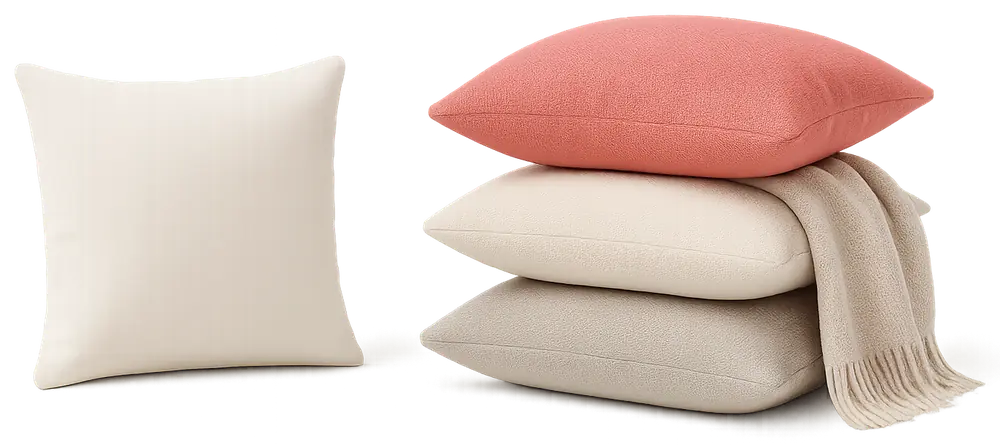
60°C washing is still the hotel standard for bed linen: the temperature that kills dust mites and bacteria while preserving fibres (Direct Hôtellerie). Always check the care label, curtains, covers, throws, before you buy, not after the first stain.
Think second-hand and sustainable too: vintage furniture, eco-labelled paints, certified textiles. ADEME publishes useful guides on eco-labels and sustainable furnishings, a selling point more and more guests value.
Small budget, big impact: 7 upgrades under £500
If you can’t do everything, do these, in order:
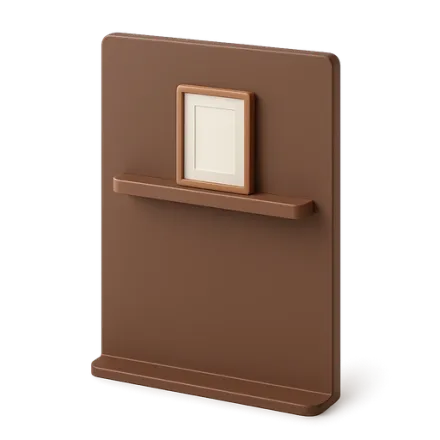
A feature wall
In the living room or bedroom (paint): £40-£80.
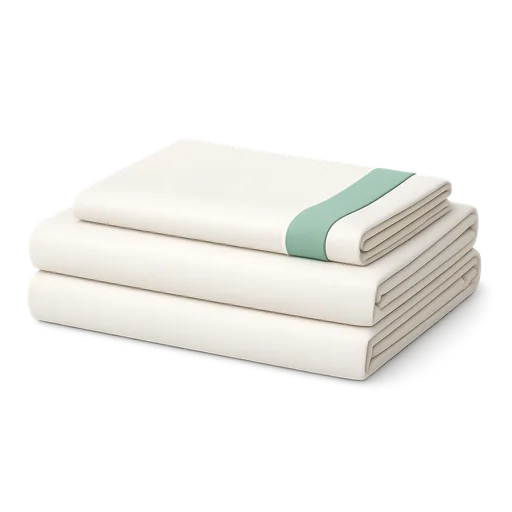
Hotel-quality white bedding
+ throw + cushions: £150-£250 per bed.
Three warm light sources
Per living area (2700K bulbs): £80-£150.
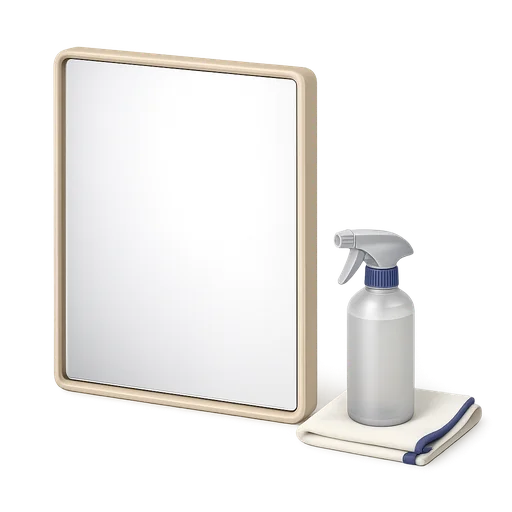
A large mirror
To open up the space and double the light: £50-£120.
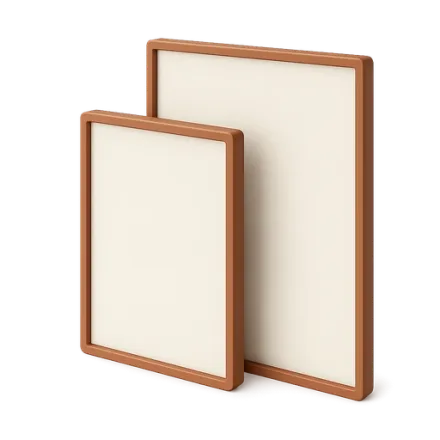
Two or three large framed posters
Linked to your region: £60-£100.
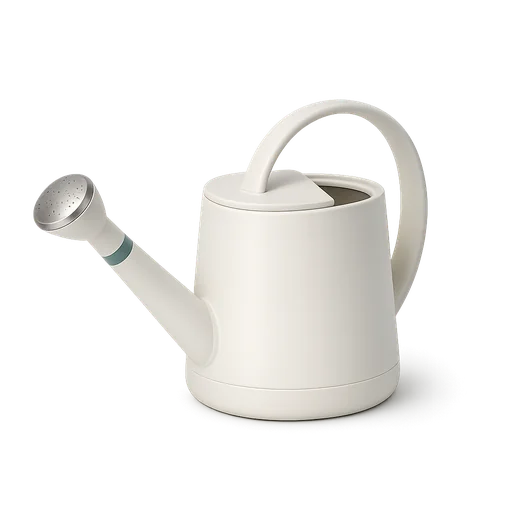
Plants
Real if you can maintain them at each clean, high-end artificial otherwise: £40-£80.

A proper coffee machine set up
(tray, matching cups): £60-£120.
These tick all three boxes: visible in photos, noticed on arrival, mentioned in reviews. They pair perfectly with small welcome touches that cost just a few pounds per stay: 25 little touches that transform your guests’ stay.
The 5 costly decor mistakes
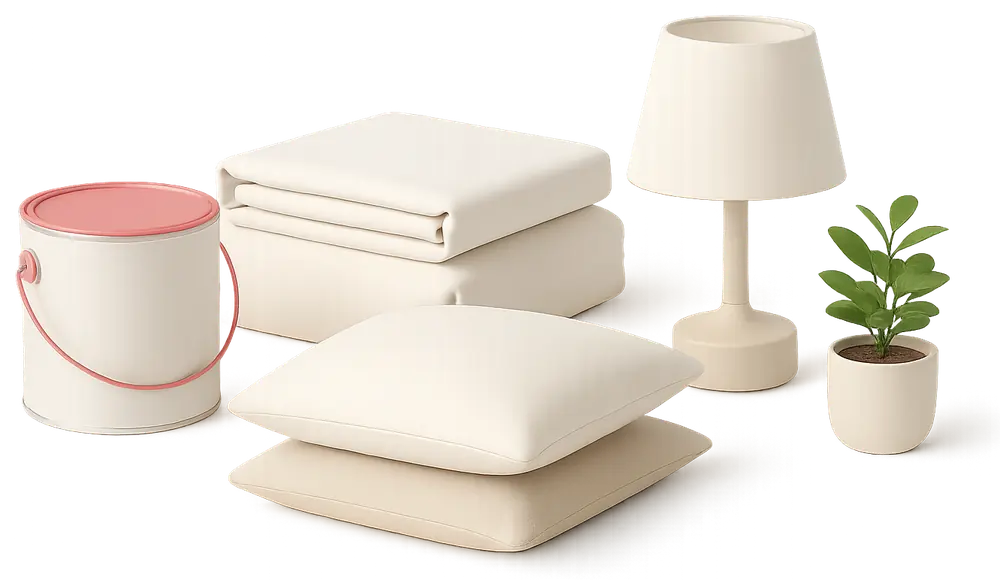
- Overcrowding: every ornament is another thing to dust and break. Aim for 5 to 8 decorative items per room, not 30, your cleaning times will thank you.
- Decorating for yourself: personal collections and family photos don’t belong. Guests want to imagine themselves there, not visit your life.
- Lack of consistency: a Scandi lounge, a baroque bedroom, and a 90s bathroom feel cobbled together.
- Choosing fragile items: thin glass, wobbly ceramics, white floors that show every mark. If it can break, it will.
- Forgetting to refresh: plan a light update every 2-3 years (cushions, posters, throw), £200 is enough to make your listing look new.
Finally, tell the story of your decor in your welcome book (vintage finds, local makers): a great way to add personality, see Local recommendations: the guide that delights your guests.
Keeping the wow effect, stay after stay
The real challenge isn’t creating the wow effect: it’s reproducing it exactly after every clean. A throw tossed carelessly, squashed cushions, a lamp moved, and your place no longer matches the photos, the number one reason for guest disappointment. The hotel solution: standardised staging.
- Photograph each room “in perfect condition”: cushion positions, throw fold, items on the coffee table.
- Add these reference photos to your cleaning checklist for each property: the cleaner copies the scene, they don’t improvise.
- Require a final photo of each room after cleaning: you check remotely that everything’s right before every arrival.
- List decor items in the inventory checked at each clean: a chipped vase or stained cushion is flagged immediately, not discovered by the guest.
This discipline turns your decor into a controlled asset instead of a set that quietly deteriorates. A property that matches the photos at every arrival is a promise kept, and the reviews follow.
Conclusion
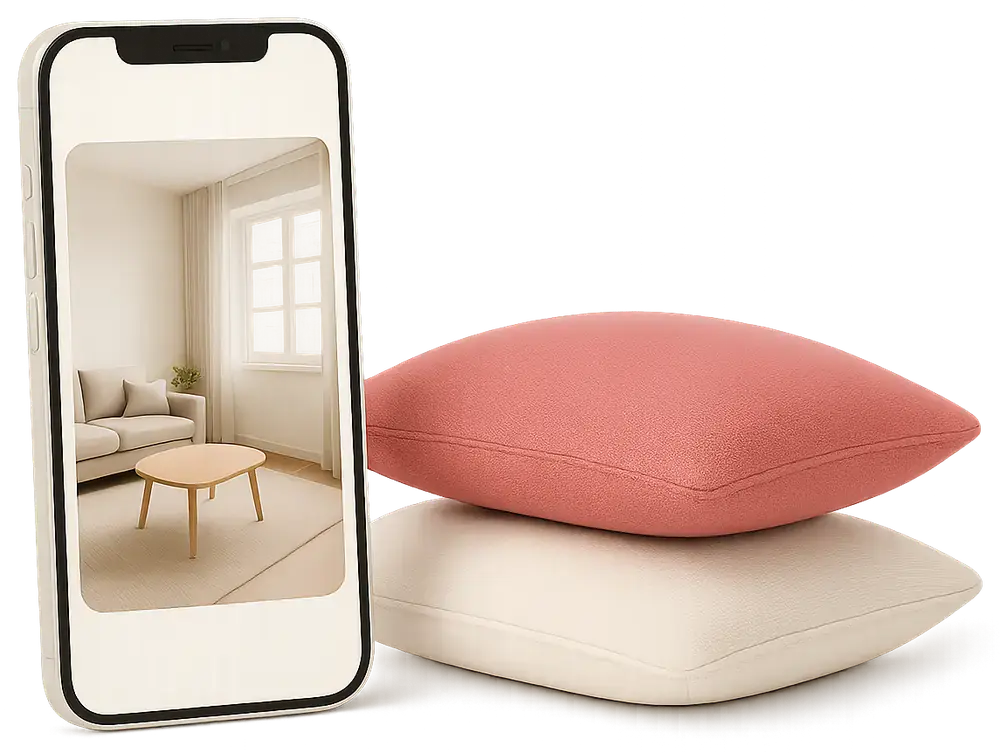
The wow effect is a simple equation: clear priorities (bedroom, living room, bathroom), materials that survive frequent turnovers, and staging that’s reproduced exactly after every clean. That last point is what separates rentals that disappoint from those that rack up 5-star reviews.
With Cleanclac, add your staging photos to the cleaning checklists for each property: your cleaners recreate the perfect setup room by room and send their final photos, which you approve remotely before every arrival. Your decor always matches your listing photos, stay after stay, find out more at cleanclac.com.
Your questions
What budget should I plan for decorating a short-term rental?
Allow £1,500 to £3,000 to transform a furnished one-bed flat (bedding, lighting, feature wall, textiles, wall art), and £8,000 to £15,000 for a full quality fit-out. Prioritise bedroom, living room, and bathroom: these three areas have the biggest impact on photos and reviews, and the budget pays for itself in one or two seasons.
What colours work best for an Airbnb rental?
A neutral, light base (off-white, beige, light grey), warmed up with one feature wall per living space (terracotta, sage green, deep blue) and colourful textiles that are easy to swap. This photographs well, appeals to most guests, and lets you refresh the look cheaply by changing cushions and posters.
Does decoration really influence guest reviews?
Yes. 86% of guests say they’d pay more for a higher-quality listing, and 77% mention quality bedding as a key signal. Thoughtful decor also gets spontaneous mentions in reviews (“beautiful flat, just like the photos”), which reassures future guests and boosts your conversion rate.
Should I hire a professional decorator?
For one or two properties, a home stager offering “consultation” packages (£300-£800 for a layout plan and shopping list) is often the best value. Full project management makes sense for high-end properties, where each review point can mean about 11% more on your nightly rate according to the Cornell study.
How can I protect my decor from damage?
Choose washable, robust materials (removable sofa covers, washable paint, screwed-in frames), limit loose fragile items, and include decor in the inventory checked at each clean. A final photo of each room after cleaning timestamps any damage and gives you solid evidence for any claim.
How often should you refresh your rental’s decor?
A light refresh every 2 to 3 years (textiles, posters, small items, paint touch-ups) is enough to keep your photos attractive, use the opportunity to update your listing photos too. Main furniture (sofa, beds, tables) is usually replaced every 5 to 8 years, depending on how busy your place is.

Written by Janik
Published on August 7, 2026 · Updated on August 23, 2026
Read next
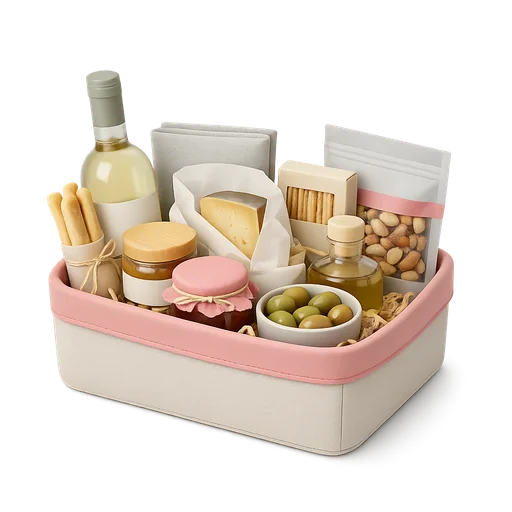 25 little touches that transform your guests’ stay25 little touches, sorted by budget (£0, under £5, under £20), to impress your Airbnb guests and earn more 5-star reviews.Guest experience
 Self check-in: key safe or smart lock?Key safe, smart lock, secure box: comparison of self check-in solutions, security, costs, and coordination with cleaning teams.Guest experience
 Welcoming Families with Children in Short-Term RentalsCot, safety, toys, family-friendly listing: the complete guide to welcoming families with children and earning 5-star reviews.
Move from theory to practice.
One property free to put all of this in place, for as long as it takes.