How to Clean a Holiday Let Kitchen Between Stays
A complete method for cleaning a holiday let kitchen: oven, fridge, microwave, dishes, common pitfalls, and realistic timing.
A hair in a glass, greasy hob, or a suspicious smell when opening the fridge: just one of these details can turn a five-star stay into a lukewarm review. The kitchen is where guests handle the most items, so it’s also where they spot a rushed clean the fastest. With check-out at 11am and check-in at 3pm, time is tight. Here’s a complete method for a spotless kitchen between stays, without spending all afternoon on it.
Why the kitchen is the most closely inspected room by guests
Unlike a hotel room, a short-term rental comes with its own kitchen, and guests use it as their own: cupboards opened, dishes taken out, fridge checked before putting away their shopping.
The numbers speak for themselves: 78% of guests cite spotless cleanliness as the number one sign of quality in a listing (Vrbo / Businesswire), and lack of cleanliness is reported by 33% of guests in short-term rentals (ConsumerAffairs). On the flip side, effort pays off: listings rated 5 stars for cleanliness are booked around 25% more often (Smoobu).
The half hour spent on the kitchen is a direct investment in your rating and booking rate. To see how these details turn into negative reviews, check 10 cleaning mistakes that cost you bad reviews.
Before you start: the time-saving order
A kitchen should be cleaned in a specific order: stick to it and you’ll avoid doubling up on tasks, ignore it and you’ll lose 15 to 20 minutes per turnover.
- Start long cycles first.As soon as you enter: empty the dishwasher, reload it with dirty dishes from the stay, and start the cycle. The machine works while you clean the rest.
- Apply products that need time to work.Degreaser on hobs and splashback, oven cleaner on the sides: let them work while you tackle the fridge.
- Clean from top to bottom.Extractor hood and tops of cupboards, then splashback and worktop, then fronts and appliances, and finally the floor, always last.
- Finish with touch points.Cupboard, fridge, and oven handles, knobs, switches: the most-touched surfaces, always disinfect, a key part of the 5-step enhanced cleaning protocol promoted by Airbnb, detailed on the Airbnb Help Centre.
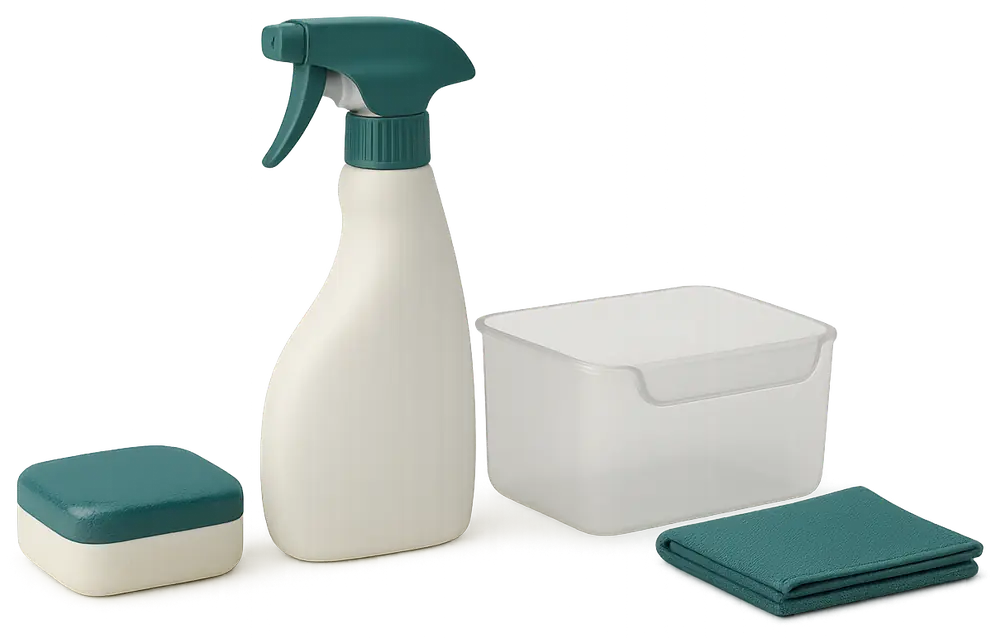
As for kit, a caddy dedicated to the kitchen is enough: degreaser, cream cleaner, white vinegar, microfibres (different colour code from the bathroom), scraper and gloves. Warning: never mix bleach with acidic or ammonia-based products, the fumes are toxic, as ANSES reminds us about cleaning and biocidal products.
Appliances: oven, microwave, and hobs, the high-risk trio
This is where the difference between a decent clean and a professional one is made. If a guest opens a greasy oven, they’ll instantly assume “the rest must be the same”.
The microwave: 3 minutes, no excuses
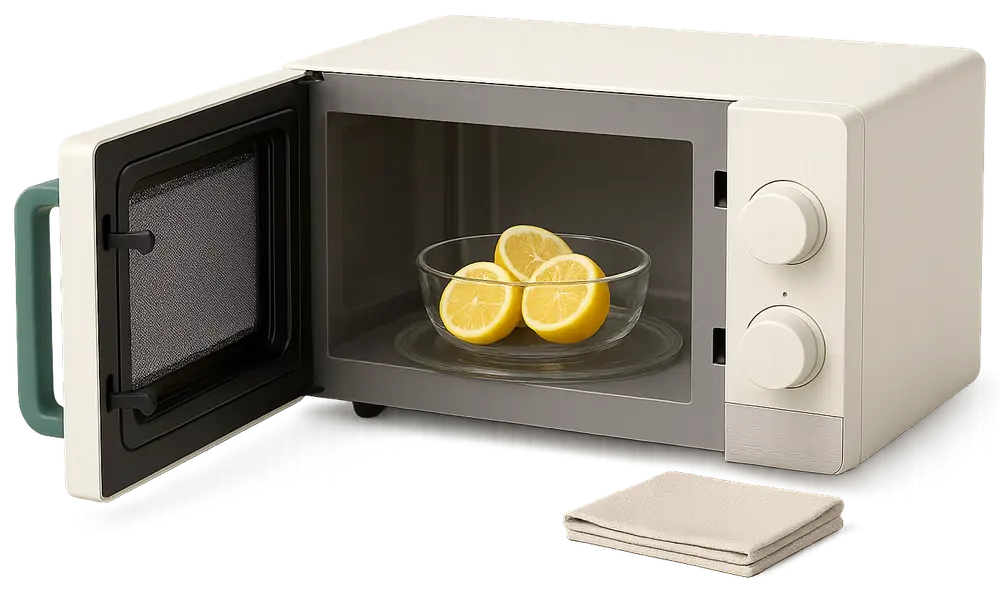
Check every single turnover, no exceptions. Heat a bowl of lemon or vinegar water for 2, 3 minutes: the steam loosens splatters. Wipe the sides, ceiling (often missed), turntable, which can be rinsed under the tap, and door seal. Finish with the exterior and keypad.
The oven and hobs
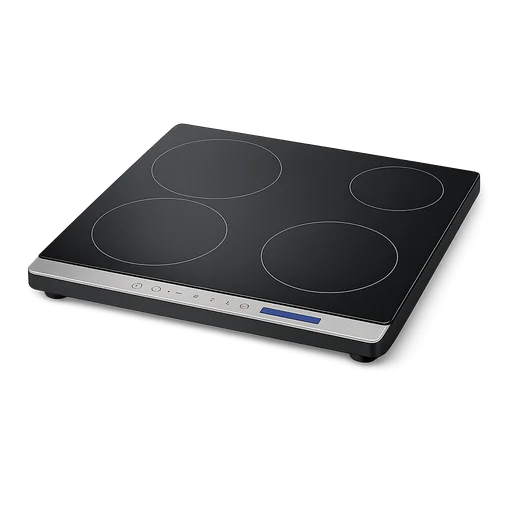
Always check visually at every departure (racks, tray, inner glass), and deep clean if the oven’s been used. For ceramic or induction hobs: use a special glass scraper and dedicated cream; for gas, soak the racks in the sink at the start of the clean. The oven glass can be revived with a bicarb paste left to sit.
The extractor hood, the giveaway detail
Greasy filter and sticky surface: the hood is rarely cleaned, often noticed. Degrease the surface every turnover and put the metal filters through the dishwasher once or twice a month. For the kettle and coffee maker, which quickly scale up, follow the dedicated guide: Descaling Appliances in Your Rental: The Guide.
The fridge: empty, check, neutralise odours
Opening the fridge on arrival is almost universal, and a dodgy smell at that moment is nearly impossible to recover from.
The between-stays procedure:
- Remove all perishable food left by guests: anything opened or perishable goes in the bin, only your own welcome items stay (new condiments, bottle of water).
- Wipe shelves, drawers, and door compartments with vinegar water, taking out the veg drawers where liquids and crumbs collect.
- Check the door seal, a mould hotspot, with a soft brush or vinegar cloth.
- Check the freezer: a clean ice tray is a nice touch; previous guests’ frozen food is a big no.
- Neutralise odours: leave the door ajar during cleaning, place a bowl of bicarb if the property will be empty for a few days.
A full fridge clean takes 5 to 8 minutes if done every turnover, and 30 minutes if it’s been neglected for a month.
Crockery, cupboards, and utensils: the check everyone skips
A quirk of short-term lets: “clean” dishes aren’t always clean, as many guests hand-wash quickly and badly before leaving. If your team just checks the sink is empty, the next guest will find a glass with limescale or a greasy pan, and 95% of guests mention cleanliness in their review.
The effective protocol:
Visually check all dishes used
During the stay: hold glasses up to the light, check inside pans, knife blades.
Put anything doubtful through the dishwasher
That’s what the cycle started at the beginning is for.
Open every cupboard
You’ll often find dirty dishes put away, crumbs, or leftover pasta from the previous stay.
Check the inventory
Broken glasses, missing corkscrew, stained chopping board, report straight away so you can restock before the next arrival.
Replace tea towels and sponges every turnover.
A used sponge is a breeding ground; count them as consumables like loo roll.
Sink, worktop, floor: the finishing touches that say “clean”
These three surfaces shape the guest’s first impression in a split second.
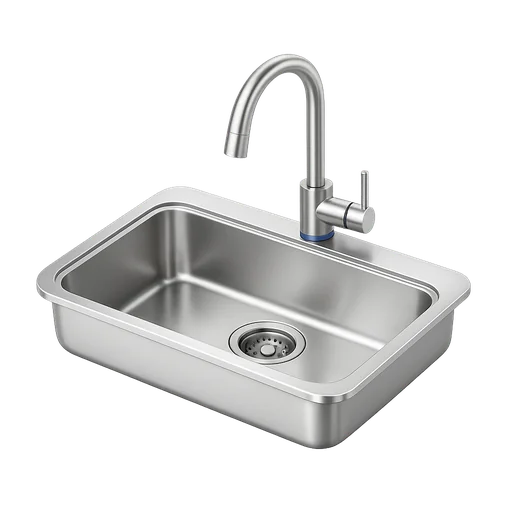
The sink
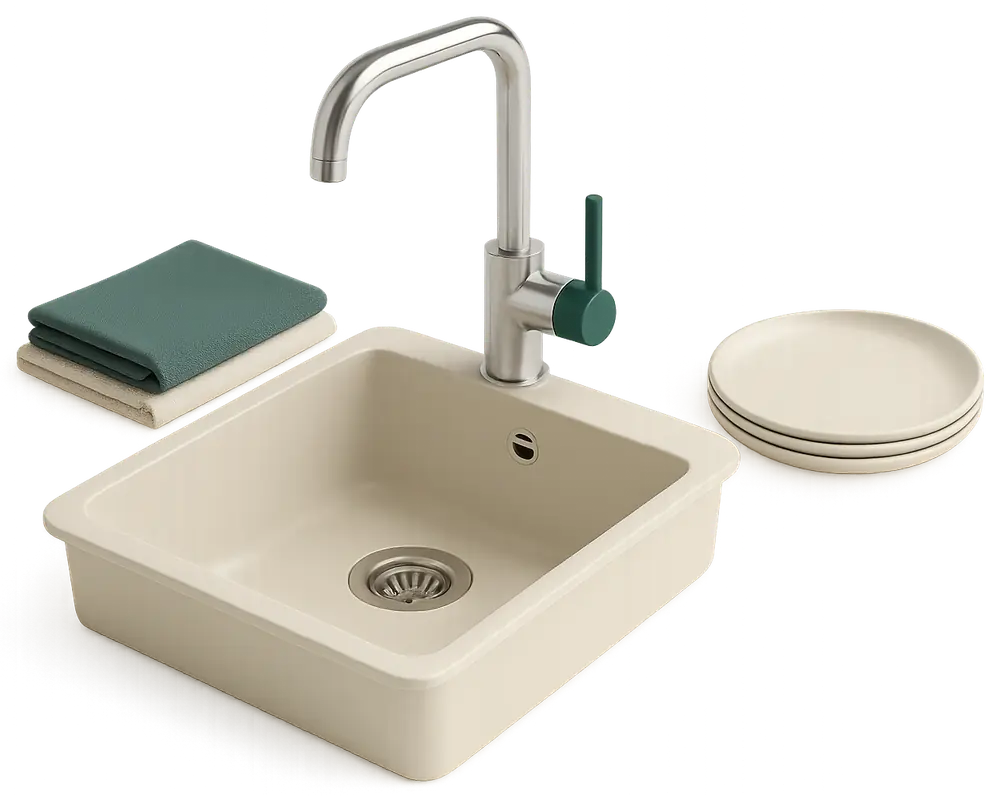
Cream cleaner or vinegar, rinse, then dry with a cloth: stainless steel dried by hand shines; air-dried, it leaves limescale marks.
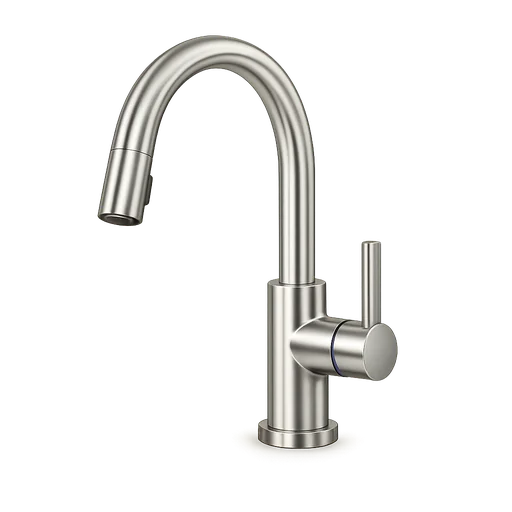
Taps
Descale with vinegar if needed, polish with a microfibre. A shiny tap “sells” the cleanliness of the whole room.
Worktop and splashback
Degreaser, lifting everything (kettle, coffee maker, utensil pot), rings hidden underneath are a classic cause of bad reviews.
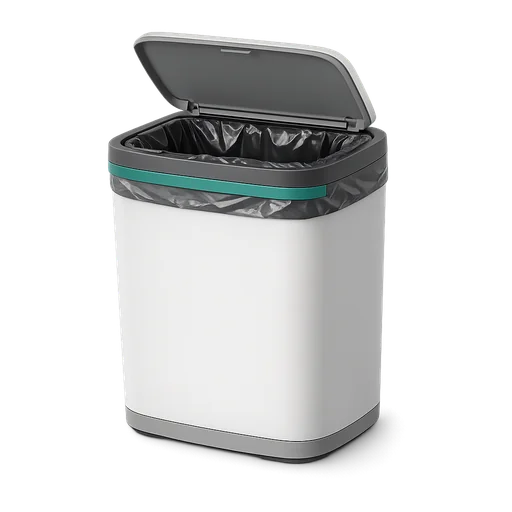
The bin
Empty, wash the bin if it’s dirty, new liner and two spare bags in the bottom.
The floor, last
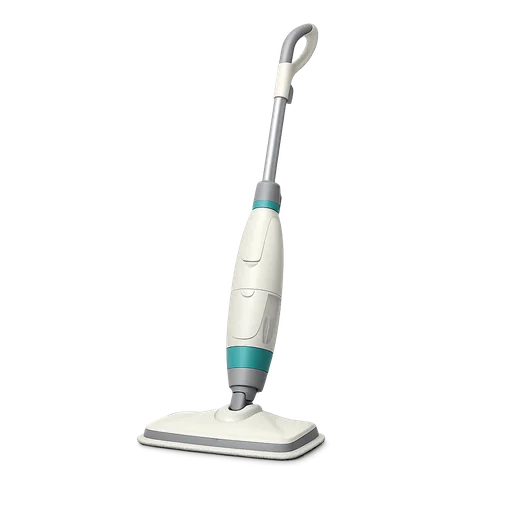
Vacuum, paying attention under units and along skirting, then mop as you back out of the room.
Want to use eco-friendly products (vinegar, bicarb, black soap, eco-labels)? The kitchen is the perfect place to start: according to ADEME’s sustainable cleaning advice, they cover most everyday needs, often for less money.
The 7 classic pitfalls that cost you stars
Even a careful team falls into these recurring traps. Add them in black and white to your checklist:
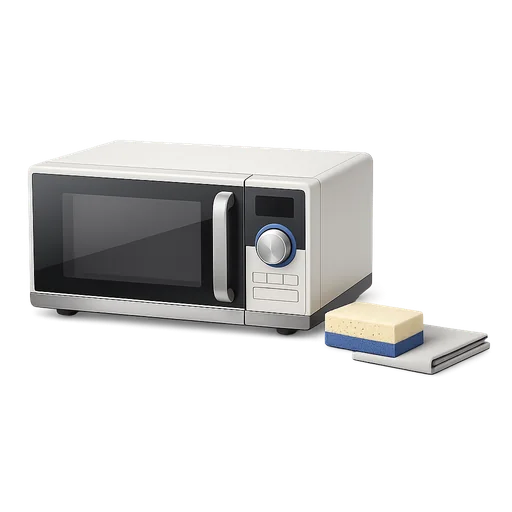
Inside the microwave
Checked by guests, missed by rushed teams.
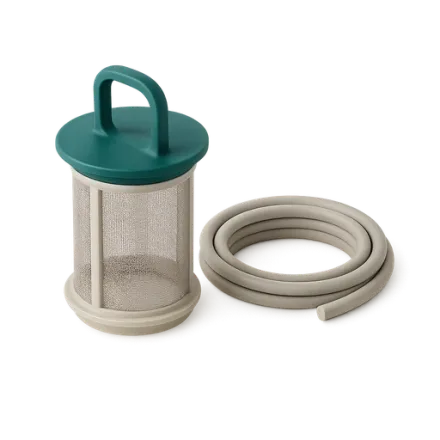
Dishwasher seal and filter
Source of smells that taint “clean” dishes.
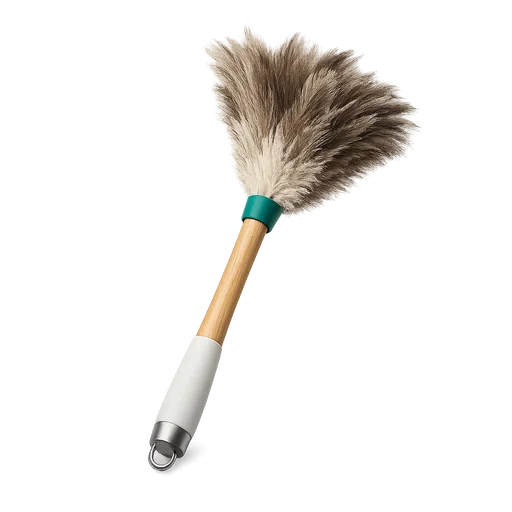
Top of fridge and wall units
Greasy and dusty, visible to anyone over 6ft.
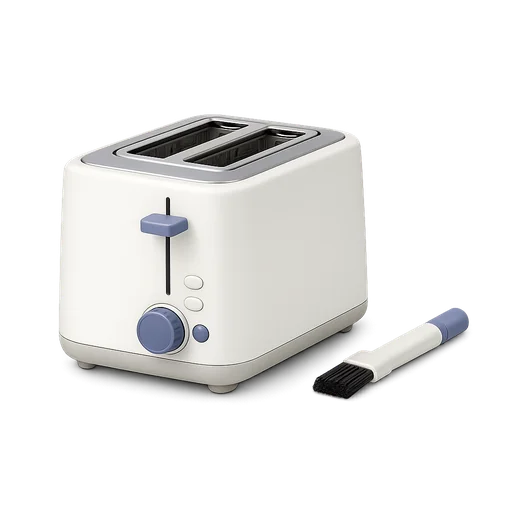
Toaster and crumb tray
30 seconds, never done.
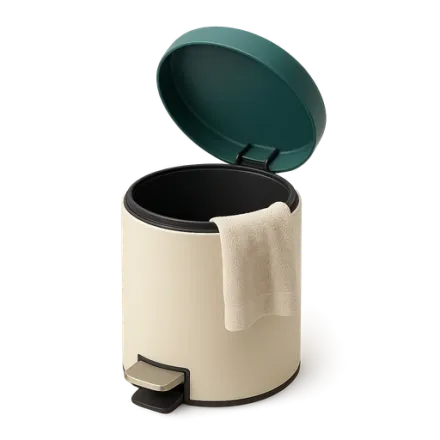
Inside the bin
A new liner isn’t enough if the bin is dirty.
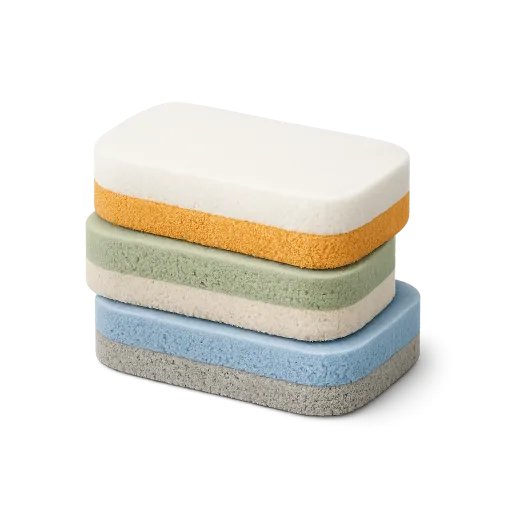
Tea towels and sponges not replaced
Hygiene and image.
Food residue in cupboards
Spilled salt, open packets, half-used tins.
The most reliable way to avoid missing anything: a formal checklist with photo validation of key points (oven open, fridge open, sink), remote quality control and timestamped proof if there’s a dispute. For the overall property template, see Complete Airbnb Cleaning Checklist: Never Miss a Spot.
How much time should you allow for the kitchen?
A useful guide for your planning: a full clean of a one-bedroom flat (about 50m²) takes on average 60 minutes, and the kitchen usually takes 15 to 25 minutes, about a third of the time.
Typical timings for routine cleaning:
| Setup | Estimated kitchen time |
|---|---|
| Studio kitchenette | 10, 15 min |
| Open-plan kitchen in 1, 2 bed flat | 15, 25 min |
| Large family house kitchen | 25, 40 min |
Add 10 to 20 minutes after a long stay, a stay with children, or heavy use. Adjust the time for each clean based on the last stay, and schedule deep cleans (oven, hood filters, defrosting) monthly rather than trying to squeeze them in between check-ins.
In summary
A spotless kitchen between stays rests on three pillars: an optimised cleaning order (machines first, floor last), systematic checks of what guests inspect (microwave, fridge, crockery), and a formal checklist that prevents anything being missed, whoever is cleaning.
With cleanclac.com, turn this method into a digital room-by-room checklist: your team ticks off every kitchen point with photos, and you check quality remotely before each arrival. Thanks to iCal sync with Airbnb and Booking, cleans are scheduled automatically with every booking.
Your questions
Should you clean the oven after every guest?
A visual check is essential at every turnover: open the oven, check racks, sides, and glass. A full clean is only needed if it’s been used. Plan a deep clean or pyrolysis about once a month in high season, outside of tight turnovers.
What should you do with food left by guests?
Bin all perishable and opened items, no exceptions: you don’t know when they were opened or how they were stored. Only your own welcome items (coffee, tea, new condiments) should remain. This rule protects the property’s hygiene and avoids confusion for your team.
How do you get rid of bad smells in a holiday let kitchen?
Deal with the cause, don’t just mask it: wash the bin (not just change the liner), flush the drain with boiling water and bicarb, wipe the fridge with vinegar, degrease hood filters, replace tea towels. Air out the room during cleaning; a bowl of bicarb in the fridge absorbs lingering smells.
Should you wash “clean” dishes already in the cupboards?
Not always, but check them every turnover: guests often hand-wash quickly before check-out. Hold glasses up to the light, check pans and cutlery, and put anything doubtful through the dishwasher. Do a full cupboard check at least once a month.
How often should you clean extractor hood filters?
Degrease the outer surface every turnover, and put the metal filters through the dishwasher once or twice a month, depending on use. A grease-clogged filter gives off a lingering fried smell and loses effectiveness, schedule this as a monthly routine, not ad hoc.

Written by Janik
Published on August 7, 2026 · Updated on August 12, 2026
Read next
Complete Airbnb Cleaning Checklist: Never Miss a SpotRoom-by-room Airbnb cleaning checklist: optimal order, commonly missed spots, final checks. The method for a spotless property at every turnover.Cleaning tips Clean an Airbnb in 1 Hour Flat: The MethodMinute-by-minute method to clean an Airbnb in 1 hour: room order, equipment, timing per area and pro tips to keep to the clock.Cleaning tips
 15 essential cleaning products for short-term rentalsComplete cleaning kit for your Airbnb: the 15 must-have products, their specific uses, annual budget, and where to store them in your property.
Move from theory to practice.
One property free to put all of this in place, for as long as it takes.