

Airbnb Decoration: Trends and Wow Effect on a Budget
Discover which rooms to prioritize, lasting decor trends, easy-to-clean materials, and how to restage your short-term rental after each cleaning.
11 min read
A guest does not rent square metres: they rent a promise. That promise is made in 3 seconds on your cover photo, then remade at arrival, when they step through the door and decide, before even putting down their suitcase, whether your property deserves 5 stars or a lukewarm comment.
Good news: the wow effect is not about having an unlimited budget, but about priorities, well-chosen materials, and ongoing discipline. Here is the method to decorate your short-term rental like a pro, without hurting your profitability.
Why decoration is an investment, not an expense
Let’s start with the numbers, because they change how you approach the subject.
According to a Vrbo survey of 1,758 travellers, 86% of guests are willing to pay more for a listing perceived as higher quality (92% among Generation Z), and 77% cite quality bedding and linen as a strong signal, just behind impeccable cleanliness (Vrbo / Businesswire).
The effect is also seen in your pricing: a Cornell study showed that one extra review point (out of 5) allows you to increase your price by about 11% at constant occupancy (Cornell / eCornell). Decoration directly impacts your overall rating: it’s what turns a “fine” stay into a “memorable” one.
Concretely, with an average price of about £100 per night in the UK, gaining £10 per night thanks to thoughtful decor means about £2,000 extra per year for a property booked 200 nights. A decor budget of £1,500 to £3,000, well spent, pays for itself in a season or two.
Priority rooms: where to focus 80% of your budget
Three areas have the greatest impact on your photos, reviews, and first impressions.
1. The bedroom: the bed is your product
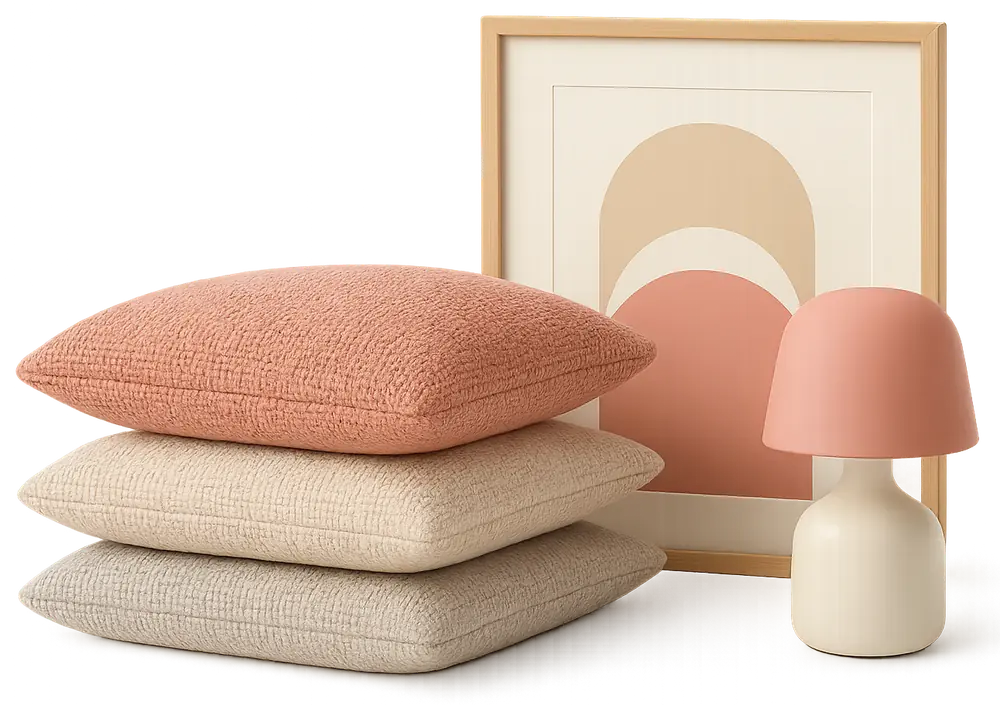
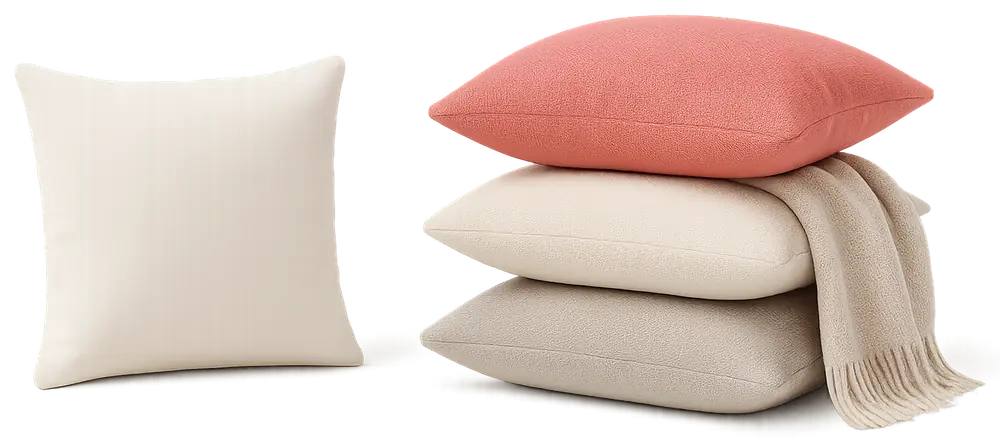
This is the room the guest is truly “buying”. Invest in a proper bed base, hotel-quality mattress, and a striking headboard: the headboard structures the photo. For linen, go for white, which photographs better and is easier for laundry: professional-grade sheets last about 180 washes, compared to 80 for standard sheets, meaning a cost per use a third lower (Ecolinge). Add a textured throw and 2-3 decorative cushions: £50-70 that transform your main photo.
2. The living room: your cover photo is made here
The living room is almost always the first photo in your listing. Priorities: a sofa with removable, machine-washable covers and clean lines, a large rug, a statement light fitting, and a feature wall (paint or wallpaper on one wall, £40 to £120). Avoid mismatched hand-me-down furniture: better to have fewer, but coordinated, pieces.
3. The bathroom: small space, big impact
No need to redo the tiles. An oversized mirror, black or brass taps, fluffy towels folded hotel-style, and a matching soap dish are enough to evoke a spa feel, for £120-250.
The kitchen and entrance come next: stick-on splashbacks, new handles, and attractive crockery on display are usually enough. If you often host children, adapt these choices from the start (rounded corners, washable fabrics, nothing fragile within reach), as explained in our guide to welcoming families with children.
Decor trends that last (and those that date quickly)
A rental should be decorated for five years, not just one season. The right approach: follow trends in things that are easy to change (cushions, prints, throws), and keep it neutral for expensive-to-replace items (sofa, tiles, kitchen).
| Trend | Why it works in rentals | How to adopt it well |
|---|---|---|
| Natural materials (washed linen, light wood, rattan, artisan ceramics) | Warm in photos, age well | Washable linen and cotton, rattan for lighting not seating |
| Earthy colours (terracotta, sage green, ochre, deep blue) | Stand out from “all beige” listings | On a feature wall and textiles, not the whole property |
| Local touches (artisan pieces, regional prints, vintage finds) | Makes the listing memorable and tells a story | A few standout pieces, fixed to the wall or hard to take away |
| Ambient lighting (lamps, wall lights, 2700K bulbs) | Lighting makes half the photo | Three light sources per living space, never just a ceiling light |
| Minimalist style (“less but better”, Japandi) | Fewer objects, faster cleaning | Closed storage, clear surfaces |
On the other hand, beware of very dated or fragile effects: pale velvet sofas, bold wallpaper in every room, or lots of “Instagram” trinkets that won’t survive three stays. A trend that makes cleaning harder or breaks with the first guest is not a good deal.
Think “listing photo” before “pretty”
A simple rule guides all your choices: if it doesn’t show in the photo, it’s not a priority. Your decor must first serve your listing, as that’s what drives bookings.
A few principles from professional photo shoots:
- One focal point per room: large wall art, colourful headboard, sculptural pendant. The eye needs somewhere to land.
- Contrast: light walls + one dark or colourful element. “All beige” photos disappear in search results.
- Warm lighting: at least 3 light sources per room. Lighting is 50% of the photo.
- A clear theme: seaside, industrial loft, country chic… A consistent thread makes your listing memorable and simplifies future purchases.
Airbnb’s help centre details its recommendations for listing photos (horizontal framing, natural light, tidy rooms), worth checking before any shoot (Airbnb Help Centre).
Materials and textiles: beautiful, durable AND easy to clean
The point most decor guides forget: in short-term rentals, every decor choice is also a cleaning choice. A beautiful but fragile or hard-to-clean item becomes a recurring cost. The winning trade-offs:
| Favour | Avoid |
|---|---|
| Removable, machine-washable sofa covers | Pale velvet, white leather |
| Short-pile, patterned, washable rugs | Long-pile shaggy rugs |
| Washable paint (satin finish) | Fragile matt paint |
| White linen washable at 60°C | Coloured linen that bleeds |
| Laminate or quartz worktops | Porous marble, untreated raw wood |
| Wall-mounted decor (screwed frames) | Lots of loose ornaments |
60°C washing remains the hotel standard for bed linen: the temperature that kills dust mites and bacteria while preserving fibres (Direct Hôtellerie). Always check the care label of every textile (curtains, covers, throws) before buying, not after the first stain.
Also consider second-hand and sustainable materials: vintage furniture, eco-labelled paints, certified textiles. ADEME publishes useful guides on eco-labels and sustainable furnishings, a selling point increasingly valued by guests. And robust decor is your best protection against breakages: the right steps to record and claim for damage are in our guide to guest damage.
Small budget, big impact: 7 upgrades under £400
If you can’t do everything, do these, in order:
A feature wall
In the living room or bedroom (paint): £35-70.
Hotel-quality white bedding
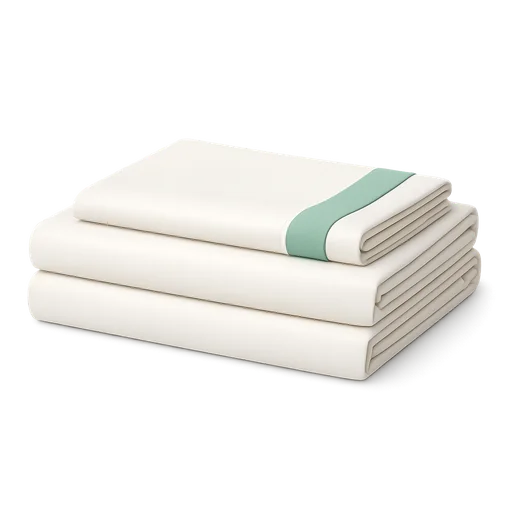
+ throw + cushions: £130-200 per bed.
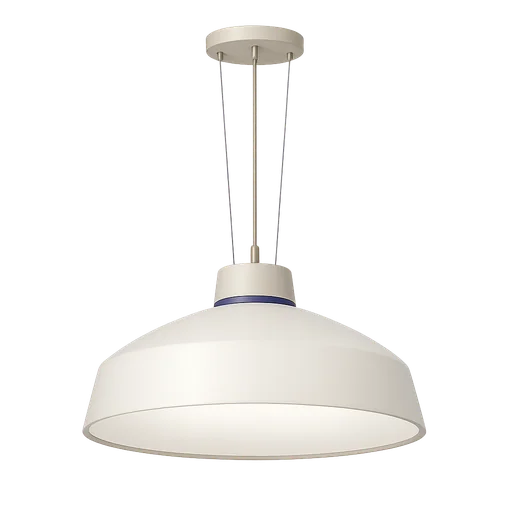
Three warm light sources
Per living space (2700K bulbs): £70-120.
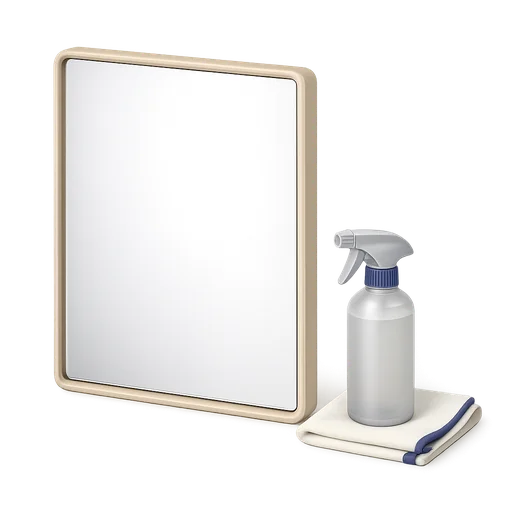
A large mirror
To open up the space and double the light: £40-100.
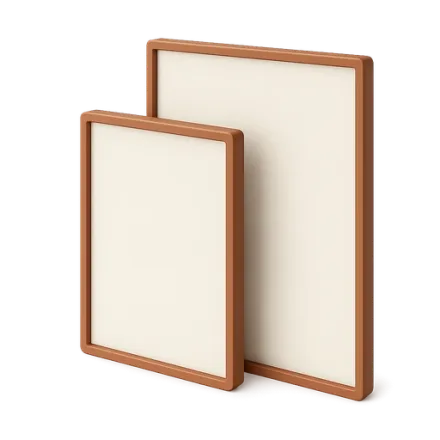
Two or three large framed prints
Linked to your region: £50-80.
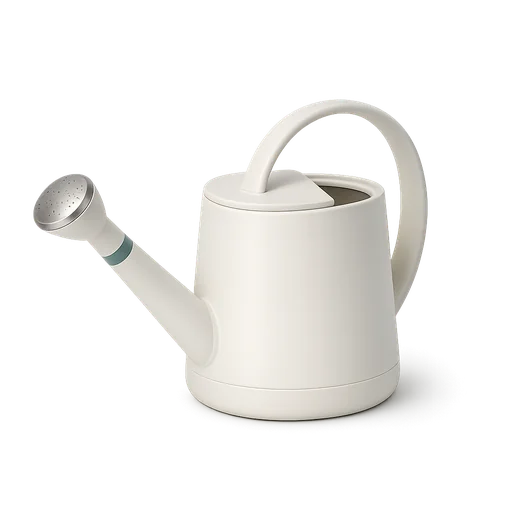
Plants
Real if watered at every clean, high-end artificial otherwise: £35-70.
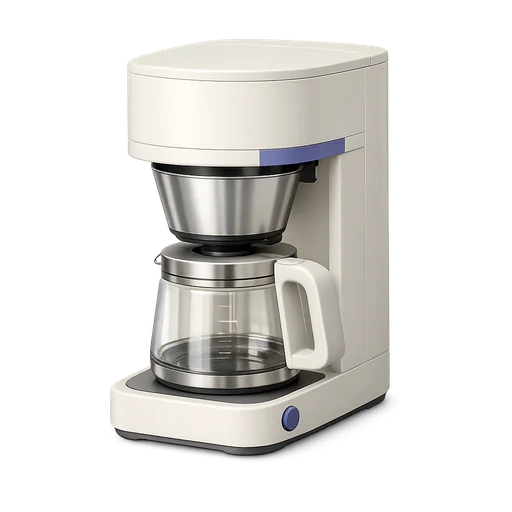
A proper coffee machine, staged
(tray, matching cups): £50-100.
These elements tick all three boxes: visible in photos, noticed on arrival, mentioned in reviews. They pair perfectly with small welcome touches that cost just a few pounds per stay.
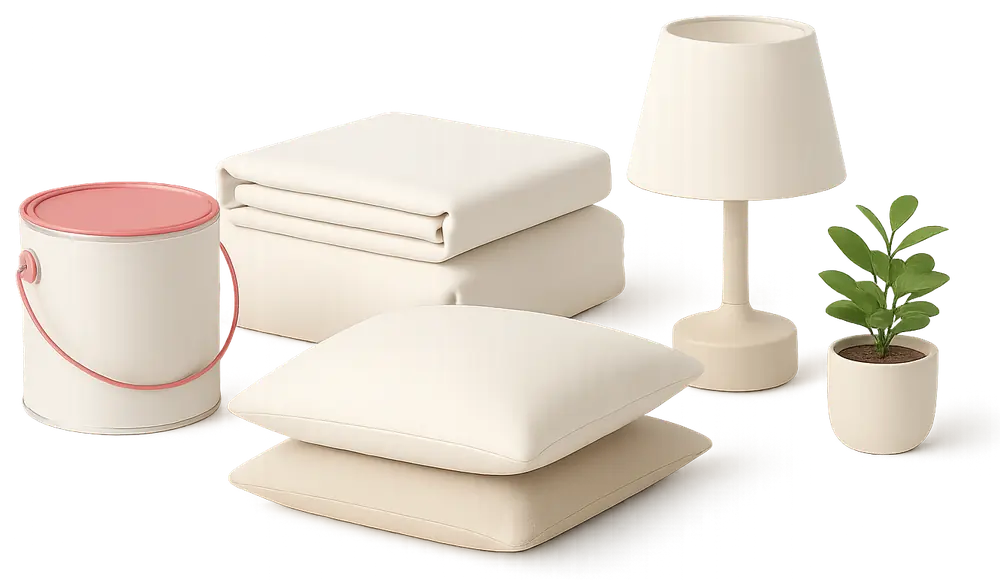
The 5 costly decor mistakes
- Overcrowding: every trinket is a dust trap and a breakable item. Aim for 5 to 8 decorative objects per room, not 30: your cleaning times will thank you.
- Decorating for yourself: personal collections and family photos have no place here. The guest wants to imagine themselves there, not visit your home.
- Ignoring consistency: a Scandinavian lounge, a baroque bedroom, and a 90s bathroom feel thrown together.
- Choosing fragile items: thin glass, unstable ceramics, white flooring that shows every mark. If it can break, it will.
- Forgetting to refresh: plan a light update every 2-3 years (cushions, prints, throw); £170 is enough to refresh a listing.
Finally, tell the story of your decor in your welcome book (vintage finds, local artisans): a great storytelling tool, see Local Recommendations: The Guide That Delights Your Guests.
Maintaining the wow effect, stay after stay
The real challenge is not creating the wow effect: it’s reproducing it identically after every clean. A throw tossed carelessly, squashed cushions, a lamp out of place, and the property no longer matches the listing photos, the number one source of guest disappointment on arrival. The solution comes from hotels: standardised staging.
- Photograph each room “in perfect configuration”Cushion placement, throw fold, objects on the coffee table. These photos become your reference.
- Write the staging instructions where the cleaner will see themUnder the relevant task, not in a separate document. “Throw folded in three on the left armrest”, “vase in the centre of the table, window side”.
- Request an end-of-clean photo of key roomsShowing what you expect. You approve remotely before each arrival.
- Have any damaged items reportedA chipped vase or stained cushion is replaced before arrival, not discovered by the guest.
The final staging touches (curtains open, cushions plumped, remotes together, welcome lighting) are detailed in the 10 last-minute staging steps.
In a CleanClac cleaning checklist, these rules have their exact place. Each task can carry your personalised instruction, read by the cleaner just under its title: under “Plump cushions”, you specify the desired arrangement.
 Air the room
 Vacuum the floors
 Clean the fridge
 Clean the shower screen
 Clean the mirrors
Your notes, under each task
Rewrite the library tip with what you know about the property: your cleaner reads it right under the title.
More detailsIn the Proofs tab of the checklist, you then choose which rooms to photograph and how many photos. Each requested photo can have its own description (“sofa, cushions aligned”) and an optional reference photo: your “perfect configuration” photo, which the cleaner sees before taking theirs. The photos appear in the cleaning summary, timestamped by the server, and the cleaner can report a damaged item straight away.
Air the roomVacuum the floors Mop the floors
 Empty the bins
 KitchenX2
 BathroomX2
 BedroomX2
 Living room
 Keys
 Windows
Proof, room by room
In the Proof tab, pick the rooms and checkpoints to photograph after the cleaning, and how many photos each.
More detailsThis discipline turns your decor into a controlled asset rather than a backdrop that quietly deteriorates. A property that matches the photos at every arrival is a promise kept, and the reviews follow.
Conclusion
The wow effect is a simple equation: clear priorities (bedroom, living room, bathroom), materials that survive frequent use, and staging reproduced identically after every clean. This last point separates properties that disappoint from those that collect 5-star reviews.
Your questions
What budget should I plan for decorating a short-term rental?
Allow £1,500 to £3,000 to transform a furnished one-bedroom flat (bedding, lighting, feature wall, textiles, wall decor), and £7,000 to £13,000 for full quality furnishing. Prioritise bedroom, living room, and bathroom: these three areas have the most impact on photos and reviews, and the budget pays for itself in one to two seasons.
What colours should I choose for an Airbnb rental?
A neutral, bright base (off-white, beige, light grey), warmed up with one feature wall per living space (terracotta, sage green, deep blue) and colourful, easily replaced textiles. This formula photographs well, appeals to most guests, and lets you refresh the look cheaply by changing cushions and prints.
Does decoration really influence guest reviews?
Yes. 86% of guests say they are willing to pay more for a higher-quality listing, and quality bedding is cited by 77% as a strong signal. Thoughtful decor also generates spontaneous mentions in reviews (“beautiful property, just like the photos”), which reassures future guests and boosts your conversion rate.
Should I hire a professional decorator?
For 1 or 2 properties, a home stager on a “consultation” basis (£250-700 for a layout plan and shopping list) often offers the best value. Full support is justified for high-end properties, where each review point can mean about 11% more on your price according to the Cornell study.
How can I protect my decor from damage?
Choose washable, robust materials (removable sofa covers, washable paint, wall-mounted frames), limit loose fragile items, and have the decor checked at every clean. An end-of-clean photo of the main rooms lets you date any damage and build a solid case if you need to claim.
How often should I refresh my rental’s decor?
A light refresh every 2 to 3 years (textiles, prints, small objects, paint touch-ups) is enough to keep your photos attractive; use the opportunity to update your listing photos. Main furniture (sofa, beds, tables) is usually replaced every 5 to 8 years, depending on occupancy.
Which decor trends should I follow for a rental in 2026?
Focus on what stays beautiful for a long time and is easy to clean: washable natural materials (linen, cotton, light wood), earthy colours on a feature wall, ambient lighting, and local artisan pieces. Save trend-led items for things that are easy to swap, like cushions and prints. A pared-back property photographs better and is quicker to clean.
How do I ensure staging is respected by a cleaner?
Don’t rely on their memory: show them. A reference photo for each room, a clear instruction under the relevant tasks (cushions, throw, coffee table items), and an end-of-clean photo to match are all you need. After two or three visits, staging becomes automatic, and you can check it at a glance on the photos.

Written by Janik Thoisy
Janik Thoisy manages short-term rentals day to day and shares her cleaning and organisation methods here.
Published on August 7, 2026 · Updated on November 16, 2026
Read next
 Airbnb Guest Touches: 25 Ideas That Transform a Stay25 guest touches for your Airbnb guests, sorted by budget (£0, under £5, under £20), and the method to offer them at every stay.Guest experience
 Self Check-in: Key Safe or Smart Lock?Self check-in for short-term rentals: key safe or smart lock, costs, security, mistakes to avoid, and coordination with cleaning teams.Guest experience
 Welcoming Families in Rentals: Equipment and Safety TipsWelcoming families with children in short-term rentals: baby equipment, safety, toys, enhanced cleaning, and family-friendly listings for 5-star reviews.
One property free to put all of this in place, for as long as it takes.