Dusting and Disinfecting: Method and Contact Points
The difference between cleaning and disinfecting, which contact points to treat at every guest changeover, product dwell times, and the order that saves you from redoing everything.
Cleaning and disinfecting are not the same thing, and confusing the two is the most common mistake in short-term rental cleaning. Spraying disinfectant onto a dusty surface does not disinfect anything: it just sticks the dust down. Wiping a handle with a dry cloth does not remove any germs. The order matters, the dwell time matters, and above all, the list of surfaces to treat is not what you might expect. This guide gives you the method and the points that guests actually notice.
The two actions, and what they involve
| Task | Frequency | What it covers |
|---|---|---|
| Dusting | Every clean | Horizontal surfaces, furniture, decor |
| Disinfecting surfaces | Every clean | Contact points, bathrooms, kitchen |
| Vacuuming corners | Every clean | Corners, skirting boards, under furniture |
| Dusting the TV | Every clean | Screen and remote control |
| Dusting light fittings | Monthly | Lampshades, pendants, bulbs |
The order never changes: dust first, then disinfect, then do the floors. Each step will undo the previous one if you mix them up.
Dusting: dry or damp, never in between
Dust is not removed, it is captured. A traditional feather duster just puts it back into the air, and it settles again twenty minutes later on what you just cleaned.
A slightly damp microfibre cloth is the best tool for almost all surfaces: it traps dust instead of moving it around. Damp, not wet: fold it in four for eight clean sides, and change side as soon as one is dirty.
Three exceptions to treat dry:
- Screens, including TVs, with a dry or barely damp microfibre and plain water. Never use products, alcohol or ammonia, as these damage the anti-glare coating.
- Untreated or oiled wood, which absorbs water.
- Fabric lampshades, to be vacuumed with a brush attachment.
The order in the room follows the same logic as the whole property: top to bottom. Light fittings, high shelves, tops of furniture, worktops, and only then the floors.
Contact points: the real list
This is where the difference lies between a clean property and a healthy one. The surfaces we look at are not the ones we touch, and it is the latter that spread germs.
The list to treat with disinfectant at every guest changeover:
Door handles, both sides
Including the front door and cupboard handles.
Light switches and sockets
The most touched and least cleaned surfaces in the property.
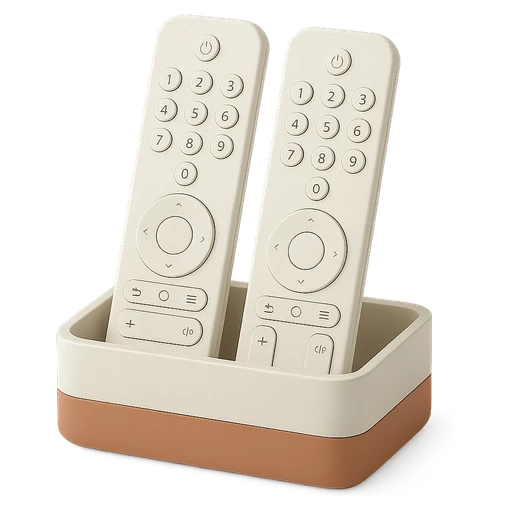
Remote controls
For the TV and air conditioning. They are handled constantly throughout a stay.
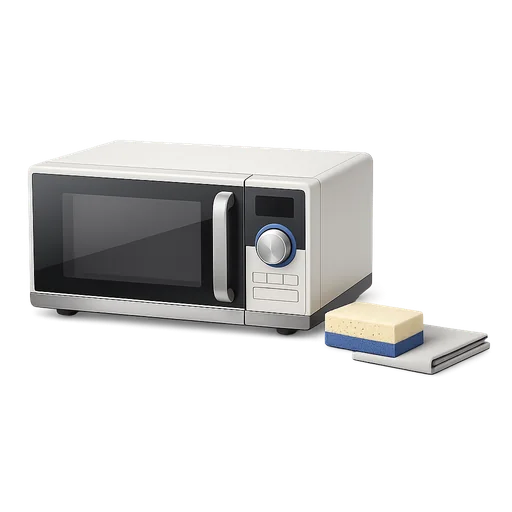
Appliance handles
Oven, fridge, dishwasher, microwave.
Taps and flush buttons
Including levers.
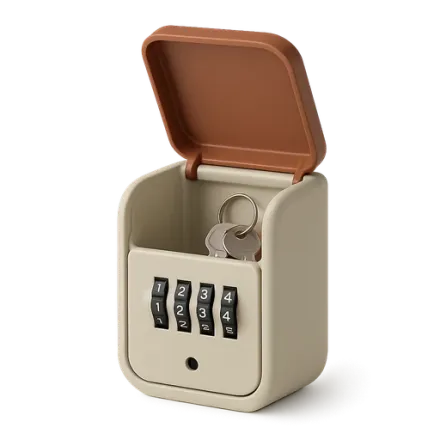
Stair rails, electric blind buttons, keys and key boxes.
Bedside tables and headboards
Often touched, rarely wiped.
A remote control should be cleaned with a disinfectant wipe or a microfibre dampened with disinfectant, never sprayed directly: liquid seeps between the buttons and ruins it.
Dwell time: the step everyone skips
A disinfectant does not work instantly. It works for the time stated on the label, usually between thirty seconds and five minutes depending on the product. Spraying and wiping immediately is just cleaning, not disinfecting.
The method that saves time instead of wasting it: spray all the surfaces in one area first, do something else, then come back to wipe. In a bathroom, spray the sink, taps, toilet and shower screen, go and do the bedroom, then come back to wipe. The dwell time runs while you work elsewhere.
Two safety rules that are non-negotiable:
- Never mix two products, especially bleach and descaler or vinegar: the reaction releases chlorine gas, which is toxic in enclosed spaces.
- Ventilate while using disinfectant products, which you should already be doing by opening windows at the start of cleaning.
General recommendations for using cleaning products and ventilation are detailed by ADEME and ANSES.
Cloth colour coding
Using a single cloth for the whole property spreads germs from the toilet to the kitchen worktop. Colour coding is the simplest solution, used in all professional cleaning:
- Red: toilets and surrounding area.
- Blue: sink, shower, bathroom surfaces.
- Green: kitchen and worktops.
- Yellow: furniture, general surfaces.
The exact convention does not matter as long as it is consistent from one property to another and between cleaners. Make sure you have enough microfibres, and wash them with tea towels, never with bath linen.
Delicate surfaces
Three materials are damaged by common products, and guests will only notice once the mark is permanent:
- Brushed stainless steel: always wipe in the direction of the grain, with a dedicated product or a damp microfibre, then buff dry. Circular motions leave visible swirls in side lighting.
- Marble, travertine and limestone: never use acidic products, vinegar or descaler. Acid etches the stone permanently.
- Oiled wood: use very little water, never alkaline detergent, and oil once a month.
Your questions
What is the difference between cleaning and disinfecting?
Cleaning removes visible dirt, disinfecting eliminates micro-organisms. The two steps follow each other and are not interchangeable: a disinfectant applied to a dusty surface does not reach the surface. Clean first, disinfect next, do the floors last.
Which contact points should be disinfected at every guest changeover?
Door and cupboard handles, light switches, sockets, remote controls, appliance handles, taps, flush buttons, stair rails, blind buttons, keys and key boxes. These are the most touched and least often wiped surfaces, so they are the ones that really matter.
How long should you leave a disinfectant to work?
The time stated on the label, usually thirty seconds to five minutes. Spray a whole area, go and work elsewhere, then come back to wipe: the dwell time runs while you get on, and you do not lose a minute.
How do you clean a TV screen without scratching it?
A dry or barely damp microfibre with plain water, never any product. Alcohol and ammonia irreversibly damage the anti-glare coating. For the remote, dampen the cloth with disinfectant rather than spraying it, or you risk flooding the electronics.
Should you use different coloured cloths?
Yes, it is the simplest way to avoid spreading germs from the toilet to the kitchen. One colour per area, the same convention for all your properties and all your cleaners. Wash these microfibres with tea towels, never with bath linen.
Can you mix bleach and vinegar?
No, never. The mixture releases chlorine gas, which is dangerous in enclosed spaces like a bathroom. The same warning applies to bleach and acidic descalers. Use one product at a time, rinse between them, and ventilate throughout the clean.
Read next
 Complete Airbnb Cleaning Checklist: Never Miss a SpotRoom-by-room Airbnb cleaning checklist: optimal order, commonly missed spots, final checks. The method for a spotless property at every turnover.Cleaning tips
 Clean an Airbnb in 1 Hour Flat: The MethodMinute-by-minute method to clean an Airbnb in 1 hour: room order, equipment, timing per area and pro tips to keep to the clock.Cleaning tips
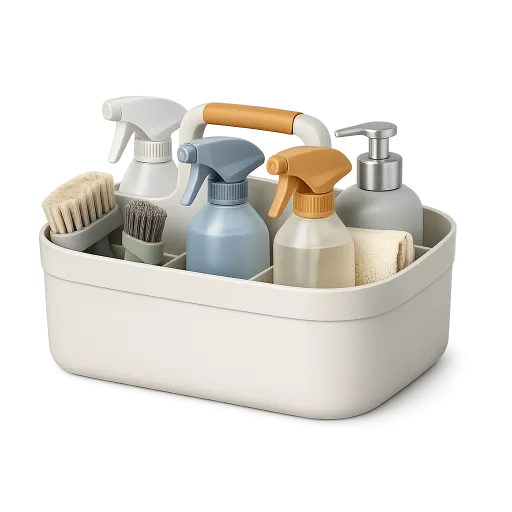 15 essential cleaning products for short-term rentalsComplete cleaning kit for your Airbnb: the 15 must-have products, their specific uses, annual budget, and where to store them in your property.
Move from theory to practice.
One property free to put all of this in place, for as long as it takes.