
Airbnb bans making guests take out rubbish or wash up
From 20 November 2026, Airbnb hosts can no longer require guests to take out the rubbish or do the dishes. What is still allowed, and how to adapt.
9 min read
On 20 October 2026, Airbnb wrote to its hosts to announce the end of a practice that had annoyed guests for years: the list of chores to do before handing back the keys. For any booking made from 20 November 2026, a host can no longer require the guest to take the rubbish out to the bins, do and put away the dishes, strip the beds, or start a wash. Nor can they penalise the guest for not doing so. The rule applies worldwide, in the UK and elsewhere.
The announcement was widely reported, notably by L'Écho touristique. For a host who relied on these gestures to keep tight turnovers, the change is real: this work does not disappear, it shifts to the cleaning team. Here is exactly what the new policy says, what you can still ask for, and how to reorganise your cleaning so nothing is left waiting between stays.
What Airbnb forbids from 20 November 2026
The principle is simple: a host can no longer require a guest to do any task that involves significant effort or time, or that a professional cleaner would normally do. Airbnb gives specific examples:
- Washing and putting away the dishes;
- Stripping the beds or starting a laundry load;
- Taking the rubbish out of the property, to the street bins or bin store;
- Restricting the use of listed amenities, for example, banning air conditioning during the stay.
There are also three bans directly related to money: no fines or penalties for not doing a checkout task, no hidden fees, and cleaning fees must, according to the Airbnb Help Centre, cover a standard clean between bookings. Actual damage can still be claimed, but through a different process (see below).
The timing matters. The rule applies to bookings made from 20 November 2026. A booking made before this date keeps the rules shown on the listing at the time the guest booked. For a few weeks, you will have some stays under the old regime and others under the new.
What you can still ask for
Airbnb is not removing all checkout instructions: it now separates rules, which the guest must follow, and requests, which the guest is only encouraged to follow. Still allowed, as “reasonable” requests:
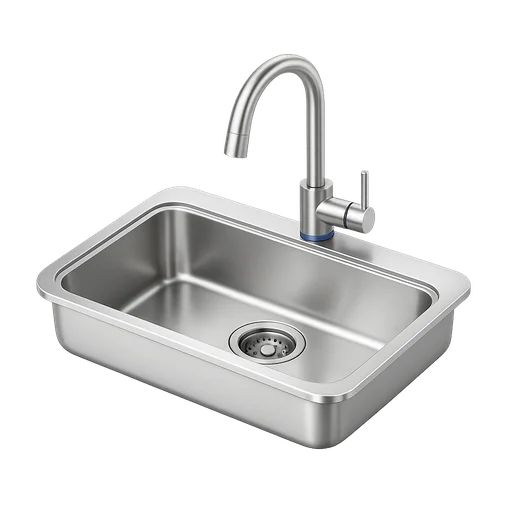
Put dirty dishes in the sink
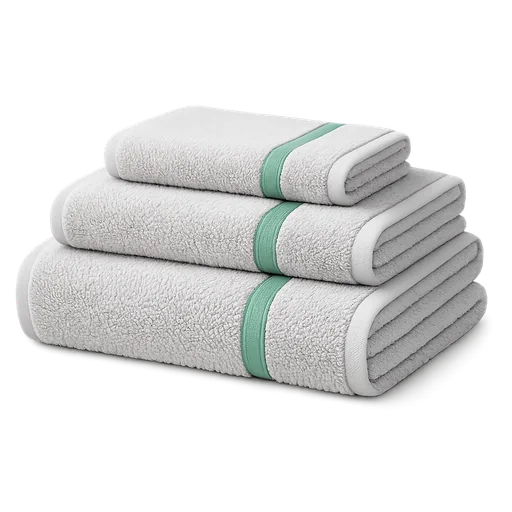
Gather used towels
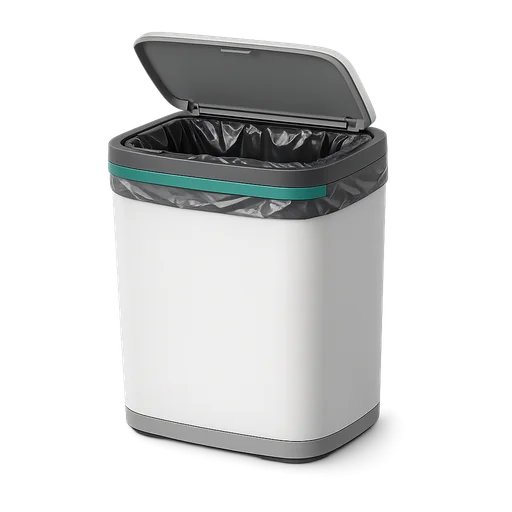
Sort rubbish and recycling into the indoor bins
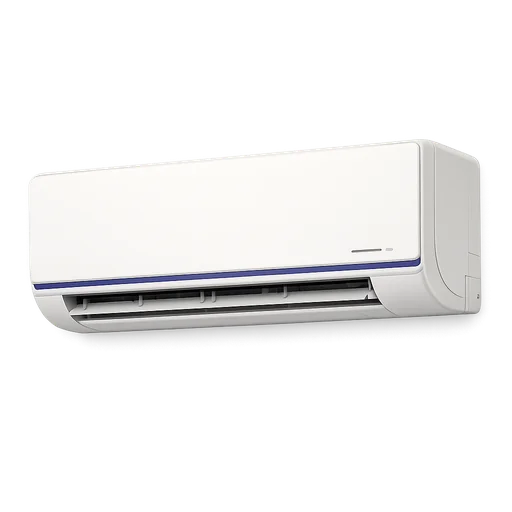
Switch off the air conditioning
When leaving.
Rules are now limited to seven standard categories: maximum number of guests, quiet hours, events, pets, smoking and vaping, commercial photography and filming, and locking up when leaving. The maximum number of guests and locking up are the two new additions.
Airbnb allows for location-based exceptions where a local requirement justifies it: bins that must be closed against wildlife, or limited shower times in drought areas. Local fines have their own section on the listing.
| Checkout instruction | Before | From 20/11/2026 |
|---|---|---|
| Do and put away the dishes | Common | Forbidden |
| Put dirty dishes in the sink | Allowed | Request allowed |
| Strip beds, start a wash | Common | Forbidden |
| Gather used towels | Allowed | Request allowed |
| Take rubbish to the bins | Common | Forbidden |
| Sort rubbish in indoor bins | Allowed | Request allowed |
| Penalty for uncompleted task | Already banned | Forbidden |
No more last-minute instructions
This is the point many hosts have not yet noticed: only what is shown on the listing before booking counts. An instruction sent by message the day before arrival, a note on the fridge, a comment when handing over the keys: none of these are binding on the guest anymore.
Airbnb has set up ways to enforce this rule:
- The listing editor flagsAny text that seems to breach the policy.
- Flagged and unchanged text goes for review, and the host receives an email. They can contest it.
- The guest may see a warning on the listing, such as “contains cleaning requests”.
- In case of repeated breaches: a warning on the listing, reduced visibility in search results, or other measures as per Airbnb’s terms.
The right move, starting now: review your listings, your welcome book, your automated messages and your notices, and remove anything that sounds like a chore. Updated message templates can be found in our standard messages for guests.
What this changes for cleaning
Tasks that guests sometimes did now all fall to the cleaner, and they are not all equal:
- The dishes: a sink full after a family stay means running the dishwasher, sometimes twice, and waiting for it to finish.
- The beds: stripping before remaking adds a few minutes per bed, especially with duvet covers and mattress protectors.
- The rubbish: the most underestimated job. Every room’s bin must be emptied, bags taken to the bins, sometimes at the far end of a building, and collection days must be respected.
On a tight turnover, the time adds up quickly. Typical cleaning times by property type are in how long does an Airbnb clean take. What matters here is to measure your own difference over the first few weeks, rather than guessing.
There is also a hygiene risk. Rubbish or dirty dishes left in a closed property for several days, say between a Sunday checkout and a Thursday arrival, will cause smells, fruit flies, sometimes pests. When guests no longer took out the rubbish, you already had to act quickly; now, it is the rule. Cleaning must be scheduled from the checkout, not the day before the next arrival.





 I don't have a calendar

Every booking creates its cleaning
Import your platforms in one click. Every stay becomes a cleaning in your schedule, and every new booking adds another, with nothing to type.
More detailsReorganise your cleaning in four steps
1. Schedule every clean at checkout, automatically. The safest way is to stop entering anything by hand: a synchronised calendar creates a clean at every guest departure. The method is detailed in organising cleaning between bookings.
2. Add these tasks to your checklist, with instructions. The checklist must state what guests will no longer do, task by task:
- “Empty the bin” in every room, then “Take out the rubbish” to the main bins;
- “Sort rubbish” if guests have not done so;
- “Do the dishes” and “Empty the dishwasher”;
- “Change the bedding” and “Do a wash” if laundry is done on site.
The instruction is as important as the task. Write where the bins are, the code for the bin store, collection days: a cleaner unfamiliar with the property will not guess that the yellow bin is collected on Tuesdays. The tasks themselves, in order, are in the checkout round: airing, rubbish, dishwasher.
 Air the room
 Vacuum the floors
 Clean the fridge
 Clean the shower screen
 Clean the mirrors
Your notes, under each task
Rewrite the library tip with what you know about the property: your cleaner reads it right under the title.
More details3. Review your cleaning fees. Since they must cover a standard clean between stays, they must also cover the extra time now required. Start with the actual duration of your cleans over a month, multiply by your cleaners’ rates, add laundry and consumables: that is your baseline. A cleaning fee set too low eats into your margin, a clearly stated fee is rarely questioned.
4. Stock up on the right consumables. No more dishes done by guests means more dishwasher tablets and washing-up liquid; more rubbish taken out by the team means more large bin bags. Running out of stock on a turnover day costs more than keeping a proper supply: see managing your consumables stock.
What you keep: actual damage
The new policy does not affect damage, as detailed by Selectra. A broken piece of furniture, a stain that needs specialist cleaning, a missing item can still be claimed, via the Airbnb Resolution Centre, within 14 days of guest departure. The claim must be supported by evidence: photos, videos, quotes or invoices. The guest has 24 hours to respond; if they refuse or only pay part, the host can request Airbnb’s damage guarantee, which excludes normal wear and tear and cleaning related to standard checkout tasks.
What matters is evidence. A sink full of dishes is no longer damage, but a burnt hob or stained sofa is. The state of the property must be recorded as soon as the cleaner arrives, before cleaning, with dated photos. Good habits are listed in protecting your property from guest damage.

Timestamped, sealed photos
The time that counts is the server's, not the phone's.
More detailsWhat CleanClac covers
This rule shifts work from the guest to the cleaning team. CleanClac is designed precisely to organise this work:
- A clean created at every checkout: synchronisation with your Airbnb, Booking or Vrbo calendar, or connection to your management software. Nothing left to plan by hand, and nothing left waiting for a week.
- A property-specific illustrated checklist, drawn from a library of over 250 tasks, including “Take out the rubbish”, “Sort rubbish”, “Do the dishes”, “Empty the dishwasher”, “Change the bedding” and “Do a wash”, each with your instructions (collection days, bin locations).
- Time-stamped evidence on the server, impossible to backdate, with a property condition rating on arrival, from 1 to 5 stars: enough to document a damage claim within the 14-day window.
- Reports of actual time spent and costs, so you can recalculate your cleaning fees based on real data, not guesswork.
- Stock tracking, so you never run out of bin bags or dishwasher tablets on a turnover day.
Your questions
Can an Airbnb host still ask guests to take out the rubbish?
No, for bookings made from 20 November 2026: taking the rubbish out of the property, to the bins, is one of the tasks Airbnb forbids hosts from requiring. However, the host can ask the guest to sort their rubbish and recycling into the indoor bins. Taking the bags out is now the cleaning team’s job.
When do the new Airbnb checkout rules apply?
To bookings made from 20 November 2026, worldwide. A booking made before this date keeps the rules shown on the listing at the time the guest booked. Airbnb notified hosts by email on 20 October 2026.
Can you still ask guests to put dishes in the sink?
Yes. Putting dirty dishes in the sink, gathering used towels, sorting rubbish into the indoor bins and switching off the air conditioning remain allowed requests. These are requests, not rules: the guest is encouraged to follow them, but the host cannot penalise them for not doing so.
Can a host charge a penalty if the guest does not clean?
No. Airbnb forbids fines and fees for not completing a checkout task. Cleaning fees cover the standard clean between bookings. Only actual damage or specialist cleaning can be claimed, via the Resolution Centre, within 14 days of departure, with supporting photos or invoices.
Do instructions sent by message or displayed in the property count?
No. Only rules and requests visible on the listing before booking apply. An instruction added by message, a notice or a comment on arrival is not binding on the guest. Review your listings, welcome book and automated messages to remove anything that sounds like a chore.
Should you increase your cleaning fees with these new rules?
Often, yes, but based on real data. Measure the actual duration of your cleans for a few weeks, compare it to before, and recalculate your fees based on your cleaners’ time, laundry and consumables. A fee clearly shown on the listing is accepted; a fee set too low eats into your margin.

Written by Janik Thoisy
Janik Thoisy manages short-term rentals day to day and shares her cleaning and organisation methods here.
Published on October 24, 2026 · Updated on October 24, 2026
Read next
 Organise your cleaning between bookings without stressCheck-out/check-in window, real durations, automatic scheduling, priorities, plan B: the method to organise your Airbnb cleaning between bookings.Managing turnovers
 Managing Your Rental Cleaning Remotely: The Complete GuideNon-resident host? Local team, self check-in, synced schedule, check-in and timestamped photos: the method for managing your cleaning remotely.Managing turnovers
 Same-day turnover: mastering same-day Airbnb cleaningCheck-out at 11am, check-in at 3pm: minute-by-minute timing, ready-to-use linen kit, team and backup plans to make every same-day Airbnb clean a success.
One property free to put all of this in place, for as long as it takes.