Holiday let cleaning: seaside, mountain, countryside
Sand, snow, mud, insects, winter closure: cleaning protocols tailored to holiday lets by the sea, in the mountains, and in the countryside.
A city flat is cleaned more or less the same way all year round. A holiday home is not. By the sea, sand gets everywhere and salt leaves a film on the windows. In the mountains, melted snow and mud invade the entrance, and the property might sit empty for months. In the countryside, insects and dust from shutters appear between stays. A “standard” protocol copied from a city flat misses exactly the details your guests notice, and mention in their reviews. Remember, cleanliness is the number one factor for 81% of travellers when choosing accommodation (Hospitable / AHLA). Here’s how to adapt your cleaning to the realities of each environment.
Why a holiday let isn’t cleaned like a city flat
Three key differences shape everything else.
The schedule is concentrated. Most bookings happen over 8 to 14 weeks: back-to-back turnovers on Saturdays, often same-day, then nothing for weeks. Your organisation needs to handle extreme peaks and long lulls.
The environment is tough on the property. Sand, salty spray, snow, mud, pollen, insects: each setting brings its own types of dirt, which a standard turnover clean won’t tackle.
There are more and larger surfaces, often outdoors. Terrace, garden, barbecue, pool, bike or ski storage: all areas you won’t find in a city flat. Allow plenty of time: cleaning a 100 to 125m² house already takes 100 to 120 minutes not counting outside areas, add 20 to 40 minutes for a terrace and garden furniture. For more precise estimates, see our guide How long does Airbnb cleaning take? The real numbers.
One last point, budget: in resorts, providers typically charge 15 to 30% extra, plus a linen fee of €8 to €15 per job. Labour is scarce in high season: book your slots as soon as your calendar goes live.

Seaside: winning the war on sand and salt
Sand is enemy number one: abrasive, it scratches floors, clogs drains, and gets into sofas. The winning strategy: stop sand getting in, then remove it methodically.
Prevention: outdoor shower with a clear sign, large brush doormat, shoe tray, and basket for beach gear. These £50 to £80 of kit save 15 minutes per turnover.
Turnover protocol: add these points to your checklist:
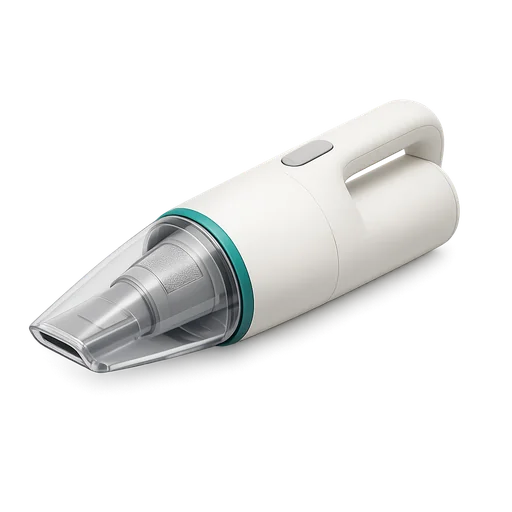
Vacuum before mopping, always:
Wet sand becomes an abrasive paste. Floors, skirting boards, under beds, sliding door tracks.
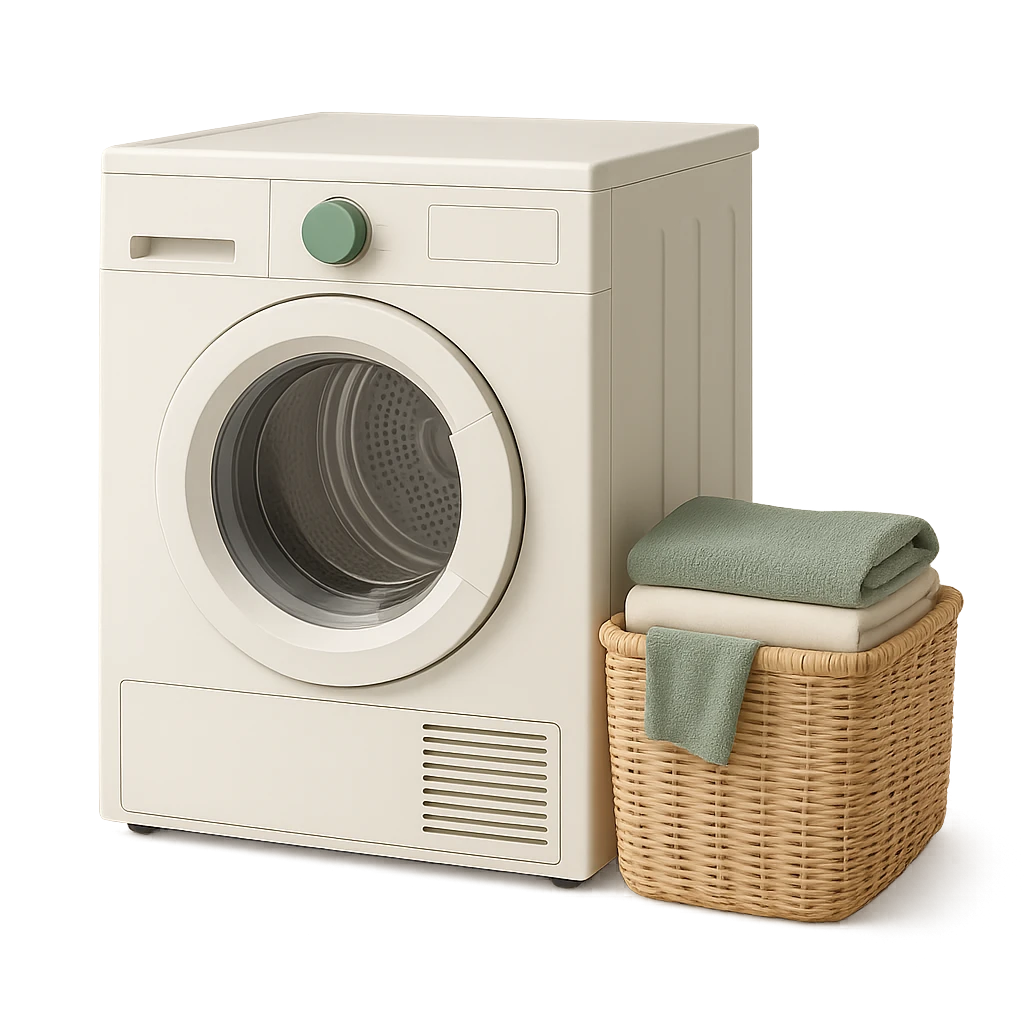
Shake out and vacuum textiles:
Sofas (under the cushions), rugs, bedspreads.
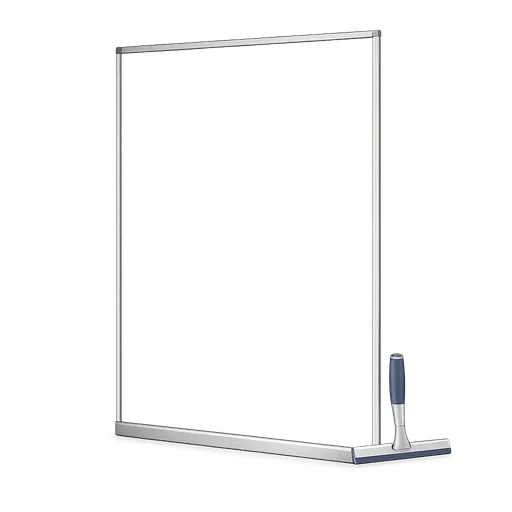
Rinse the outdoor shower and check drains:
A sand-clogged drain means a blocked shower by day three of the next stay.
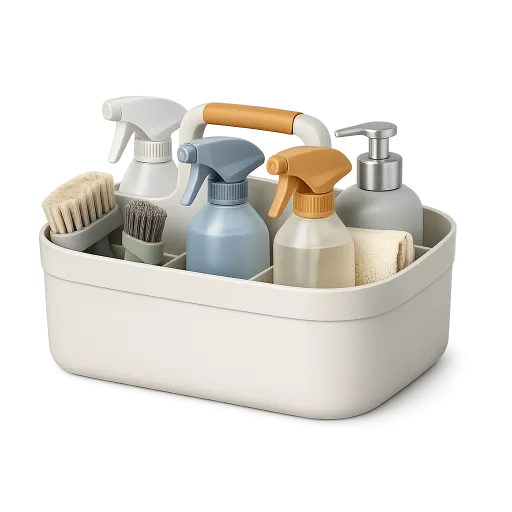
Clean windows with white vinegar:
Salty spray leaves a greasy film that standard glass cleaner just smears around. For sea-facing properties, clean windows at every turnover.
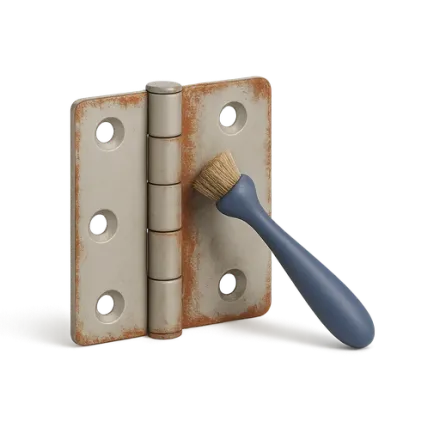
Watch for corrosion:
Hinges, outdoor lights, metal furniture. Report any rust as soon as it appears.
Sea air humidity means you should air the property thoroughly during cleaning and check for mould (bathroom seals, backs of wardrobes).
Mountain: snow, mud, fireplaces and double seasonality
Mountain lets have two high seasons (winter and summer) with very different cleaning challenges, plus off-seasons when the property sits empty.
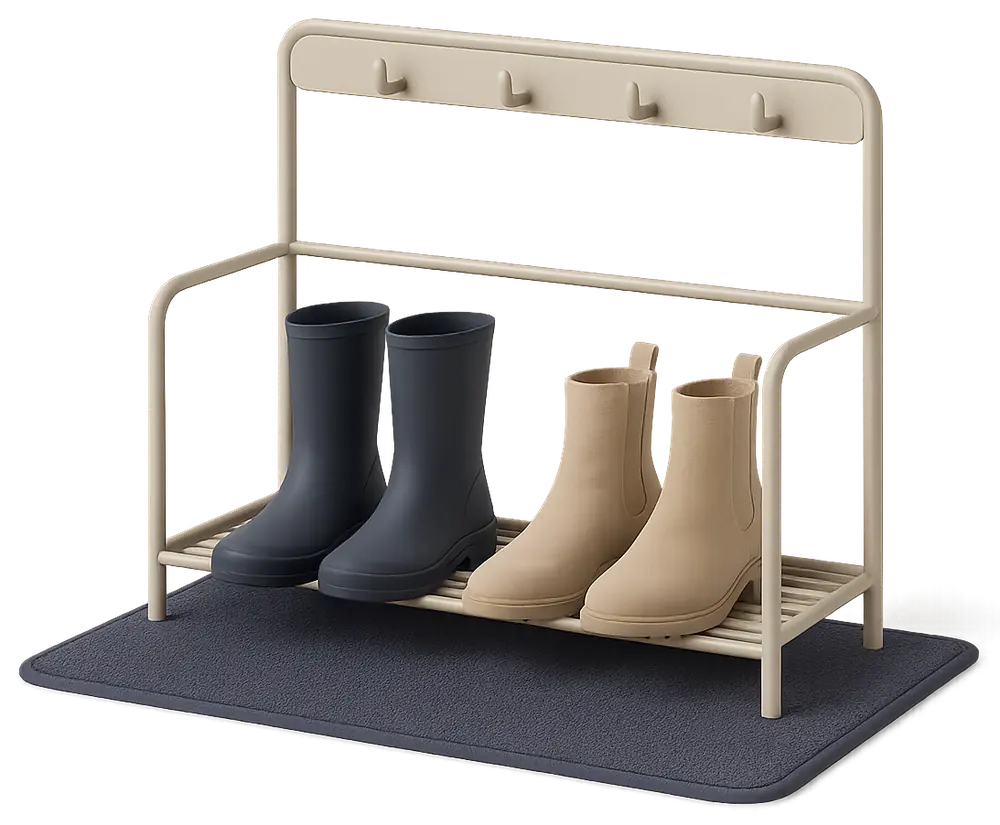
In winter, the big three: melted snow, grit from gritting, and mud. The entrance is the critical zone. Provide an oversized absorbent mat, shoe rack, and a drying area for ski gear. For cleaning: degrease entrance floors, dust towel rails, and treat white calcite marks left by melted snow, these come off with a mildly acidic cleaner, not soapy water.
Fireplaces or wood burners need their own mini-protocol: remove ash with an ash vacuum (never a standard vacuum: fire risk), clean the stove glass, refill the log basket. Annual professional chimney sweeping is mandatory, schedule it in the off-season.
In summer, focus shifts: hiking mud, grass, insects, terraces, and bike storage.
Safety point: at altitude, carbon monoxide (from stoves, boilers, heaters) still kills every year. Check the smoke alarm and, if there’s a combustion appliance, the CO detector at every turnover. Official prevention advice is detailed by Santé publique France.
Countryside: insects, dust and outdoor areas
In the countryside, the property lives with nature, and your guests, often city dwellers, are less tolerant than locals. A spider on the ceiling can cost you a star.Lack of cleanliness is among the most reported issues, cited by 33% of guests in short-term lets (ConsumerAffairs).
Insects: prevention is better than cure. Fit bedroom mosquito nets, put wasp traps away from the terrace, and check systematically during cleaning: ceilings and corners (cobwebs), light fittings (dead insects, a detail guests really notice), window ledges, under sinks. Also check for signs of rodents in low cupboards: early treatment avoids disaster stays. Go easy on insecticides: prioritise mechanical prevention and use products as recommended by ANSES, especially if children stay at the property.
Dust and pollen. Wooden shutters, beams, window sills: rural dust is more visible than in town, especially in spring. Add these to your checklist.
Outdoor areas are part of the clean. Sweep the terrace, wipe down furniture, degrease the barbecue and leave the grill spotless (one of the most common complaints in holiday homes), check play equipment. If there’s a pool, a visual check is part of every turnover even if a pool specialist handles the water.
Seasonal closure: the winterisation protocol
Shutting up a property for three months without preparation means reopening to frozen pipes, mouldy textiles, or a revolting fridge. Winterisation cleaning is a full clean plus these specific steps:
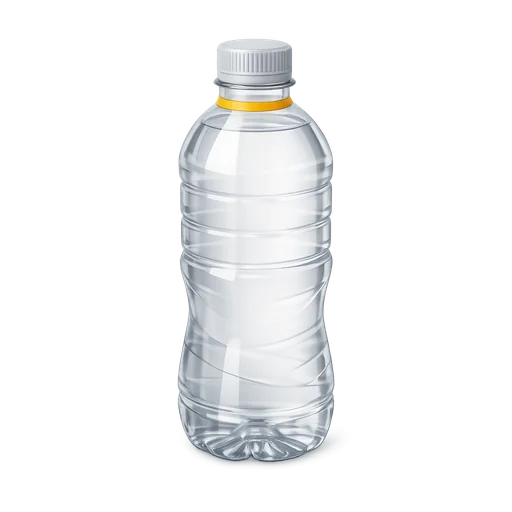
Water:
Turn off the main supply, drain outdoor pipes, and in the mountains, set the system to frost protection. A little water and a spoonful of oil in the drains stops evaporation and bad smells.

Appliances:
Empty, defrost, and clean fridge and freezer, leave doors ajar; drain washing machine and dishwasher, leave doors open; descale small appliances.

Textiles:
Wash all linen and store in airtight bags; cover mattresses with breathable protectors; bring outdoor cushions inside to dry storage.
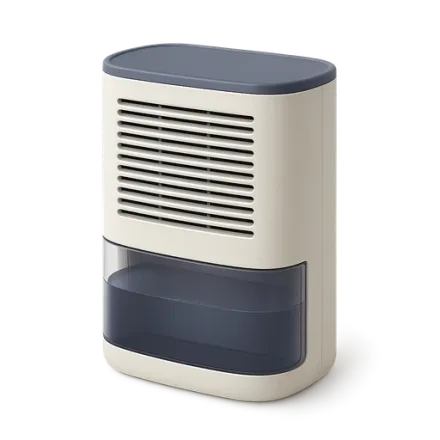
Humidity:
Moisture absorbers in every bathroom, or frost protection heating at 8, 10°C in damp climates, otherwise, expect mould and musty smells within weeks.
Energy and security:
Turn off water heater, close shutters, activate alarm. For energy-saving tips during vacancy, the ADEME guides are a useful reference.
Document this protocol in a separate “closure” checklist from your turnover list, with photos, essential if you manage the property remotely, a scenario we cover in Remote Cleaning Management for Short-Term Rentals.
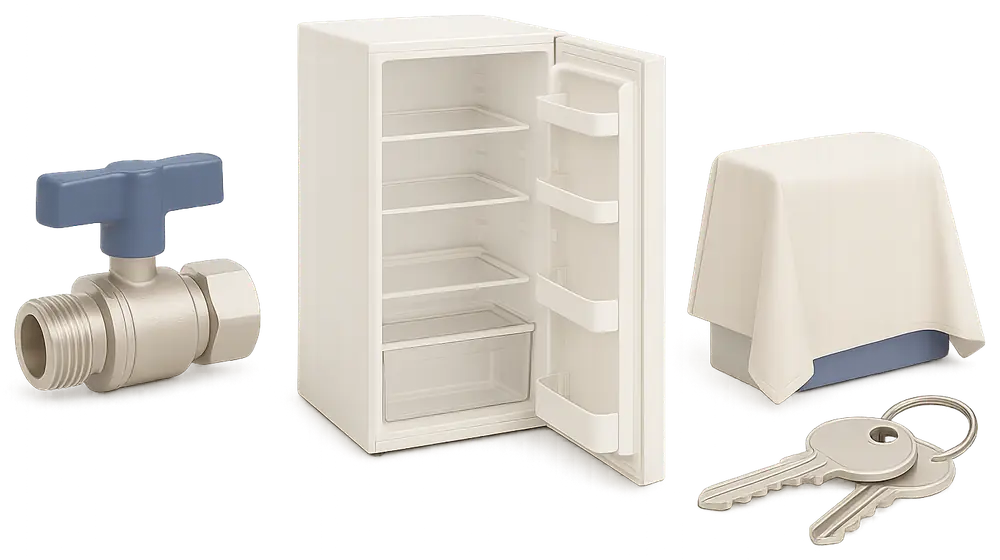
Reopening: the big post-winter clean
Allow half a day to a full day to reopen a house that’s been shut for months, never just a standard turnover clean. Schedule it at least a week before the first arrival, to allow for any nasty surprises (leaks, pests, equipment failure).
The efficient order: open all windows on arrival; turn water and electricity back on and run all taps for several minutes to flush out stagnant water; restart the water heater; test every appliance (wifi, TV, white goods, shutters); dust from top to bottom, wash surfaces, clean windows; make up beds with freshly laundered linen, never linen that’s sat in cupboards all winter; set up outdoor areas. Finish by restocking consumables, using a checklist like the one in our article Airbnb Consumables: Manage Your Stock Without Running Out, and photograph the property’s reference condition: these photos will be your comparison all season if there’s a dispute.
Managing seasonal cleaning remotely
Most holiday home owners live far from their property. Three principles make remote management reliable:
- A local team with a backup. In resorts, good cleaners are booked months ahead for high-season Saturdays. Secure a main contact and a backup. With an average occupancy rate of 63% in France (PriceLabs), concentrated into a few weeks in seasonal areas, every missed Saturday is lost income.
- Seasonal checklists. Summer turnover, winter turnover, closure, reopening: four separate lists, including points specific to your environment. A stand-in should be able to deliver the same quality as your main cleaner by following the list.
- Photo proof after every clean. If you’re 600km away, photo evidence is your only real quality control: beds made, entrance spotless, terrace tidy. It’s also your protection if there’s a complaint.
Finally, centralise cleaning scheduling: in season, with last-minute bookings, SMS rotas don’t work. Automatic syncing between your Airbnb/Booking calendars and your team’s schedule eliminates the risk of a missed clean on a Saturday in August, when no backup is available.
In summary
A successful holiday let relies on tailored protocols: turnovers adapted to your environment, closure, reopening, and a local team managed remotely with photo proof. That’s exactly what Cleanclac helps you orchestrate: iCal sync with Airbnb and Booking automatically schedules every clean for every booking, even last minute, and your seasonal checklists, validated by photos, guarantee a spotless home for every arrival, wherever you are.
Your questions
Should you charge higher cleaning fees for a holiday home?
Yes, it’s justified and common. Cleaning a holiday home takes longer (outdoor areas, specific dirt) and providers in resorts charge 15 to 30% more. In France, a house in a tourist area typically charges €80 to €200 per stay for cleaning. Stay in line with your local market.
How often should you do a deep clean in a holiday let?
At least twice a year: once at reopening and once at closure. In mountain lets with two seasons, add a deep clean at each off-season. In between, turnovers cover the basics, but not the tops of wardrobes, mattresses, seals, or deep appliance cleaning.
How can you limit sand without annoying guests?
Invest in kit that makes the right habits easy: outdoor shower with a friendly sign, large brush doormat, shoe tray and beach gear basket by the door. A short note in the welcome book is enough: banning sand is pointless, but channelling it to the entrance really cuts cleaning time.
What if the property is empty for several weeks between bookings?
Arrange an interim visit every 3 to 4 weeks: air the property, run taps, check humidity and for pests. Before the next booking, schedule a refresh clean (dust, airing, beds) even if there’s been no stay: a closed house still gets dirty.
Is winterisation needed if the property is occasionally let in winter?
No: if you still have bookings, keep the heating on low, leave the water on, and add winter points to your turnover protocol (entrance, fireplace, drying). Full winterisation is only needed for a firm closure of several months, with your calendar blocked on the platforms.
Who looks after the pool and garden: the cleaning team or a specialist?
Keep roles separate: water treatment and gardening to a specialist, visual checks and tidying to the cleaning team at each turnover (clean surroundings, furniture in place, pool alarm on). Set this out in writing to avoid grey areas where no one takes responsibility.

Written by Janik
Published on August 7, 2026 · Updated on August 12, 2026
Read next
 Organise your cleaning between bookings without stressCheck-out/check-in window, scheduling, multi-property prioritisation, plan B: the complete method to organise your Airbnb cleaning without stress.Managing turnovers
 Remote Cleaning Management for Short-Term RentalsNon-resident host? Local team, photo checks, iCal sync, handling the unexpected: the complete method for managing your Airbnb cleaning remotely.Managing turnovers
 Same-day turnover: how to nail same-day cleaningCheck-out at 11am, check-in at 3pm: flawless same-day turnover cleaning with precise timing, ready linen kit, team organisation and handling surprises.
Move from theory to practice.
One property free to put all of this in place, for as long as it takes.