

Key takeaways
• Starting an Airbnb cleaning business usually costs a few hundred to about $2,000: registration, insurance, supplies and basic marketing.
• Most turnover cleaners charge a flat rate per turnover, based on bedrooms and bathrooms.
• Turnover cleaning tends to pay better than regular house cleaning because of the deadline, laundry and restocking.
• What keeps clients long term is reliability, a room-by-room checklist and photo proof after every clean.
Contents
1. Is an Airbnb cleaning business worth it?
2. How do you set up your Airbnb cleaning business?
3. How much should you charge for Airbnb cleaning?
4. How do you win and keep Airbnb hosts as clients?
5. When should you hire your first cleaner?
6. Your questions
Every short-term rental host runs into the same wall sooner or later. The guest checks out at 11, the next one arrives at 3, and someone has to make the place look exactly like the listing photos in between.
Most hosts can't be that person every time, and they're willing to pay well for someone who can. That gap is what an Airbnb cleaning business fills.
We'll start with whether the model is worth your time, then walk through the setup, the pricing and, above all, what makes hosts stay with you season after season.
Is an Airbnb cleaning business worth it?
Why hosts pay more for turnover cleaning
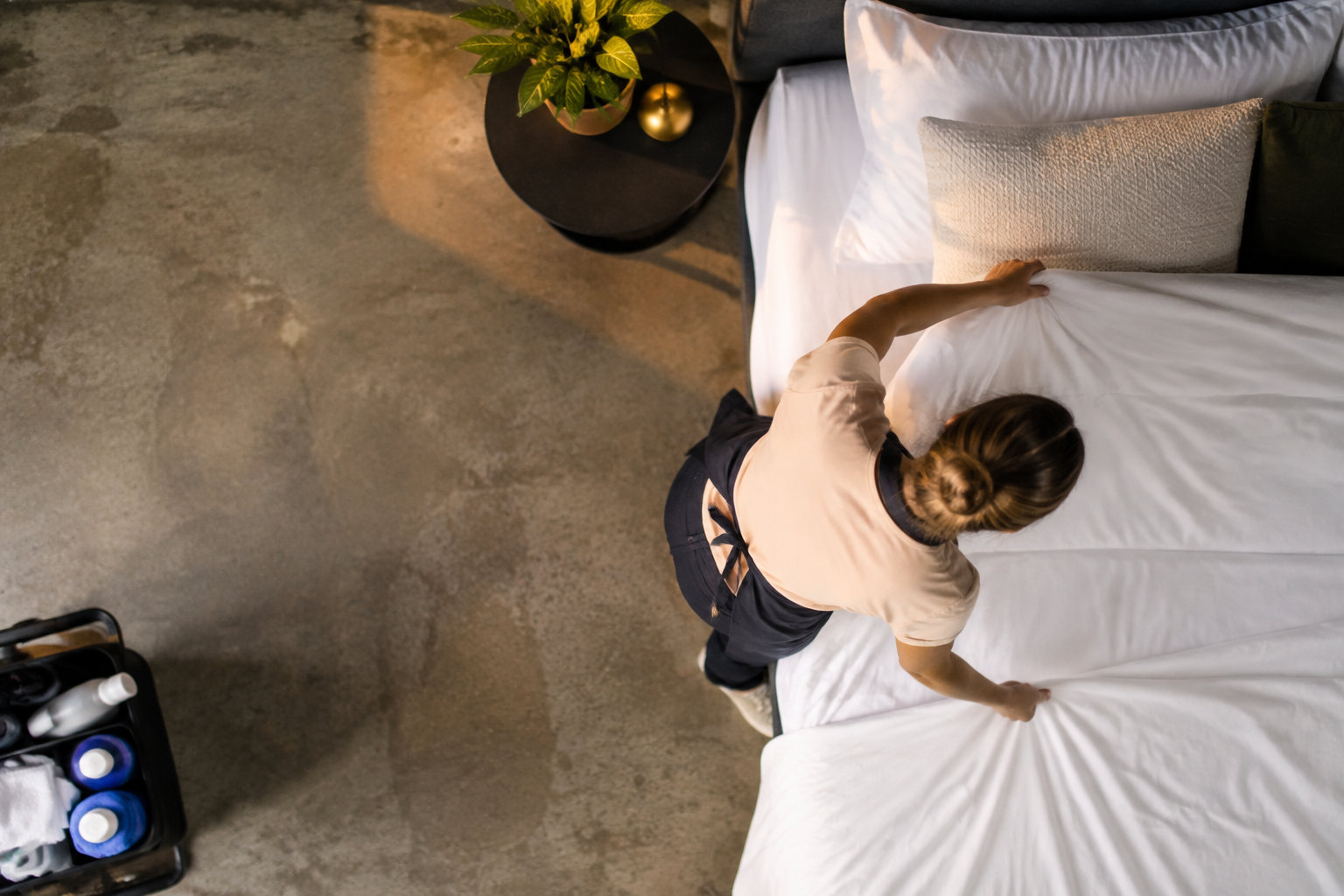
A turnover is a house clean with a deadline and an audience. You reset a home in a few hours, often on a Saturday, and the result is graded in public by a guest who paid for the stay.
On top of the cleaning itself, you handle:
• laundry
• staging
• restocking
• damage reports
That pressure is what lets reliable turnover cleaners charge more than residential cleaners. Hosts pay for the certainty that the next guest walks into a spotless, fully stocked home, and they pay a premium to stop worrying about it.
The downsides: seasonality and weekend peaks
The flip side is volatility. Demand follows the travel calendar, weekends carry most of the work, and same-day turnovers tend to pile up on the same Saturdays.
The businesses that last plan for it early, with a backup cleaner for peak weeks and enough cash set aside for the quiet months.
Starting solo before going bigger
This is also why most cleaning businesses that work start small. Before registering anything, you can start as a solo Airbnb cleaner, build a base of regular clients and formalize the business once you start turning work away.
How do you set up your Airbnb cleaning business?
Study your local market
Start with the numbers around you. Search Airbnb and Vrbo for the area you're willing to cover and count the active listings. Their cleaning fees give you a rough idea of what the local market pays per turnover.
Then look at who already does the job, from cleaning companies to solo cleaners posting in host Facebook groups.
What you want is enough listings to fill your week within a short drive, because every extra mile eats into your margin.
Choose a business structure
Once you know the demand is there, pick a structure. Many cleaners start as sole proprietors because it's quick to set up.
An LLC is the usual next step if you plan to:
• hire
• sign a written cleaning contract with property managers
• protect your personal assets
Rules vary by state, so check your Secretary of State's website or ask a local accountant. Either way, open a separate business bank account from day one.
Get licenses and insurance
Some cities and counties require a general business license, even for a one-person service, so check before your first paid job.
Insurance matters even more, because you'll be alone in other people's homes with their keys:
• General liability covers accidental damage.
• A janitorial bond reassures clients against theft claims.
• Workers' compensation becomes mandatory in most states once you have employees.
Many property managers ask for a certificate of insurance before they share a lockbox code, so having one ready also helps you close deals.
Buy your equipment and supplies
The kit itself is modest:
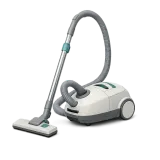
• a reliable vacuum
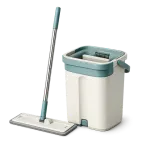
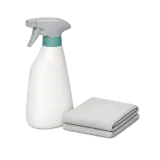
• microfiber cloths and a mop system
• all-purpose, bathroom and glass cleaners
• disinfectant, gloves and trash bags
• a caddy to carry it all
Add a lint roller and a handheld steamer. Guests notice pet hair and wrinkled duvets before anything else, and those two tools fix both in minutes.
Before your first paid turnover
The points to check for your business
- Are there enough listings to fill your week within a short drive?
Every extra mile eats into your margin. - Have you picked a structure and opened a separate business bank account?
Sole proprietor to start, an LLC once you hire or sign contracts with property managers. - Do you know whether your city or county requires a business license?
Check before your first paid job, even for a one-person service. - Is your general liability insurance in place, with a certificate ready to send?
Many property managers ask for one before they share a lockbox code. - Have you timed a few test cleans to set your flat rate?
Add travel, supplies and a margin for the turnover that goes wrong. - Is your kit complete, lint roller and handheld steamer included?
Guests notice pet hair and wrinkled duvets before anything else.
How much should you charge for Airbnb cleaning?
Flat rate per turnover or hourly?
Most Airbnb cleaners charge a flat rate per turnover, based on the number of bedrooms and bathrooms. Hosts like it because their costs are predictable.
It works in your favor too: the faster you get, the more you earn per hour.
To find your number:
1. Time yourself on a few test cleans.
2. Add travel, supplies and a margin for the turnover that goes wrong.
3. Compare the result with local cleaning fees on Airbnb.
Add-ons worth billing separately
This is the common pricing structure for Airbnb turnover cleaning. Amounts vary widely by market and property size.
|
Service |
How it's usually billed |
Tip |
|---|---|---|
|
Standard turnover |
Flat rate by bedrooms and bathrooms |
Time your first cleans before fixing the price |
|
Laundry and linen |
Per load or per bed |
Clarify whether you wash on site or take linens away |
|
Restocking consumables |
Supplies at cost plus a handling fee |
Agree on a list and a monthly cap with the host |
|
Deep cleaning |
Separate flat rate |
Schedule it every few weeks rather than on demand |
|
Same-day or last-minute job |
Rush surcharge |
State your notice period in writing |
How much can you earn?
A solo cleaner doing two or three turnovers a day, five days a week, can build a full-time income.
Once you add a team, your earnings come from the margin on each job. That makes tight scheduling and short drives more important than sheer volume.
Track your real hourly rate, travel and laundry included, rather than the price of a single job.
How do you win and keep Airbnb hosts as clients?
Find your first clients
With your prices set, you need hosts. The first ones usually come from three places:
• local host communities on Facebook, Reddit and neighborhood groups
• small property managers and concierge companies looking for extra hands in peak season
• direct outreach to hosts near you
Keep the pitch concrete. Name your area, your rate for a one-bedroom and your weekend availability, and attach photos of a recent turnover.
Build a turnover checklist per property
Keeping hosts comes down to consistency, and consistency starts with a written checklist.
Base yours on what an Airbnb housekeeper does between guests and write it room by room, covering cleaning, staging and restocking.
Then adapt it to each property: the sticky lock, the extra pillows, the kettle that needs descaling every month. Remembering those details is what makes a host stop looking elsewhere.
Prove your work after every clean
Most hosts never see your work in person. What they see is the guest's review, so give them something better: photos of every room at the end of each turnover.
Those photos protect both of you. If a guest claims the place was dirty, or reports damage that was already there, timestamped pictures settle it.
They are also the cleaning proof that counts in a damage claim, and a host who wins a dispute thanks to your photos rarely goes looking for another cleaner.
Get organized before you scale
Five clients can be managed by text message. Fifteen clients spread across Airbnb, Vrbo and Booking.com calendars can't, and that's usually when bookings start slipping through.
This is where cleaning software built for Airbnb turnovers pays for itself. CleanClac connects to your clients' booking calendars and turns every new reservation into a scheduled job, with no dates copied by hand.
On site, your team works from a free app that guides each cleaner room by room, with photo proof and stock tracking, in six languages.
When should you hire your first cleaner?
Signs it's time to hire
You'll know it's time when you:
• start turning down jobs
• work every weekend without a break
• realize that one sick day would leave a client without a turnover
At that point the business depends too much on you, and growing means sharing the load.
Recruiting and training
Hire for reliability first: technique can be taught, punctuality can't.
New hires should shadow you on several turnovers, then work from your checklists while you review their photos on their first solo jobs.
Employee or contractor?
Settle this before your first hire. The choice affects taxes, insurance and how much say you have over schedules and methods, so a short call with an accountant is time well spent.
Remember this: hosts pay more for turnover cleaning because of the deadline, and they stay for reliability, a checklist per property and photo proof after every clean.
Your next step: count the active listings within a short drive of you and note their cleaning fees, then time a test clean to set your first flat rate.
Your questions
Do I need a license to start an Airbnb cleaning business?
It depends on where you work. Many cities and counties require a general business license, and you'll need to register your business name, so check with your local government before taking paid jobs.
What insurance does an Airbnb cleaning business need?
At minimum, general liability insurance. A janitorial bond is strongly recommended, and workers' compensation is usually required once you have employees.
How much does it cost to start an Airbnb cleaning business?
Usually a few hundred to about $2,000. That covers registration, insurance, equipment, supplies and basic marketing, before any hiring.
Can I run an Airbnb cleaning business part-time?
Yes. Many cleaners start on weekends, when most turnovers happen, alongside another job. It's a good way to build clients before going full-time.
What's the difference between Airbnb cleaning and regular house cleaning?
Turnover cleaning runs on a tight deadline between guests and includes staging, laundry, restocking and damage reporting. Quality is judged by guests in public reviews, which is why hosts pay more for reliable turnover cleaners.

Written by Vanessa Friestedt
Vanessa Friestedt is the Sales Director of CleanClac. She works with short-term rental managers every day.
Published on November 17, 2026
Read next
 Organise your cleaning between bookings without stressCheck-out/check-in window, real durations, automatic scheduling, priorities, plan B: the method to organise your Airbnb cleaning between bookings.Managing turnovers
 Managing Your Rental Cleaning Remotely: The Complete GuideNon-resident host? Local team, self check-in, synced schedule, check-in and timestamped photos: the method for managing your cleaning remotely.Managing turnovers
 Same-day turnover: mastering same-day Airbnb cleaningCheck-out at 11am, check-in at 3pm: minute-by-minute timing, ready-to-use linen kit, team and backup plans to make every same-day Airbnb clean a success.
One property free to put all of this in place, for as long as it takes.