Deep Seasonal Cleaning for Short-Term Rentals
Deep seasonal cleaning for your short-term rental: room-by-room protocol, frequency, budgeting, outsourcing options and scheduling to stay organised.
After a busy season with 20 or 30 turnovers, no 60-minute clean can hide the truth: dust on the skirting boards, extractor hood filters clogged with grease, greying seals, mattresses never vacuumed, forgotten spaces under the sofa. These are the areas that generate reviews like “clean on the surface, but...”. Deep seasonal cleaning is the professional answer: a thorough, planned clean, scheduled 2 to 4 times a year, with a precise checklist, a blocked-out slot and full traceability. Here is the complete protocol, room by room, with recommended frequency, budgeting and outsourcing options.
Why deep seasonal cleaning is essential
Turnover cleaning is designed to be fast: beds, bathrooms, floors, visible surfaces. It doesn’t cover high-up areas, under furniture, or inside appliances. The deterioration is invisible week after week... until a guest moves the sofa. The stakes are directly financial: listings rated 5 stars for cleanliness are booked about 25% more often than others (Smoobu), and a cleanliness rating below 4.8 can cost you around 20% of bookings. Deep cleaning serves three purposes:
- Restore your property to the photo standard shown in your listing (the one the guest bought).
- Prevent costly problems: mould, ingrained odours, dust mites, appliances breaking down due to lack of maintenance.
- Inspect the property: the only time furniture is moved, ideal for spotting damage, damp or bed bugs, a health risk documented by Santé publique France.
How often and when should you schedule it?
The right frequency depends on your turnover rate:
- Very active property (100+ nights/year): a quarterly deep clean, so 4 times a year.
- Average or seasonal activity: twice a year, once before the high season and once just after.
- In all cases: one “heavy” annual deep clean including walls, light fittings, outdoor areas and minor repairs.
For timing, aim for the low season: with an average occupancy rate of around 63% in France (PriceLabs), most properties have natural gaps in November, January or March. Block out 1 to 2 nights in your host calendar as soon as you pick a date (see the detailed procedure in the Airbnb Help Centre): a proper deep clean takes half a day to a full day, and nothing is worse than a check-in arriving while the oven is in pieces. Pro tip: take advantage of a long stay or a late cancellation that’s already been compensated to fit in a deep clean without losing a sellable night.
The room-by-room protocol
Here’s the full framework, to adapt to your property. Each task is in addition to your standard turnover clean, for the basics, refer to your Complete Airbnb Cleaning Checklist: Never Miss a Spot.
Kitchen
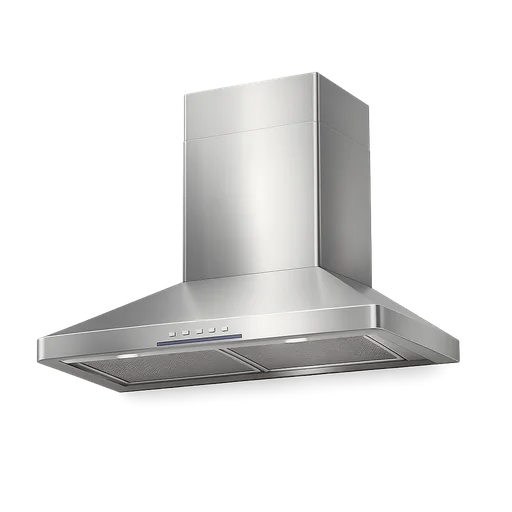
Degrease the extractor hood
Metal filters in the dishwasher, replace charcoal filters.
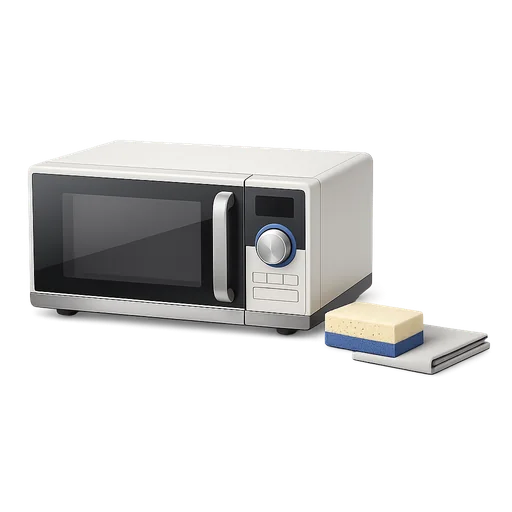
Oven and microwave deep clean
Sides, racks, door seals.
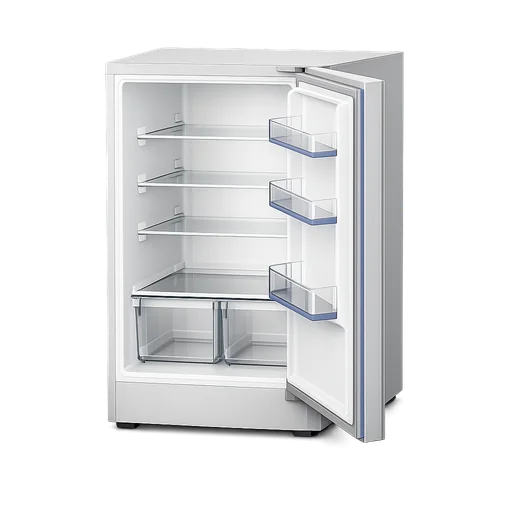
Fridge and freezer
Empty, defrost, wash shelves and seals, clean the rear grille, top and underneath the appliance.
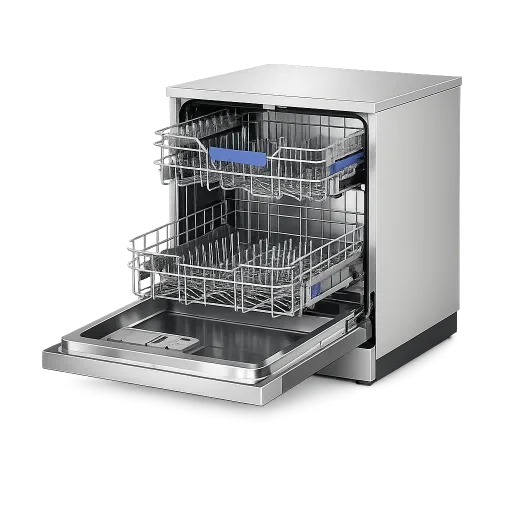
Dishwasher
Filter, spray arms, door seal, run an empty cycle with descaler.
Cupboards and drawers
Empty, vacuum, wash, throw away expired food.
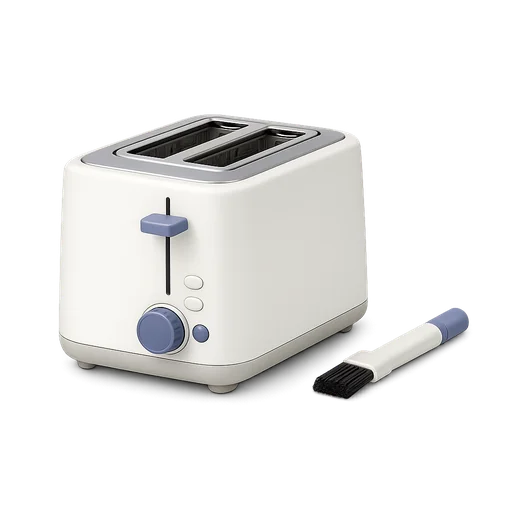
Small appliances
Descale kettle and coffee machine, a full protocol in our guide Descaling Appliances in Your Rental: The Guide.
Bathroom
Silicone and tile joints
Treat for mould, replace blackened seals.
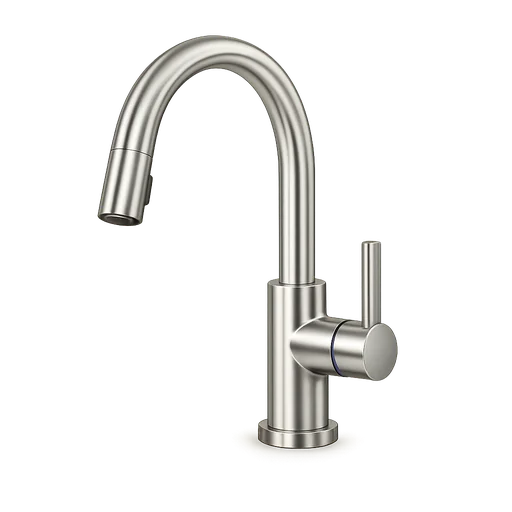
Shower head and taps
Full descaling (soak in white vinegar).
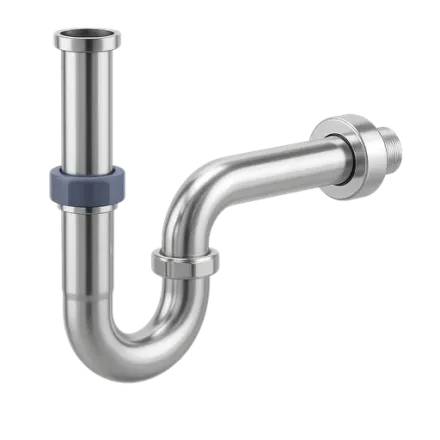
Traps and pipes
Mechanical cleaning, the main cause of bad smells.
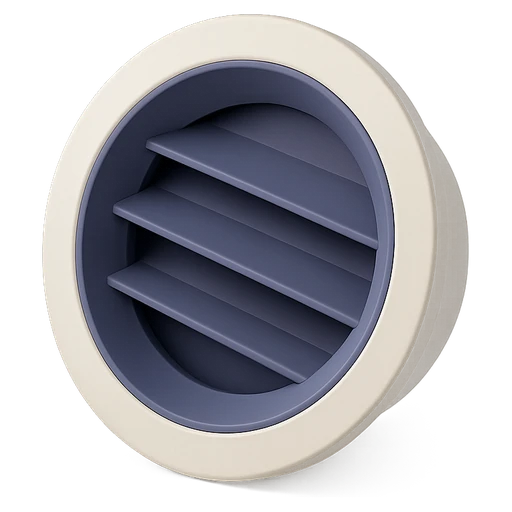
Extractor fan/vent grilles
Dusting, poor ventilation causes mould.
Shower curtain
Machine wash or replace (low cost, big impact).
Bedrooms
- Mattresses: vacuum both sides, spot clean, rotate head to foot. Bedding specialists recommend a deep mattress clean once a month (Lelit.fr), at minimum, do this with every deep clean.
- Under beds and behind headboards: vacuum, check for bed bugs (seams, base).
- Wardrobes and drawers: empty, vacuum, check hangers and forgotten items.
- Duvets, pillows, mattress toppers: full wash (see next section).
Living room and communal areas

Sofas
Remove and wash covers, vacuum under and behind, move the frame.
Rugs, curtains, carpets
Machine wash, dry cleaning or shampoo.
High-up areas
Tops of furniture, picture frames, light fittings, fan blades, skirting boards.
Windows inside and out
Window tracks, shutters.
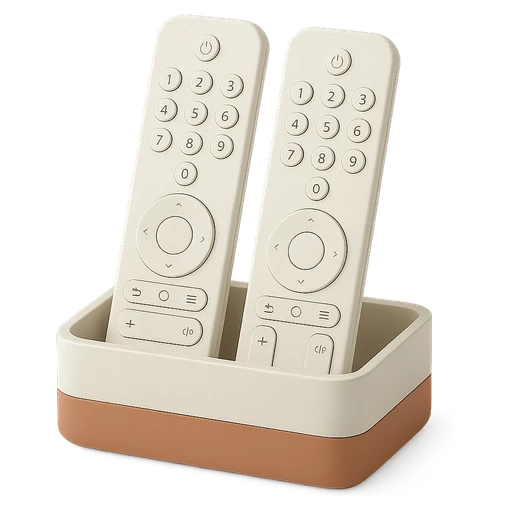
Remote controls, switches, handles
Full disinfection.
Outdoor areas and annexes
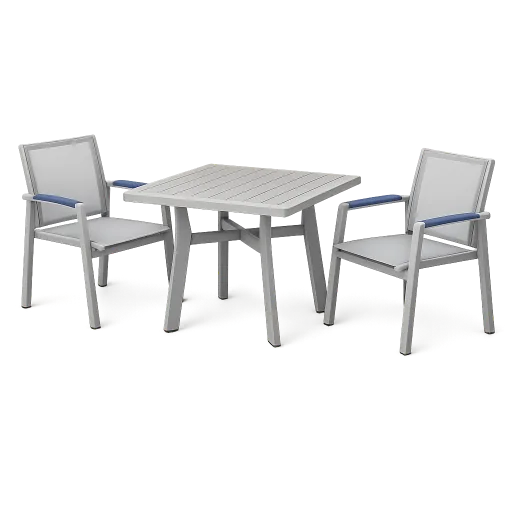
Terrace, balcony, garden furniture
Pressure wash or scrub, wash covers.
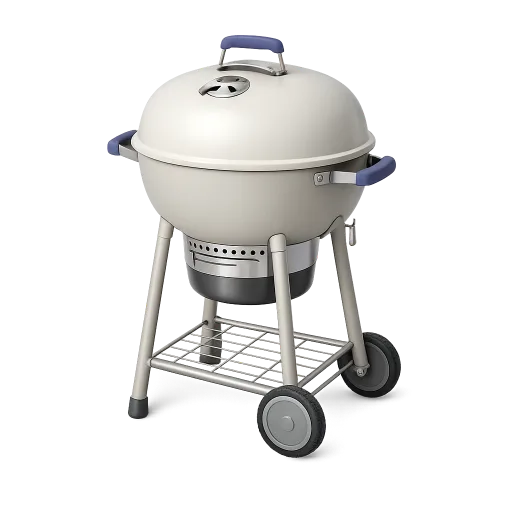
Barbecue and plancha
Thorough degreasing.
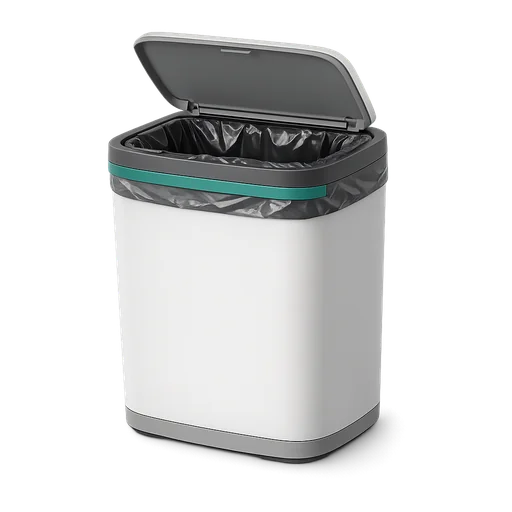
Bin store, cellar, laundry room
Disinfect, sort, check consumables inventory.
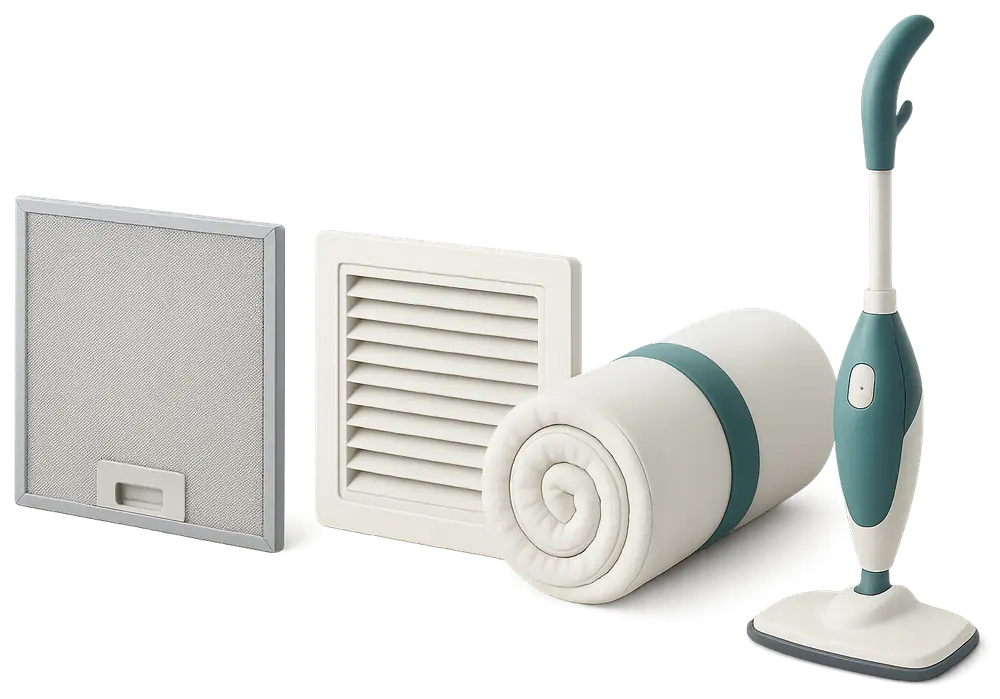
Bedding and textiles: the heart of deep cleaning
This is the most sensitive area for guests, and the most neglected. Hotel standards set the pace: duvets and pillows washed once a month, mattress toppers once a quarter (Direct Hôtellerie). Deep cleaning is the perfect time to:
- Wash duvets, pillows and mattress toppers at 60°C (the temperature that kills dust mites and bacteria), or take them to the dry cleaner.
- Audit your linen: faded sheets, rough towels, a bath towel is typically replaced every 1 to 3 years (Sleepzen). Be ruthless: tired linen shows up in reviews.
- Check mattress and pillow protectors on every bed: this is the best insurance for your mattresses. For stain and dust mite treatment, follow our detailed method in Cleaning a Rental Mattress: Stains, Odours, Dust Mites.
Products, equipment and safety
Deep cleaning uses stronger products than turnover cleans: oven degreaser, mould remover, powerful descaler. Three rules:
- Never mix bleach and acidic descaler (toxic fumes): the ANSES documents the chemical risks of cleaning products and reminds you of safety precautions (gloves, ventilation, correct dosages).
- Stick to effective basics: white vinegar, bicarbonate of soda, black soap and steam cover 80% of tasks, at minimal cost, ADEME provides reliable guidance on eco-friendly home care.
- Budget for this: as a professional benchmark, cleaning products for an 80m² property cost about €1,000 to €1,200 per year excluding consumables (L'Hôtellerie Restauration); for short-term lets, you’ll spend a fraction of this, but set aside a dedicated budget (specialist products + replacements: shower curtain, filters, seals).
Take the opportunity to test smoke and carbon monoxide alarms, replace batteries and check bulbs: deep cleaning is your maintenance appointment.
DIY or outsource?
The calculation is simple: a full deep clean takes 4 to 8 hours’ work for a 1- or 2-bedroom flat, more for a large house. Three options:
- Do it yourselfCost-effective if you’re local, as long as you follow a written checklist, you’ll always forget the same areas if you rely on memory.
- Your regular cleaner, on a longer shiftOften the best option. They know the property; pay by the hour (expect £25 to £40/hour via an agency, about £20/hour for direct employment, according to Travaux.com), with a pre-agreed task list.
- A specialist companyUseful for technical jobs (carpet shampooing, high windows, pressure washing) or after an incident (water damage, smoking).
Classic mistake: asking for a “deep clean” without a list. Without a written protocol, everyone has a different idea of “deep”, and you’ll pay for hours without knowing what’s been done. Provide the checklist, insist on a report.
Organise, track, repeat: the method that lasts
A one-off deep clean is pointless if it’s not systematic. The method used by professional management companies has four pillars:
- A dedicated “deep clean” checklist, separate from the turnover list, organised room by room with frequencies (quarterly / twice a year / annual).
- Blocked-out slots in your calendar at the start of the season, synced with your booking calendars.
- End-of-clean photos of areas not visible day-to-day (extractor filter, under the bed, renewed seals): your proof of work, invaluable in case of dispute.
- A logbook for each property: date, cleaner, tasks done, issues found (leak, seal, mattress to replace).
This traceability turns deep cleaning from a last-minute chore into a repeatable process that protects your cleanliness ratings for the long term.
Your questions
How often should you do a deep clean in a short-term rental?
The professional standard is quarterly for high-turnover properties (about 100 nights or more per year), and at least twice a year for others: once before the high season, once after. Add one “heavy” annual deep clean including walls, light fittings, outdoor areas and a full audit of linen and bedding.
How much time should you allow for a deep clean?
Allow 4 to 6 hours for a studio or 1-bed, 6 to 8 hours for a 2-bed, and a full day (or two people) for a large house. That’s 4 to 5 times the duration of a standard turnover clean. Block out one or two nights in your booking calendar to work without check-in pressure.
How much does it cost to outsource a deep clean?
With your regular cleaner paid by the hour, expect about £20/hour for direct employment and £25 to £40/hour via an agency, so £100 to £250 for a flat depending on duration. A specialist company (carpets, high windows, pressure washing) usually charges a fixed fee, often between £150 and £400 depending on size and services.
Which tasks are most often forgotten?
Extractor and dishwasher filters, the rear grille of the fridge, extractor fan grilles, under and behind heavy furniture, fan blades, window tracks, headboards and skirting boards. These are exactly the areas a turnover clean never covers, hence the need for a dedicated checklist.
Should you close the property during a deep clean?
Yes: block the dates on all your platforms before scheduling the clean. A deep clean temporarily makes the property unusable (appliances dismantled, textiles being washed, products in action). One or two nights blocked in low season cost far less than a negative review from a guest arriving in the middle of the job.

Written by Janik
Published on August 7, 2026 · Updated on August 12, 2026
Read next
 Complete Airbnb Cleaning Checklist: Never Miss a SpotRoom-by-room Airbnb cleaning checklist: optimal order, commonly missed spots, final checks. The method for a spotless property at every turnover.Cleaning tips
 Clean an Airbnb in 1 Hour Flat: The MethodMinute-by-minute method to clean an Airbnb in 1 hour: room order, equipment, timing per area and pro tips to keep to the clock.Cleaning tips
 15 essential cleaning products for short-term rentalsComplete cleaning kit for your Airbnb: the 15 must-have products, their specific uses, annual budget, and where to store them in your property.
Move from theory to practice.
One property free to put all of this in place, for as long as it takes.